
NVMe vs. SATA: The Ultimate and Powerful Guide to Key Differences in 2025

1. Why Understanding Storage Interfaces is Critical for Business Growth in 2025
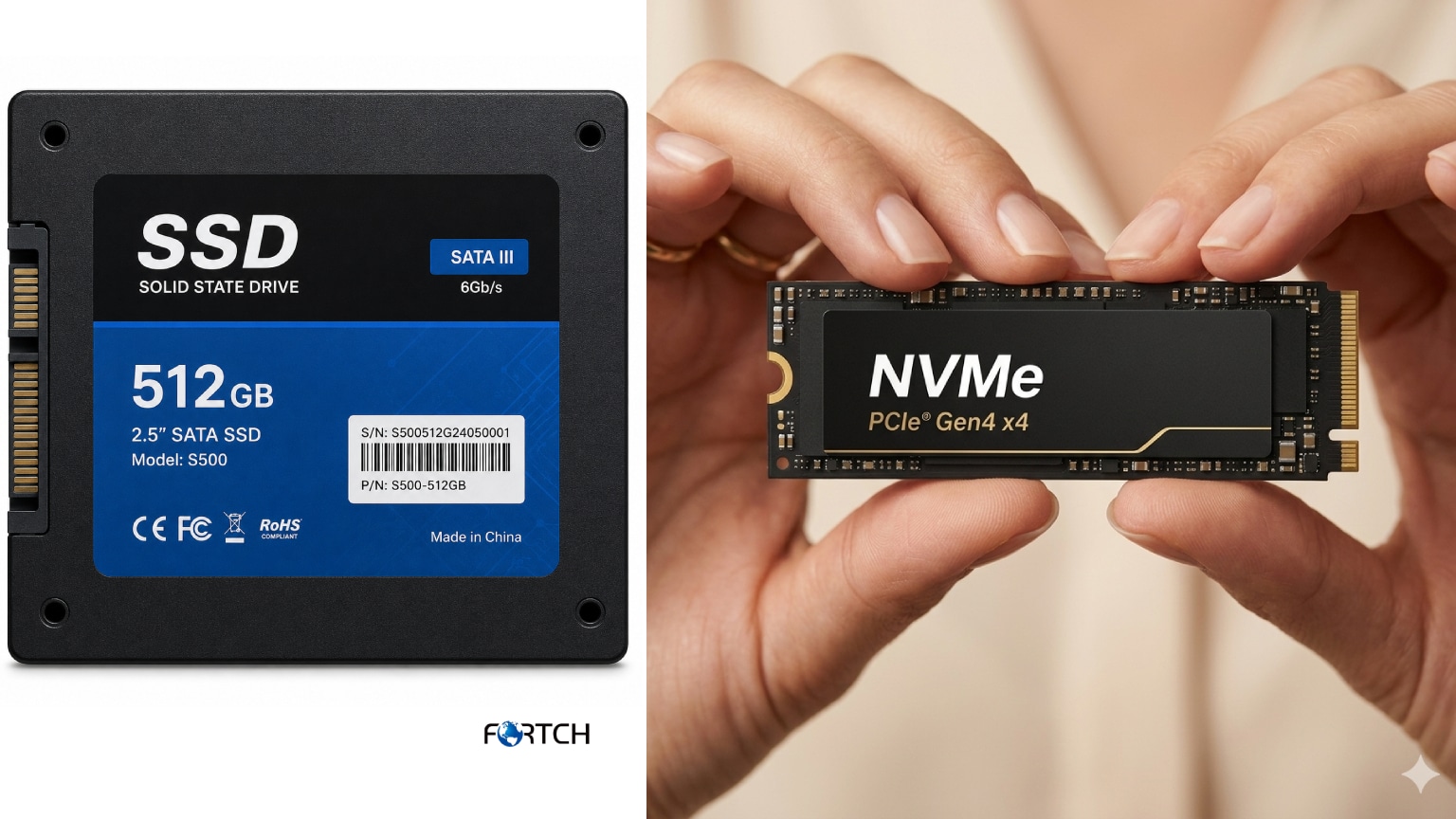
The storage landscape in 2025 has evolved beyond simple capacity measurements, shifting focus toward interface bandwidth and latency reduction. For businesses involved in wholesale and system integration, recognizing the distinction between legacy SATA and modern NVMe protocols is no longer optional. The choice of an nvme ssd over traditional SATA directly impacts end-user satisfaction, system responsiveness, and the ability to future-proof inventory. As software requirements become more demanding, the bottleneck created by older storage technologies becomes a critical liability for high-performance computing environments.
Modern enterprises and PC builders are prioritizing speed and efficiency, driving a massive market shift towards Non-Volatile Memory Express technology. An m 2 ssd utilizing the NVMe protocol offers significantly higher throughput compared to SATA counterparts, translating to faster boot times and rapid data access. This evolution necessitates that wholesale buyers adjust their procurement strategies to align with the velocity of current technological advancements. Stocking legacy SATA drives without a clear, cost-conscious strategy may result in obsolete inventory that fails to meet the performance expectations of the contemporary market.
The financial implications of this technological transition are profound, affecting not only unit pricing but also total cost of ownership. While nvme ssd units traditionally commanded a premium, 2025 market trends show a price convergence that makes them the superior choice for nearly all budget segments. Wholesale distributors must analyze how this price parity affects their margins and the value proposition they offer to their clients. Investing in high-speed NVMe inventory allows resellers to upsell performance without drastically increasing costs, thereby maximizing profitability across the supply chain.
Furthermore, the physical form factor has shifted, with the m 2 ssd becoming the standard for compact and powerful computing solutions. This transition supports the ongoing miniaturization of devices, from ultra-thin laptops to embedded industrial systems. For B2B buyers, understanding the mechanical compatibility of these drives is essential to minimize return rates and ensure customer satisfaction. By mastering the nuances of these interfaces, businesses can better advise their clients, ensuring that every integration project leverages the full potential of modern storage architecture.
1.1 How the Underlying Protocol Structures Affect Speed
The fundamental difference between NVMe and SATA lies in their communication protocols, which dictate how data flows between the storage drive and the system’s CPU. SATA was designed during an era of mechanical hard drives, utilizing the AHCI protocol, which introduces significant overhead due to its command structure. In contrast, an nvme ssd is built specifically for flash memory, utilizing a streamlined command set that allows for parallel processing of data. This architectural difference means that NVMe can handle thousands of commands simultaneously, whereas SATA is limited to a single serial queue, drastically limiting throughput in multi-threaded environments.
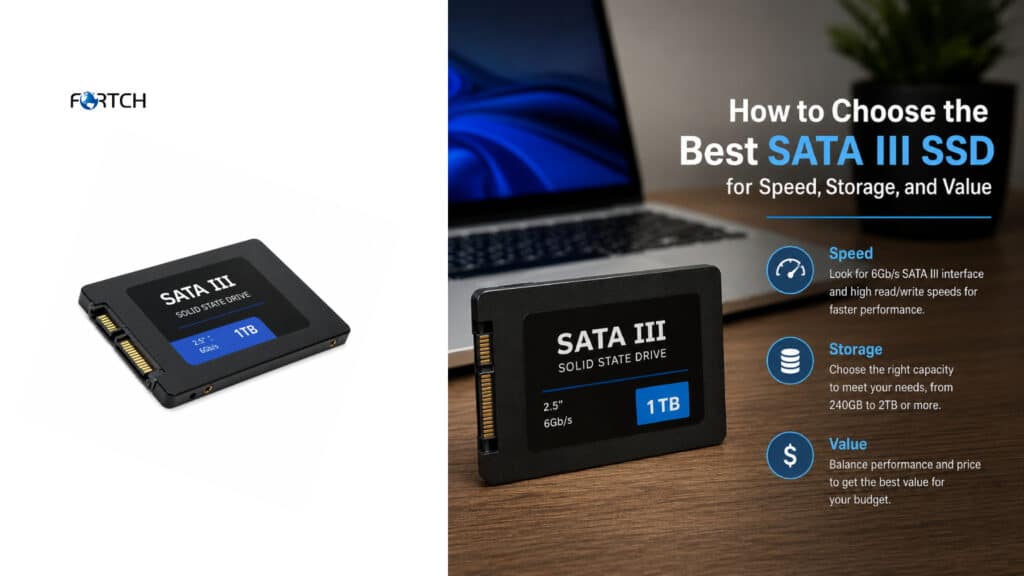
The bandwidth limitations of SATA III are capped at 600 MB/s, a ceiling that was adequate years ago but is now a significant constraint for modern workloads. Conversely, the PCIe lanes used by modern m 2 ssd devices allow for data transfer speeds starting at 3,500 MB/s for Gen 3 and exceeding 7,000 MB/s for Gen 4, with Gen 5 pushing boundaries even further in 2025. For wholesale buyers, this means that stocking SATA drives limits the potential performance of the systems they support. Businesses dealing in high-performance computing, video editing, or gaming require the bandwidth that only NVMe can provide, making SATA a niche solution for archiving or basic boot drives.
Latency, or the delay before a transfer of data begins following an instruction for its transfer, is another critical metric where these protocols diverge. The high overhead of the AHCI protocol used by SATA results in higher latency, which can cause micro-stutters in operating systems and applications. An nvme ssd drastically reduces this lag, ensuring that system responsiveness is instantaneous and fluid. In a B2B context, where productivity directly correlates with system speed, providing components that minimize latency is key to maintaining a reputation for quality and reliability. Clients expect seamless performance, and the underlying protocol is the engine that delivers this experience.
Scalability is the final piece of the protocol puzzle, particularly for enterprise clients and server environments. As data centers expand, the ability to scale storage performance without increasing physical footprint is paramount. NVMe technology allows for high-density storage arrays that do not choke on bandwidth, whereas SATA-based arrays quickly saturate the available interface bandwidth. For wholesalers serving the enterprise sector, emphasizing the scalability of m 2 ssd solutions is a powerful selling point. It assures clients that their infrastructure can grow without requiring a complete overhaul of the storage architecture, protecting their long-term investment.
1.2 Which Interface Offers Better Scalability for Bulk Storage
When considering bulk storage procurement, the scalability of the chosen interface determines the longevity and flexibility of the deployed systems. SATA drives, while reliable, are restricted by their physical connector and interface speed, limiting their use in scalable, high-density server environments. As businesses generate more data, the limitation of SATA III bandwidth becomes a choke point, requiring more drives to achieve the throughput of fewer nvme ssd units. This physical increase in drive count adds complexity to cooling and power management, inadvertently increasing operational costs for end-users. Therefore, for forward-thinking wholesalers, promoting NVMe over SATA is a strategic move to offer more scalable solutions.
The rise of the m 2 ssd form factor complements the scalability of NVMe by allowing for higher drive density on a single motherboard. Modern motherboards and server backplanes are increasingly designed with multiple M.2 slots specifically to leverage the compact size and high speed of NVMe drives. This design philosophy enables system builders to create powerful, storage-dense machines in smaller chassis, which is a growing trend in both enterprise and consumer markets. B2B buyers must recognize that this form factor advantage simplifies logistics, as one standardized component type can serve a variety of use cases, from high-end workstations to compact servers.
Power efficiency is another dimension of scalability that favors NVMe in 2025. Because an nvme ssd completes data transfer tasks significantly faster than SATA, it can return to low-power states more quickly. Over thousands of units in a data center or a large-scale deployment, this efficiency translates to substantial energy savings and reduced thermal output. For wholesale clients managing tight margins on operational expenses, the energy efficiency of NVMe components is a compelling value-add. It allows them to market their systems as not only faster but also more environmentally friendly and cheaper to run, aligning with corporate sustainability goals.
Furthermore, the supply chain for NVMe components has matured, making bulk procurement of m 2 ssd units easier and more cost-effective than ever. Manufacturers have prioritized NVMe production lines, phasing out SATA development, which ensures better availability for bulk orders. This shift in manufacturing focus means that wholesalers can secure larger quantities of NVMe drives with shorter lead times. Consequently, aligning inventory with NVMe technology ensures that suppliers are not caught short-handed as the industry fully transitions away from legacy interfaces, securing a stable supply chain for future growth.
1.3 Why Latency Reduction Matters for Enterprise Workloads
In the realm of enterprise computing, latency is often the silent killer of productivity, causing delays that compound across large networks of users. High latency in storage subsystems can render even the most powerful CPUs ineffective as they wait for data to be retrieved or written. An nvme ssd addresses this by minimizing the delay between the request for data and the delivery of that data. For businesses running databases, virtualization environments, or high-frequency trading platforms, this microsecond-level reduction is not merely a convenience; it is a competitive necessity that dictates the responsiveness of their critical applications.
The impact of reduced latency extends directly to the user experience, particularly in virtualized desktop infrastructures (VDI) where multiple users access resources from a single server. Utilizing SATA drives in such environments often results in “boot storms” or application lag when multiple users request data simultaneously. By switching to m 2 ssd technology, the IOPS (Input/Output Operations Per Second) capabilities skyrocket, ensuring that concurrent access does not degrade performance. Wholesalers catering to the corporate IT sector must emphasize this capability, as it provides a tangible upgrade path for clients looking to modernize their VDI or cloud infrastructure without necessarily expanding their server count.
Artificial Intelligence and Machine Learning (AI/ML) workloads, which are projected to dominate enterprise resource consumption by 2026, are particularly sensitive to storage latency. Training models requires feeding massive datasets to GPUs at high speeds, a task that SATA drives simply cannot keep up with. The high bandwidth and low latency of an nvme ssd ensure that the data pipeline remains open, preventing the costly idle time of expensive compute resources. For B2B sellers, positioning NVMe drives as the foundational component for AI readiness creates a strong narrative for modernization, appealing to enterprises looking to invest in future-proof technologies.
Finally, latency reduction correlates directly with customer satisfaction in service-oriented industries such as e-commerce and banking. When database queries execute instantly due to superior storage performance, website load times decrease, and transaction processing accelerates. Studies show that milliseconds of delay can result in significant drops in conversion rates, meaning that storage performance directly influences revenue. By supplying high-performance m 2 ssd products, wholesalers enable their clients to deliver the snappy, responsive digital experiences that modern consumers demand. This connection between hardware specs and business outcomes strengthens the B2B relationship, moving the conversation from price to value and return on investment.
2. How 2025 Market Trends Influence NVMe and SATA Adoption
The year 2025 marks a definitive tipping point where the production volume of NVMe drives has overwhelmingly surpassed that of SATA, fundamentally altering supply chain dynamics. Market analysis indicates that the cost per gigabyte for an nvme ssd has reached a level that is virtually indistinguishable from SATA, rendering the older technology largely redundant for primary storage roles. This price parity is driven by the economies of scale in NAND flash production, which is now overwhelmingly optimized for PCIe interfaces. For wholesale buyers, this trend signifies that stocking SATA drives without a specific, low-budget niche strategy risks inventory stagnation, as the market naturally gravitates towards the superior performance of NVMe.
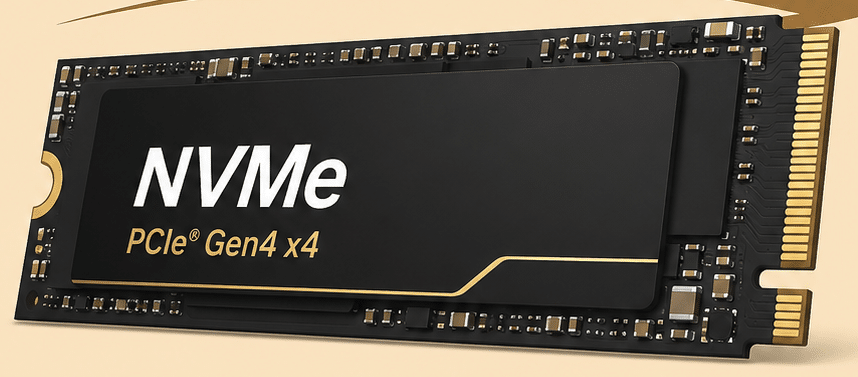
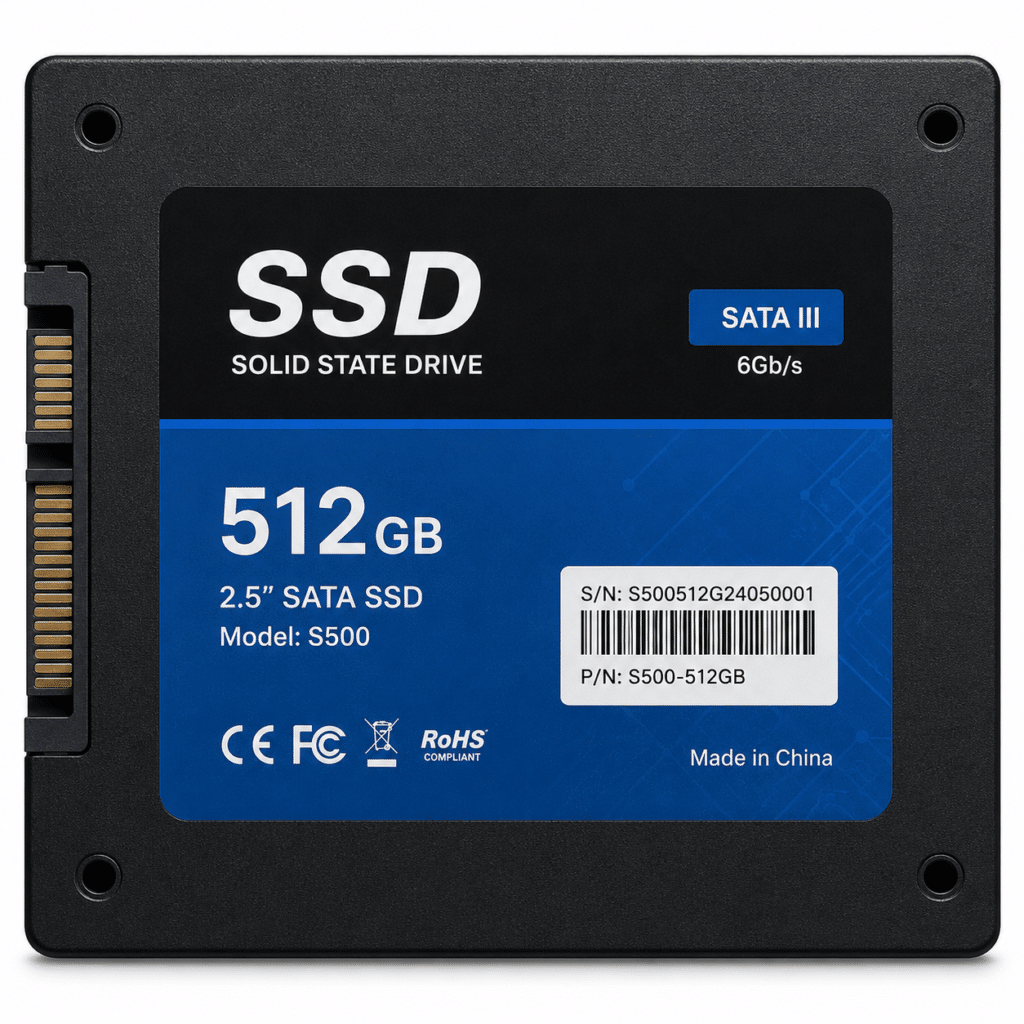
Consumer expectations have evolved, with speed becoming a baseline requirement rather than a luxury feature. Even in budget laptops and office desktops, end-users now expect the near-instant boot times and application loading speeds that only an m 2 ssd can provide. This shift in demand has forced system integrators and OEMs to adopt NVMe as the standard configuration across all product tiers. Consequently, B2B procurement managers are increasingly finding that demand for SATA 2.5-inch drives is shrinking to a specific segment of industrial and legacy repair markets. Aligning inventory with this demand shift is crucial for maintaining turnover rates and maximizing the relevance of product offerings in a competitive marketplace.
The rise of remote work and digital collaboration tools further fuels the demand for high-speed storage, as local file synchronization and cloud access require robust I/O performance. An nvme ssd ensures that large files, such as 4K video assets or complex engineering schematics, are handled with ease, facilitating the workflows of a distributed workforce. In contrast, SATA drives often become the bottleneck in these scenarios, causing frustration and reducing productivity. Wholesalers serving the business sector must highlight how NVMe technology empowers the modern, hybrid workplace, making their product offerings essential components of the remote work infrastructure rather than just simple commodities.
Additionally, the secondary use case for storage—specifically caching and tiering—is heavily influenced by these market trends. Enterprises are increasingly utilizing NVMe as a cache layer in front of larger, slower storage arrays to accelerate data access. This architectural trend creates a sustained, high-volume demand for m 2 ssd units in data center environments. For distributors, this represents a significant opportunity to supply enterprise-grade NVMe solutions to a market that is perpetually hungry for performance acceleration. Understanding these architectural shifts allows wholesalers to segment their customers effectively and target high-value enterprise accounts with specific, performance-oriented storage solutions.
2.1 Why the Shift to PCIe Gen 4 and Gen 5 is Accelerating
The transition from PCIe Gen 3 to Gen 4 and now Gen 5 is not merely a speed bump but a complete overhaul of the data highway, enabling unprecedented performance levels for storage devices. PCIe Gen 4, now standard in mid-range to high-end systems, doubles the bandwidth available to an nvme ssd compared to its predecessor, pushing read speeds beyond the 7,000 MB/s mark. This acceleration is largely driven by the data-intensive requirements of next-generation gaming, 8K video editing, and real-time data analytics. For wholesalers, the rapid adoption of Gen 4 means that Gen 3 inventory, while still serviceable, is increasingly viewed as entry-level, necessitating a careful balance of stock to cater to different performance tiers.
By 2025, PCIe Gen 5 is beginning to enter the mainstream enterprise and enthusiast markets, boasting speeds that exceed 14,000 MB/s. While the practical benefits of such extreme speeds are currently niche, the technology serves as a powerful marketing tool and a future-proofing measure for high-end workstations. The introduction of Gen 5 drives often requires advanced thermal management solutions, such as active cooling heatsinks, which opens new avenues for accessory sales. B2B buyers should be aware that stocking these cutting-edge m 2 ssd units positions them as innovation leaders, attracting clients who demand the absolute latest technology regardless of cost.
The manufacturing ecosystem has fully aligned with this generational shift, with controller designers and NAND flash producers optimizing their components for Gen 4 and Gen 5 signaling. This alignment means that the reliability and endurance of newer nvme ssd drives are often superior to older generations, even when operating at peak performance. For wholesale clients, this implies that the total cost of ownership may actually be lower with newer technology due to reduced failure rates and longer warranties. Emphasizing the engineering advancements in newer PCIe generations helps justify the premium pricing to value-focused buyers who might otherwise stick with legacy technology.
Moreover, the ecosystem surrounding these high-speed interfaces, including motherboards and CPUs, has standardized on Gen 4 as the baseline. This standardization reduces the complexity of system integration for manufacturers, as they no longer need to accommodate a wide variety of aging interface standards. For the wholesale market, this uniformity simplifies product lines and reduces the risk of compatibility issues. Ensuring that the inventory of m 2 ssd products is predominantly Gen 4 and ready for Gen 5 adoption secures a supply chain that is in lockstep with the broader hardware industry, minimizing returns and maximizing compatibility.
2.2 Which Sectors Are Driving the Demand for High-Speed M 2 SSD Units
The gaming industry remains one of the most visible drivers for high-speed storage, with modern consoles and gaming PCs relying heavily on the nvme ssd for texture streaming and asset loading. Games developed in 2025 are built with the assumption that ultra-fast storage is present, meaning that using a SATA drive can result in stuttering gameplay and long loading screens. This demand extends beyond just the drives themselves to include customized, branded storage solutions for gaming PC builders. Wholesalers targeting the gaming peripherals market can leverage this demand by offering high-performance, aesthetically pleasing m 2 ssd units with heat spreaders that appeal to the enthusiast aesthetic.
The professional video and photography sectors are also major consumers of NVMe technology, as 4K, 8K, and 3D workflows generate massive data files that require rapid transfer speeds. Creative professionals prioritize time above all else, and an nvme ssd drastically reduces the time spent waiting for footage to render or copy to backup drives. In this sector, reliability and speed are non-negotiable, creating a demand for enterprise-grade NVMe drives that offer higher endurance ratings. B2B suppliers focusing on the content creation market must stock drives that are rated for sustained write workloads, as these professionals often write terabytes of data daily without pause.
Artificial Intelligence (AI) and Machine Learning (ML) sectors are experiencing explosive growth in 2025, driving a demand for storage that can keep up with massive datasets. Training AI models involves reading and writing random chunks of data at high speeds, a task perfectly suited for the parallel architecture of NVMe. Furthermore, the deployment of AI at the edge, such as in autonomous vehicles or smart city infrastructure, requires rugged, compact m 2 ssd solutions that can operate in varying temperatures. Wholesalers who identify and cater to this industrial AI sector can secure lucrative contracts for specialized storage solutions that differ significantly from standard consumer drives.
Finally, the healthcare industry, driven by the digitization of medical records and the rise of high-resolution medical imaging, requires fast, reliable storage to ensure patient data is instantly accessible. Medical imaging files, such as MRI and CT scans, are enormous, and delays in retrieving them can impact patient care. An nvme ssd provides the necessary throughput to ensure that medical personnel can access critical data without delay. For B2B distributors, the healthcare sector offers a stable, compliance-driven market where performance and reliability are paramount. Supplying certified, high-performance storage to medical device manufacturers and IT integrators within healthcare creates a specialized and high-value revenue stream.
2.3 How 2026 Projections Impact Wholesale Procurement Strategies
Looking ahead to 2026, industry projections indicate that SATA will likely be relegated to strictly industrial embedding and deep archival applications, with less than 10% of the consumer market share. This prediction suggests that wholesalers should begin aggressively tapering their investments in SATA production lines and focus capital on nvme ssd inventory. Waiting until 2026 to make this shift could result in holding obsolete stock that must be sold at a loss. Proactive procurement strategies that phase out SATA in favor of NVMe will protect margins and ensure that the business remains relevant as the industry completes its transition to flash-based interfaces.
Price projections for NAND flash suggest a continued decline in cost per terabyte, making high-capacity m 2 ssd units more affordable for the mass market. This trend implies that demand for smaller capacities (e.g., 256GB) will plummet as 1TB and 2TB become the new standard. Wholesale buyers should adjust their inventory profiles to reflect this shift, prioritizing higher capacity drives to meet the growing demand for storage space in gaming and media consumption. By forecasting this capacity creep, distributors can negotiate better bulk pricing for higher-density drives, offering their clients more value while maintaining healthy profit margins.
The integration of storage directly onto motherboards, known as “Storage on the Edge,” is a trend expected to gain traction by 2026, particularly in the laptop and tablet markets. While this might seem to threaten the standalone SSD market, it actually increases the demand for high-quality nvme ssd components sold directly to OEM manufacturers. Wholesalers should explore B2B opportunities to supply components directly to device manufacturers rather than focusing solely on the retail replacement channel. Building relationships with OEMs requires a deep understanding of supply chain logistics and the ability to provide customized storage solutions that meet specific thermal and physical constraints.
Furthermore, 2026 projections highlight a significant push towards sustainability and energy efficiency in data centers. Regulations regarding power consumption are expected to tighten, favoring storage technologies that offer the best performance-per-watt ratio. An nvme ssd inherently offers better energy efficiency than SATA due to its ability to complete tasks quickly and enter low-power states. Wholesalers can future-proof their sales pitch by emphasizing the green credentials of their NVMe products, aligning with the ESG (Environmental, Social, and Governance) goals of large corporate clients. positioning NVMe as the eco-friendly choice provides a competitive edge in a market that is increasingly conscious of environmental impact.
3. Why Customization and Wholesale Solutions Define the Best Choice
In a commoditized market like storage, differentiation through customization and wholesale flexibility is the primary driver of B2B success. Standard, off-the-shelf drives often fail to meet the specific branding, firmware, or physical requirements of specialized projects. By offering customized nvme ssd solutions, wholesalers can unlock higher margins and foster deeper, stickier relationships with their clients. Whether it is a specific color scheme for a gaming build or a customized firmware for an industrial server, the ability to tailor the product to the client’s needs transforms a simple component sale into a value-added partnership.
Branding is a powerful tool for system integrators and resellers who want to build their own identity in the market. A wholesale provider who offers custom logo printing or laser etching on the housing of an m 2 ssd enables these clients to market the product as their own. This “white label” capability is highly sought after, as it allows smaller assemblers to compete with major brands without the overhead of in-house manufacturing. For the wholesaler, this service creates a dependency that secures long-term contracts, as the client is unlikely to switch to a competitor who cannot offer the same level of brand customization and personalized service.
Technical customization extends beyond aesthetics, delving into the firmware and hardware configuration of the drive itself. Certain industrial applications require nvme ssd units with specific over-provisioning ratios, specialized error-correction algorithms, or set temperature thresholds to ensure stability in harsh environments. A wholesaler capable of coordinating these customizations with the manufacturer acts as a vital bridge between the factory floor and the end-user. This technical expertise positions the wholesaler as a consultant rather than just a vendor, allowing them to command higher prices for specialized, application-specific storage solutions that standard catalog items cannot match.
Furthermore, bulk customization strategies often involve rigorous quality assurance and testing protocols that go beyond standard retail requirements. For clients deploying thousands of units in a fleet of vehicles or a network of kiosks, reliability is paramount. Wholesale partners who provide pre-testing, burn-in services, and customized packaging for bulk m 2 ssd shipments add immense value to the supply chain. These services reduce the deployment friction for the client, ensuring that the drives are ready to install the moment they arrive. This level of service-oriented wholesaling builds trust and establishes the supplier as an indispensable extension of the client’s operations team.
3.1 How Custom Branding Enhances Reseller Value Propositions
Custom branding allows resellers to present a cohesive product lineup to their customers, free from the confusion of mixed manufacturer logos. When an m 2 ssd carries the reseller’s logo, it reinforces brand recall and builds customer loyalty, as the end-user associates the performance of the drive with the integrator’s brand. This strategy is particularly effective in the gaming PC market and the boutique laptop sector, where brand identity significantly influences purchasing decisions. Wholesalers facilitating this custom branding empower their resellers to elevate their market position, thereby increasing the volume and frequency of their orders.
The perceived value of a custom-branded component is significantly higher than that of a generic, unbranded, or third-party drive. Even if the underlying hardware is identical, the custom branding implies a curated selection process and quality assurance by the reseller. This perception allows resellers to implement better margins on nvme ssd units that carry their brand. For the wholesaler, offering this branding service means they can sell the drive at a premium, as the service adds intangible value that extends beyond the physical NAND flash and controller. It creates a win-win scenario where both the supplier and the reseller improve their profitability through enhanced brand equity.
In competitive markets, differentiation is difficult to achieve when all hardware components look and perform the same. Custom branding on the heatsink or label of an m 2 ssd provides a distinct visual identity that sets a system apart from the competition. System builders can match the color scheme of the drive with the RGB lighting or the chassis of the PC, creating a unified aesthetic that appeals to gamers and enthusiasts. Wholesalers who offer a variety of branding options, including different heatsink colors and logo placements, cater to this demand for personalization, making their inventory the preferred choice for builders focused on aesthetics.
Moreover, custom branding assists in the traceability and warranty management of bulk shipments. When a reseller deploys thousands of custom-branded nvme ssd units, returns and warranty claims are easier to process when the product is clearly marked as their own SKU. This simplification of RMA (Return Merchandise Authorization) processes reduces administrative overhead and speeds up service for the end customer. Wholesale partners who understand and support this logistical benefit provide a more compelling business case for their branding services, linking customization not just to marketing, but to operational efficiency and supply chain management.
3.2 Which Custom Firmware Options Are Available for NVMe vs SATA
Custom firmware for an nvme ssd offers a level of control over drive behavior that is rarely possible with standard SATA drives due to the closed nature of many legacy controllers. NVMe controllers are generally more programmable, allowing for adjustments in write caching strategies, read prefetch algorithms, and power management features. For industrial clients, this means the drive can be tuned to prioritize data integrity over speed in scenarios where power loss is a risk, or vice versa for caching applications. Wholesalers who understand these firmware nuances can guide clients toward the ideal configuration, ensuring the storage solution perfectly matches the operational environment.
Endurance settings are a critical aspect of custom firmware, particularly for applications that involve heavy write cycles such as surveillance or data logging. Standard consumer-grade m 2 ssd firmware balances performance and endurance for typical usage, but specialized use cases often require a different balance. A custom firmware can increase the over-provisioning of NAND flash, effectively trading some usable capacity for a significantly longer drive lifespan. Wholesalers offering such firmware customizations cater to the industrial and enterprise markets, where the cost of drive failure far outweighs the incremental cost of higher-end, customized components.
Security features are increasingly paramount in 2025, with businesses requiring strict control over data sanitization and access. Custom firmware can enable features such as TCG Opal 2.0 compliance, instant secure erase, or hardware-based encryption that is managed by the host system. While some SATA drives offer these features, the implementation is often more robust and flexible on an nvme ssd platform. For B2B clients in government, finance, or healthcare, wholesalers who can supply drives with pre-configured security firmware solve a major compliance hurdle, simplifying the procurement process for IT departments that must adhere to rigorous data security standards.
Finally, thermal management can be finely tuned via custom firmware to prevent throttling in compact, fanless enclosures. An m 2 ssd generates significant heat under load, and the default firmware may trigger thermal throttling too aggressively or too passively for a specific chassis design. Custom firmware can adjust the thermal trip points and the aggressiveness of the throttling algorithm to ensure maximum sustained performance without risking hardware damage. Providing this level of customization allows wholesalers to supply storage solutions for embedded systems, digital signage, and IoT devices where thermal constraints are a primary design consideration, opening doors to specialized, high-growth vertical markets.
3.3 Why Bulk Purchasing Power Shifts Toward Modern Form Factors
The manufacturing focus in 2025 is heavily skewed toward the m 2 ssd form factor, meaning that the bulk pricing incentives are strongest for these modern drives. Production lines for 2.5-inch SATA SSDs are being repurposed or closed down, resulting in economies of scale that favor M.2 and NVMe technologies. For wholesale buyers with significant purchasing power, this shift means that negotiating favorable terms on high-volume orders of nvme ssd units is easier than securing deals on legacy formats. Aligning bulk purchasing with the most active manufacturing lines unlocks the best possible pricing, allowing distributors to compete aggressively on price while maintaining healthy margins.
Inventory velocity is a key metric for wholesalers, and modern form factors currently offer the fastest turnover rates. The demand for m 2 ssd units spans consumer, commercial, and industrial sectors, ensuring that bulk inventory moves quickly. Conversely, SATA drives are moving into a “maintenance” phase of their lifecycle, where demand is flat or declining, leading to slower stock rotation. By focusing bulk capital on NVMe products, wholesalers ensure that their cash flow remains fluid, as the rapid turnover of high-demand storage products frees up capital for reinvestment in other fast-moving categories of technology components.
The logistics and shipping of modern form factors also offer cost advantages that contribute to overall purchasing power. An m 2 ssd is significantly lighter and more compact than a 2.5-inch SATA drive, allowing for more units to be shipped in a single container or pallet. This reduction in shipping costs per unit, known as freight amortization, directly improves the bottom line on bulk international orders. Savvy wholesale distributors calculate these logistics savings into their procurement strategies, realizing that the total landed cost of an M.2 drive is often lower than that of a bulkier SATA drive, even if the factory price is similar.
Furthermore, the bundling potential of the m 2 ssd form factor enhances its value in bulk transactions. These drives can be easily bundled with motherboards, CPUs, or pre-built systems without adding significant shipping volume or weight. This bundling capability makes NVMe drives an attractive upsell item for system builders and a key component for kit assemblers. Wholesalers who structure their bulk purchasing to support these bundle deals can drive larger average order values (AOV) and move more volume by positioning the nvme ssd as an essential part of a comprehensive hardware package rather than a standalone add-on.
4. Which Storage Solution Aligns Best with Your Business Model
Determining the right storage inventory mix requires a deep analysis of your specific target market and its evolving technical needs. For businesses focused on high-performance computing, gaming, and creative workstations, the inventory must be dominated by high-speed nvme ssd products. These segments are intolerant of bottlenecks and willing to pay a premium for the speed advantages of Gen 4 and Gen 5 technology. Conversely, businesses serving the budget repair sector or legacy industrial upgrades may still find a niche, albeit shrinking, for SATA SSDs. Aligning the business model with the trajectory of technology ensures that revenue growth is not stifled by reliance on obsolete components.
A B2B wholesaler must consider the technical support burden associated with different storage technologies. SATA technology is mature and stable, with fewer compatibility issues, making it easier to support. However, an m 2 ssd based on NVMe introduces variables such as PCIe version compatibility, thermal throttling, and keying (M vs. B keys). Wholesalers targeting the high-growth NVMe market must invest in staff training and technical documentation to support their clients effectively. By positioning the business as a knowledgeable authority on NVMe integration, the wholesaler adds value that justifies higher product margins and fosters customer loyalty based on trust and expertise.
Pricing strategy is another critical factor in deciding which storage solutions to prioritize. The nvme ssd market is highly competitive with frequent price drops, requiring a pricing model that can handle rapid SKU (Stock Keeping Unit) turnover. Dynamic pricing strategies are essential to remain competitive while protecting margins on fast-depreciating tech inventory. In contrast, SATA prices are more stable but the market is contracting. A business model focused on NVMe must be agile, capable of adjusting to market fluctuations and leveraging bulk buying opportunities quickly to capitalize on temporary price dips in the NAND flash market.
Ultimately, the decision rests on the long-term vision of the company. A business aiming for aggressive growth and relevance in the 2026 tech landscape must phase out SATA and build its brand around the m 2 ssd ecosystem. This involves cultivating relationships with manufacturers that are leaders in NVMe innovation and securing supply priority for the latest generations. The strategic alignment with NVMe is not merely a product choice but a declaration of the company’s identity as a forward-thinking, technology-driven partner. This positioning attracts clients who are equally focused on the future, creating a synergistic B2B relationship that drives mutual growth.
4.1 How to Balance Budget Constraints with Performance Needs
Balancing the budget often involves identifying the specific performance bottlenecks in a target system and allocating resources where they have the most impact. For many office and basic use cases, a budget-friendly nvme ssd from a previous generation (Gen 3) offers a massive leap in performance over SATA while maintaining an attractive price point. Wholesalers can cater to budget-conscious buyers by stocking a tiered inventory that includes last-generation high-performance drives. This strategy allows clients to experience the responsiveness of NVMe technology without paying the premium for the absolute cutting-edge, effectively balancing performance needs with strict budget limitations.
Another effective strategy is the implementation of a hybrid storage model for certain system builds, though this is becoming less common as NVMe prices drop. However, for bulk storage servers, using a high-capacity SATA HDD array in conjunction with a high-speed m 2 ssd cache can provide a balance of capacity and speed. Wholesalers can supply both components to create a comprehensive storage solution for their clients. While the trend is moving toward all-flash arrays, understanding how to mix and match technologies to optimize cost per gigabyte remains a valuable skill for B2B sales teams advising clients with constrained budgets but high data volumes.
Wholesale pricing tiers and volume discounts are powerful tools for helping clients manage their budget constraints. By offering aggressive discounts on bulk purchases of nvme ssd units, wholesalers enable system integrators to upgrade their specifications without increasing the final retail price of their systems. This volume-based approach moves more inventory for the wholesaler while allowing the client to offer better value. It transforms the high cost of modern storage into a manageable operational expense when spread across a large production run, making the decision to choose NVMe over SATA financially viable for mass-market deployments.
Furthermore, emphasizing the total cost of ownership (TCO) rather than the initial acquisition cost helps justify the investment in superior technology. While an nvme ssd might carry a slightly higher upfront price than a SATA drive, its durability, speed, and energy efficiency result in lower long-term costs. Wholesalers equipped with TCO calculators and comparative data can demonstrate to procurement managers that the slightly higher initial investment pays for itself many times over through increased productivity and reduced power consumption. This analytical approach to sales shifts the conversation from the price tag to business value, overcoming budget objections through logical financial reasoning.
4.2 Why Cost-Per-Gigabyte Calculations Favor NVMe in 2025
The historical price gap that kept SATA drives as the budget king has effectively closed in 2025 due to the mass production of NVMe components. The cost-per-gigabyte for an nvme ssd is now comparable to, and in some cases lower than, that of SATA SSDs when looking at the wholesale level. This parity is driven by the sheer volume of NVMe production, which creates economies of scale that legacy formats can no longer match. For bulk buyers, this economic reality makes the decision to stock SATA difficult to defend on purely financial grounds, as the superior technology is available for roughly the same investment.
Performance-per-dollar is the new metric that savvy buyers are using to evaluate storage solutions. An m 2 ssd delivers multiple times the performance of a SATA drive for the same price, making the SATA option a poor value proposition in terms of speed. Wholesalers highlighting this performance-per-dollar ratio can effectively sway buyers who might otherwise default to the “cheapest” option. By framing the cost in terms of the work accomplished per dollar, the value of NVMe becomes undeniable. Clients realize that for a negligible cost difference, they are offering systems that are significantly faster and more responsive, enhancing their market competitiveness.
The longevity of the technology platform also affects cost-per-gigabyte over time. SATA is effectively a dead-end platform with no further development expected, meaning that the residual value of SATA inventory will plummet rapidly. In contrast, an nvme ssd purchased in 2025 will maintain its utility and compatibility for years to come. For businesses managing asset lifecycles, this longevity means a better return on investment. Wholesalers advising clients on asset management can point out that buying NVMe today avoids the need for premature upgrades, thereby optimizing the cost-per-gigabyte over the useful lifespan of the hardware.
Additionally, the physical compactness of the m 2 ssd form factor translates to indirect cost savings in system manufacturing and shipping. A smaller drive allows for smaller packaging, lighter shipping weights, and more efficient use of chassis space. While these savings might seem small on a per-unit basis, they accumulate significantly in bulk manufacturing and logistics operations. When these systemic cost savings are factored into the cost-per-gigabyte calculation, the economic advantage of NVMe becomes even more pronounced. B2B sellers who articulate these systemic benefits position themselves as strategic partners capable of looking beyond the sticker price to find true economic value.
4.3 How Future-Proofing Your Inventory with M 2 SSD Protects ROI
Future-proofing inventory is a critical strategy for protecting Return on Investment (ROI) against the rapid obsolescence of computer components. As the industry standardizes on the m 2 ssd form factor, inventory consisting of older 2.5-inch SATA drives risks becoming unsellable as motherboard manufacturers phase out SATA ports. By concentrating capital on M.2 and NVMe products, wholesalers ensure that their inventory remains compatible with the latest motherboards, laptops, and embedded systems released in 2025 and 2026. This compatibility minimizes the risk of dead stock and ensures that every dollar invested in inventory continues to turn over profitably.
The versatility of the m 2 ssd interface allows it to serve multiple market segments, from consumer gaming to enterprise servers, making it a safer bet for inventory investment. A single M.2 SKU can potentially be sold to a gamer, a video editor, or a server engineer, broadening the total addressable market for the product. This versatility protects the wholesaler’s ROI by reducing the risk associated with relying on niche products. By stocking universally applicable NVMe drives, wholesalers create a buffer against market fluctuations, as a slowdown in one sector (e.g., consumer laptops) can be offset by demand in another (e.g., data center upgrades).
Investing in NVMe inventory also secures access to the latest features and firmware updates that extend the lifespan of the hardware. Manufacturers prioritize feature development and support for their nvme ssd product lines, often leaving SATA drives on older firmware branches. This ongoing support means that NVMe drives are less likely to suffer from compatibility bugs or security vulnerabilities in the future. For wholesalers, this translates to fewer warranty returns and lower support costs. Selling products that are actively supported and future-proofed reduces the overhead associated with managing failures and complaints, thereby preserving net margins and protecting ROI.
Finally, the branding opportunities available with m 2 ssd products allow for the creation of proprietary inventory that holds value better than generic components. A custom-branded line of NVMe drives creates a unique asset that competitors cannot easily replicate. This exclusivity allows the wholesaler to maintain price stability and demand even as the commodity market becomes saturated. By building a branded inventory of high-quality NVMe products, wholesalers invest in their own market equity as much as in physical stock, creating a defensive moat that protects their business against commoditization and price wars, ensuring sustainable ROI well into the future.
Conclusion
Why Making the Strategic Storage Decision Now Secures Future Revenue. The transition from SATA to NVMe is the defining trend of the 2025 storage market, representing a fundamental shift in how data is managed and accessed. For wholesalers, system integrators, and B2B buyers, this is not merely a technical update but a strategic imperative. By aligning inventory and procurement strategies with the superior speed, scalability, and cost-efficiency of the nvme ssd, businesses position themselves at the forefront of the industry. The data clearly indicates that the future belongs to the m 2 ssd form factor, and those who fail to adapt risk being left behind with obsolete stock and dissatisfied clients.
The emphasis on customization and wholesale solutions adds a layer of value that differentiates successful distributors from simple box movers. Offering custom branding, specialized firmware, and tailored bulk logistics transforms a transactional relationship into a strategic partnership. As the market evolves towards 2026, the ability to provide bespoke storage solutions will become a key differentiator. Clients are looking for more than just a drive; they are looking for a storage solution that fits their specific thermal, aesthetic, and performance requirements. Meeting these needs requires a deep commitment to the NVMe ecosystem and a willingness to invest in value-added services.
How you respond to these trends today will dictate your market position tomorrow. The convergence of price and performance for NVMe technology eliminates the barriers to entry for upgrading legacy systems. This creates a massive opportunity for B2B sales teams to upgrade their client base en masse, driving significant revenue growth. It is the responsibility of the wholesaler to educate the market on these benefits, guiding clients through the transition with expertise and confidence. By acting as a trusted advisor, you secure recurring business and establish your brand as a leader in the technology supply chain.
To capitalize on these opportunities, we invite you to explore our comprehensive range of wholesale NVMe solutions. We offer extensive customization options, competitive bulk pricing, and the technical expertise to help you select the perfect nvme ssd products for your market. Contact our sales team today to discuss how we can tailor a storage strategy that maximizes your ROI and meets the demands of the 2025 landscape. Do not let the future pass you by—upgrade your inventory and secure your supply chain with the power of NVMe technology.