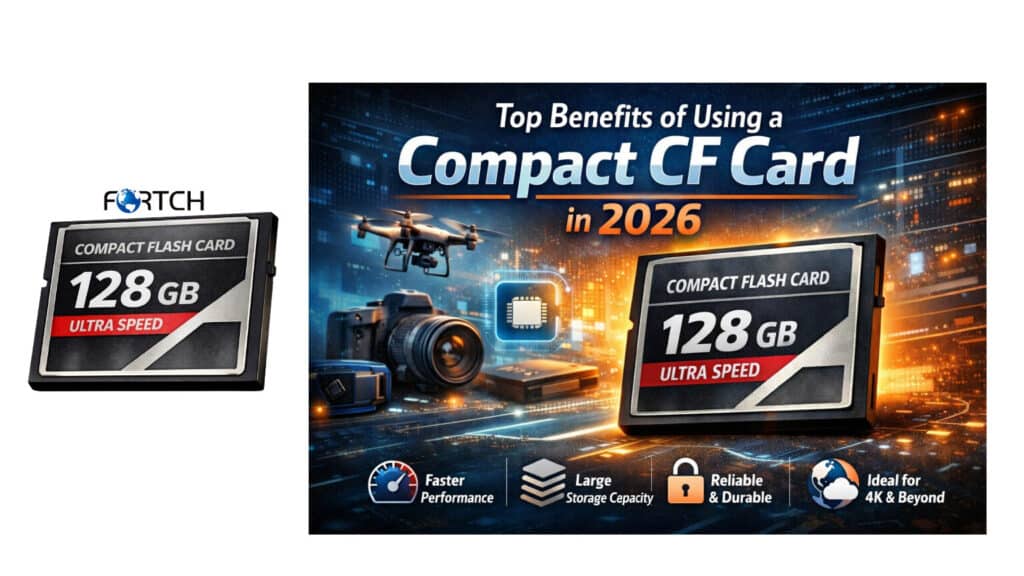

Why Compact Flash Card Still Matters for Professional Photography

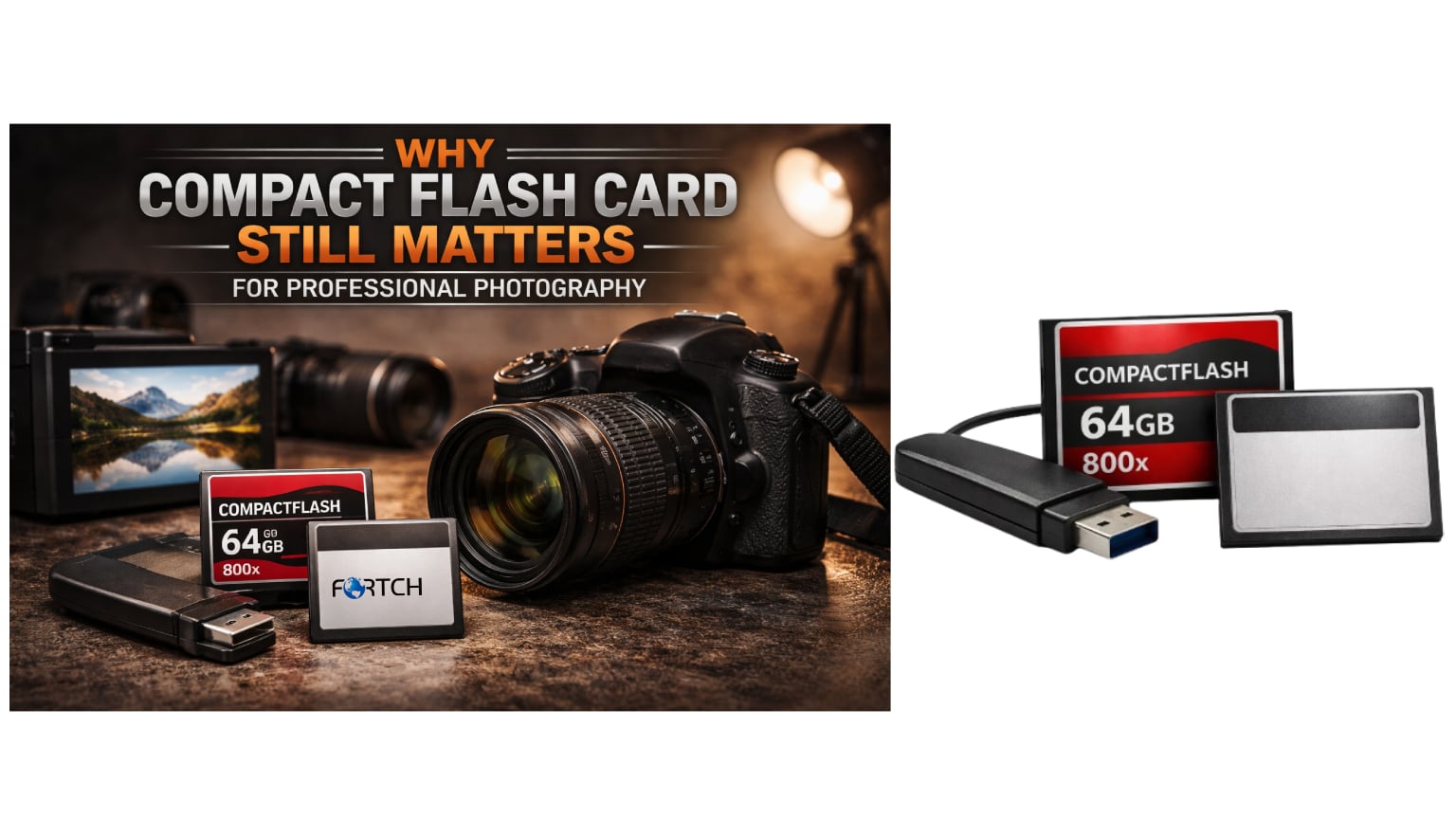
In an era dominated by rapid technological advancements and the constant release of new storage formats, the persistence of the compact flash card in the professional photography landscape is a testament to its enduring value. While SD and other newer formats have gained popularity among consumers, the reliability and robustness of this legacy technology continue to serve a critical role for high-end studios and industrial applications.
Understanding the continued relevance of this hardware is essential for wholesale buyers and B2B clients who prioritize data integrity and operational continuity over fleeting market trends. This analysis explores why the cf memory card remains a staple, how it impacts the supply chain, and what strategies businesses should adopt to leverage this enduring market segment for long-term growth.
1. Why Legacy Technology Still Dominates Specific Professional Niches
The continued dominance of the compact flash card in specific professional niches is largely driven by the high cost of switching entire camera ecosystems for established studios and industrial users. Many professional photographers and agencies have invested tens of thousands of dollars in high-end camera bodies that rely specifically on this format, making it financially impractical to upgrade solely for the sake of a newer interface standard. For B2B buyers, this represents a stable, long-term demand curve where customers need consistent, reliable supplies of compatible media rather than the latest innovation. This market inertia ensures that the cf memory card remains a relevant inventory item for wholesalers catering to legacy professional sectors.
Furthermore, the industrial and broadcast sectors often utilize specialized hardware that is built with proprietary slots designed exclusively for compact flash memory card units. These industries operate on longer upgrade cycles compared to consumer electronics, often maintaining equipment for a decade or more to maximize return on investment. Consequently, the requirement for durable, high-capacity storage that fits existing industrial machinery does not disappear simply because newer formats exist. Wholesale suppliers who recognize this distinction can secure lucrative contracts by guaranteeing stock continuity for legacy formats that big-box retailers have long since abandoned.
Another critical factor is the physical form factor itself, which offers handling advantages that smaller, flimsier cards cannot match in professional environments. Photographers working in the field, often wearing gloves or working in low-light conditions, find the larger size of a compact flash card easier to insert and eject without fumbling or damaging the hardware. This ergonomic reliability reduces the likelihood of user error during critical moments, such as rapid card swaps during events or breaking news coverage. For B2B clients, emphasizing this usability advantage is a strong selling point when marketing to professional users who value efficiency and tactile feedback above all else.
Finally, the perceived obsolescence of the format has actually strengthened its position in niche markets by driving manufacturing toward higher quality and specialized industrial grades. As mass production moves to newer formats, the remaining production lines for cf memory card products are increasingly focused on premium, high-durability components rather than cheap consumer goods. This shift means that modern units often boast superior error correction and longer lifespans than their predecessors, making them an even more attractive option for data-critical professional applications. Businesses that align their wholesale strategy with this premium positioning can effectively cater to a customer base that is willing to pay for guaranteed quality.
1.1 Why Reliability and Durability Remain Unmatched in Harsh Environments
The physical architecture of a compact flash card is inherently superior to many modern alternatives when it comes to withstanding rigorous field conditions and operational stress. Unlike SD cards that rely on fragile pin contacts that can easily bend or snap, CF cards utilize a robust pin-and-socket system that is significantly less prone to physical damage during frequent insertions and removals. This mechanical resilience ensures that professional photographers working in unpredictable environments, such as conflict zones, wildlife expeditions, or industrial manufacturing floors, can trust their hardware to function under pressure. For wholesale distributors, emphasizing this superior build quality is a key selling point when targeting B2B clients who operate in demanding sectors and cannot afford equipment failure.
Furthermore, the industrial-grade shielding and casing found in high-quality cf memory card units offer exceptional protection against shock, vibration, and extreme temperatures that would cripple standard storage media. Professional photography often involves travel to locations where equipment is jostled, exposed to fine dust, or subjected to freezing heat, all of which are common causes of data corruption. The rugged construction of these cards minimizes the risk of physical failure, which remains the primary cause of data loss in the field. Consequently, businesses that supply to industrial photographers, security firms, or military contractors must ensure their inventory includes these durable legacy formats to meet specific operational requirements that consumer-grade storage cannot fulfill.
The compact flash memory card also benefits from a design that dissipates heat more effectively than smaller, enclosed formats, which is crucial for maintaining performance during intensive use. High-speed continuous shooting generates significant heat, which can degrade performance or damage the controller in lesser cards, leading to dropped frames or write errors. The larger surface area of the CF casing allows for better thermal management, ensuring that write speeds remain consistent even during prolonged burst sessions. For businesses advising clients on high-volume workflow solutions, this thermal efficiency translates to fewer corrupted files and a lower rate of returns, reinforcing the value proposition of stocking these reliable components.
Finally, the inherent durability of these cards allows for extensive customization options that can further enhance their suitability for specific professional environments. Wholesale suppliers can offer customized branding or specialized casing reinforcements that add an extra layer of protection for clients in harsh industries. By providing a compact flash card that is tailored to withstand specific environmental stressors, suppliers move beyond simply selling a product and instead offer a specialized solution that safeguards the client’s valuable data. This level of product adaptation fosters stronger B2B relationships and positions the supplier as a strategic partner in operational continuity.
1.2 Why Speed and Performance Sustain High-End Workflows
Despite being an older format, the compact flash card has continuously evolved to support increasingly high data rates required by professional photography and videography. Modern CF cards, particularly those utilizing UDMA 7 technology, offer write speeds that comfortably handle the massive RAW files and high-bitrate video produced by medium-format and high-resolution DSLR cameras. This speed is critical for professionals who need to clear the camera buffer quickly after a burst of shots, ensuring they never miss a decisive moment during fast-paced events. For B2B buyers, offering high-speed cf memory card options is essential to serve clients in sports, journalism, and fashion photography where speed is synonymous with productivity.
The internal controller technology within a professional-grade compact flash memory card is often more advanced than that found in standard consumer cards, designed specifically to sustain write speeds over long periods. While many cards advertise high maximum speeds, professional units maintain these speeds without thermal throttling, which is vital for recording lengthy video clips or shooting thousands of images in a single session. This sustained performance consistency ensures that workflow interruptions are minimized, allowing creative professionals to focus on their craft rather than their equipment’s limitations. Wholesale buyers should prioritize sourcing cards with verified sustained speed specifications to meet the exacting standards of their professional clientele.
Market data from late 2024 indicates that while the overall volume of memory card sales has shifted, the demand for high-performance, high-capacity compact flash card units remains stable among top-tier professionals. These users require storage solutions that can keep pace with the data throughput of flagship cameras that may still utilize CF slots, such as certain models preferred by cinematographers for their robust codec support. By 2026, industry analysts predict that the remaining market for CF cards will be almost exclusively high-performance, driving manufacturers to optimize these products for maximum speed and reliability. Suppliers who stock these high-performance variants will find a dedicated audience willing to invest in quality.
Additionally, the integration of fast cf memory card technology into workflow setups often simplifies the post-production process for studios that have built their infrastructure around this format. High-speed card readers and duplicate stations designed for CF cards are prevalent in many production houses, and switching formats would require overhauling this expensive hardware. By continuing to supply compatible compact flash memory card products, wholesalers enable their clients to maximize the lifespan of their existing studio infrastructure. This compatibility creates a sticky customer base that relies on the supplier for the ongoing maintenance of their high-speed data workflows.
2. How the Wholesale Market for CF Cards is Evolving in 2025-2026
The wholesale market for storage media is undergoing a significant transformation as the compact flash card transitions from a mass-market commodity to a specialized industrial component. While consumer sales have largely shifted to SD and microSD formats, the B2B sector continues to see robust demand for CF cards, driven by legacy professional cameras and embedded systems. This shift requires wholesalers to adjust their inventory strategies, moving away from high-volume, low-margin sales toward a curated selection of high-reliability products. Understanding this evolution is critical for distributors who aim to remain relevant in a market that is becoming increasingly fragmented and technically demanding.
Market analysis heading into 2025 indicates that the cf memory card is solidifying its position as a niche product for enterprise and industrial applications, rather than general photography. The total available market is shrinking in unit volume but increasing in value per unit, as the remaining buyers prioritize durability and technical specifications over price. Suppliers who recognize this trend can pivot their business models to focus on service, long-term availability guarantees, and technical support, rather than competing on price alone. This strategic pivot allows wholesalers to maintain profitability even as the broader consumer market moves on to newer technologies.
Furthermore, the rise of customization and value-added services is reshaping how compact flash memory card products are sold to B2B clients. Modern procurement managers are looking for partners who can provide pre-formatted cards, custom branding, and specialized packaging to streamline their internal operations. By offering these tailored solutions, wholesalers can differentiate themselves from generic distributors and build deeper, more resilient relationships with their clients. This evolution from a simple transactional model to a solution-oriented partnership is defining the successful wholesale strategies of the mid-2020s.
Looking ahead to 2026, the wholesale landscape will be defined by supply chain stability and the ability to source legacy components in a market dominated by newer innovations. As manufacturers phase out production of older memory chips, securing a steady supply of compact flash card units will become a competitive advantage for those who plan ahead. Wholesalers must establish strong relationships with chip manufacturers and invest in inventory buffering to ensure they can meet the ongoing needs of industrial clients. This proactive approach to inventory management will separate the market leaders from those who struggle to fulfill orders in a constrained supply environment.
2.1 How Industrial and Enterprise Applications Drive Demand
The demand for compact flash card products is increasingly shifting away from individual consumer photographers and toward industrial and enterprise applications that require long-term availability. Unlike consumer markets, which chase the latest trends, industrial sectors such as automation, aerospace, and medical imaging rely on stable, fixed-bill-of-materials for their embedded systems. These sectors utilize the cf memory card as a primary boot medium or data logging device, requiring a consistent supply of the same specific model for years, if not decades. For wholesale distributors, this shift represents an opportunity to secure long-term contracts with OEMs who value supply chain continuity over the lowest unit price.
According to 2025 market insights, the industrial automation sector is projected to maintain a steady demand for legacy storage formats, with the compact flash memory card playing a pivotal role in machinery control systems. These environments require storage that can withstand vibration, electrical noise, and continuous read/write cycles without failure, criteria that industrial-grade CF cards are specifically designed to meet. As Industry 4.0 and IoT implementations expand, the need for reliable, localized edge storage in harsh factory environments keeps the market for these robust cards alive. B2B suppliers can capitalize on this trend by certifying their inventory for industrial use and ensuring compliance with rigorous quality standards.
Furthermore, the medical and defense sectors often have stringent certification processes that prevent them from rapidly switching to new storage technologies. Once a device, such as an ultrasound machine or a drone controller, is certified with a specific compact flash card, changing that component can require re-certification, which is a costly and time-consuming process. Consequently, these sectors stockpile legacy formats or establish long-term purchasing agreements with wholesalers to ensure they have access to the required hardware for the lifespan of the equipment. This creates a protected niche market where price sensitivity is lower, and reliability and availability are the primary purchasing drivers.
For wholesalers looking to succeed in this evolving market, the focus must shift from selling commodities to providing lifecycle management solutions for cf memory card products. This involves offering services such as end-of-life notifications, last-time-buy opportunities, and suggestions for drop-in replacements when older technologies are finally phased out. By positioning themselves as experts in the lifecycle of industrial storage, suppliers can build deep, defensible relationships with enterprise clients who view them as essential partners in their operational stability rather than mere vendors of components.
2.2 How Customization Adds Value for B2B Buyers
In a commoditized market, the ability to offer extensive compact flash card customization services serves as a powerful differentiator for wholesalers targeting B2B clients. Businesses are increasingly looking for ways to reinforce their brand identity, and custom-branded storage media offers a tangible touchpoint during professional engagements. Whether it is a rental house, a media production company, or a police department, having a cf memory card printed with a logo, serial number, or contact information adds a layer of professional accountability and brand presence. Wholesale suppliers that provide high-quality, durable branding options can command higher margins and foster stronger customer loyalty.
Beyond aesthetics, functional customization is becoming a critical requirement for many enterprise clients utilizing compact flash memory card technology in their specialized equipment. This can include pre-loading the cards with specific software, firmware, or encryption keys that are necessary for the hardware to operate correctly out of the box. For example, a digital signage company might need cards pre-loaded with content, or a security firm might require hardware-encrypted cards for sensitive data operations. Wholesalers who offer these value-added services simplify the procurement process for their clients, effectively becoming a fulfillment partner rather than just a parts supplier.
Customization also extends to the physical packaging and bulk configuration of the compact flash card shipments, catering to the logistical needs of large organizations. Some B2B clients may require specific anti-static packaging, barcode labeling for inventory management, or custom bulk packs that align with their internal usage rates. By 2026, it is expected that over 40% of B2B tech purchases will involve some form of customization, as buyers seek to streamline their supply chains and reduce handling time. Suppliers that can accommodate these logistical specifics will find themselves preferred partners for procurement managers who value efficiency and attention to detail.
Finally, offering customized solutions allows wholesalers to protect their margins by creating unique products that cannot be easily price-compared on the open market. A standard compact flash card is a commodity subject to fierce price wars, but a pre-programmed, custom-labeled, and specially packaged card is a unique solution. By investing in the capabilities to deliver these tailored products, wholesalers can insulate themselves from market volatility and build a more sustainable, profitable business model centered on high-value B2B relationships rather than high-volume, low-margin retail sales.
3. Which Factors Should Buyers Consider When Sourcing CF Memory Cards
Selecting the right compact flash card for professional or industrial use involves a complex evaluation of technical specifications, durability requirements, and long-term supply chain stability. For B2B buyers and procurement managers, the stakes are significantly higher than for individual consumers, as a failure in a critical system can result in substantial financial loss or operational downtime. Therefore, the sourcing process must go beyond simple price comparison and delve into the technical nuances that determine the true value of the product. A thorough understanding of these factors ensures that the chosen cf memory card will perform reliably in its intended environment.
One of the primary considerations is the balance between performance capabilities and the specific requirements of the host device, a factor that is often overlooked in favor of maximum speed ratings. Not all compact flash memory card units are created equal, and using a consumer-grade card in a professional device can lead to premature failure or data corruption. Buyers must analyze the write cycles, temperature tolerances, and error correction capabilities of the card to ensure it matches the rigorous demands of professional photography or industrial automation. This careful matching of product specifications to application needs is the cornerstone of effective B2B procurement.
Cost of ownership is another critical factor, where the initial purchase price of a compact flash card is often less significant than the costs associated with potential failure and data recovery. Industrial-grade cards may carry a higher upfront cost, but their extended lifespan and lower failure rates result in a lower total cost of ownership over time. Educating stakeholders on this economic reality is essential for procurement teams looking to justify the investment in premium hardware. By focusing on value rather than just price, businesses can avoid the false economy of cheaper, less reliable storage solutions.
Finally, the reputation and reliability of the wholesaler or manufacturer play a decisive role in the sourcing decision, as the availability of cf memory card products can fluctuate wildly. Buyers need partners who can provide accurate technical documentation, certification of compliance with industry standards, and assurances of continued supply. In a market where counterfeit products are a risk, establishing a relationship with a trusted supplier is paramount. This trust is built on the supplier’s ability to deliver consistent quality and provide expert guidance on which specific compact flash card models best suit the client’s unique operational challenges.
3.1 Which Specifications Define Professional Grade Quality
When sourcing a compact flash card for professional or industrial use, buyers must look beyond storage capacity and prioritize the technical specifications that ensure data integrity and longevity. The speed class and UDMA mode are critical indicators of performance, but for professional use, the sustained write speed is far more important than the peak burst speed. A high-quality cf memory card must maintain its write speed without dropping frames, which is essential for recording high-definition video or shooting rapid-fire RAW sequences. Buyers should demand detailed performance graphs from manufacturers that show how the card performs under sustained load, rather than relying solely on marketing numbers.
Another vital specification is the operating temperature range, which distinguishes a consumer-grade compact flash memory card from an industrial or professional-grade one. Professional photographers often work in extreme cold or scorching heat, and standard cards may fail or become unstable in these conditions. Industrial-grade cards typically feature wider operating temperature ranges, often extending from -40°C to 85°C, ensuring reliable data retention and write capability regardless of the environment. Wholesalers sourcing inventory for B2B clients should verify these temperature ratings to ensure the products can withstand the specific use cases of their end customers.
The type of NAND flash memory used in the construction of the compact flash card is also a decisive factor in its lifespan and reliability. While consumer cards often use TLC (Triple-Level Cell) NAND to maximize capacity at a lower cost, professional-grade cards typically utilize SLC (Single-Level Cell) or MLC (Multi-Level Cell) NAND. These technologies offer significantly higher program/erase cycles, meaning the card can be written to and erased many more times before it fails. For clients who use cards for heavy-duty logging or daily professional shooting, investing in SLC or MLC-based cf memory card products reduces the total cost of ownership by preventing premature failures and data loss.
Finally, error correction code (ECC) efficiency and wear-leveling algorithms are internal specifications that define the robustness of the card. A professional compact flash memory card will have advanced ECC engines that can correct multiple bit errors automatically, preventing data corruption before it affects the user. Simultaneously, sophisticated wear-leveling ensures that data is written evenly across the memory cells, preventing hotspots that lead to early failure. Buyers should source from suppliers who provide detailed datasheets outlining these internal controller features, as they are the hallmarks of a product truly designed for the rigors of professional use.
3.2 Which Trends Will Shape the Future of Compact Flash Memory Cards
One of the most significant trends shaping the future of the compact flash card is the transition towards CFexpress technology, which utilizes the same form factor but offers vastly superior speeds. While traditional CF cards are reaching the limits of their interface, CFexpress leverages the PCIe interface and NVMe protocol to deliver speeds comparable to SSDs, making them ideal for 8K video and high-frame-rate photography. However, this technological shift does not render the legacy cf memory card obsolete immediately; rather, it creates a transitional market where backward compatibility is highly valued. Wholesalers need to stock both legacy and next-generation formats to support clients gradually migrating their equipment.
Industry forecasts for 2026 suggest that while the volume of traditional compact flash memory card sales will decline, the revenue per unit will likely increase as the product becomes a specialized niche item. As mass production scales down, the remaining manufacturing will focus on high-reliability, high-capacity versions required by legacy industrial systems. This trend implies that buyers can expect price stability or even slight increases for high-quality professional CF cards, as they are no longer subject to the aggressive price erosion seen in the consumer SD card market. Businesses should prepare their procurement strategies to account for this shift toward lower volume but higher value inventory.
Sustainability and supply chain transparency are also becoming central trends in the manufacturing of memory cards, including the compact flash card. B2B buyers, particularly in Europe and North America, are increasingly requiring suppliers to verify that components are sourced ethically and that manufacturing processes meet environmental standards. By 2025, it is anticipated that significant market share will shift toward suppliers who can provide certifications regarding conflict minerals and carbon footprint reduction. Wholesalers who proactively source cf memory card products from compliant manufacturers will have a competitive advantage when dealing with enterprise clients who have strict corporate social responsibility (CSR) mandates.
Finally, the concept of “long-term supply” guarantees is becoming a critical trend for B2B purchasers of the compact flash memory card. As the format ages, the fear of obsolescence grows, leading industrial buyers to seek partners who can commit to supplying the same SKU for five to ten years. Forward-thinking wholesalers are establishing strategic partnerships with chip manufacturers to secure wafers and controllers, ensuring they can meet these long-term supply agreements. By addressing the fear of obsolescence head-on, suppliers can lock in loyal B2B customers who need certainty more than they need innovation, securing a stable revenue stream in a maturing market.
Conclusion
The compact flash card continues to hold a vital position in the professional photography and industrial landscapes due to its unmatched durability, high-speed performance, and deep integration into legacy systems. For wholesale buyers and B2B clients, understanding the distinct advantages of this technology is crucial for making informed procurement decisions that prioritize reliability and operational continuity.
As the market evolves toward 2026, the focus will shift from high-volume consumer sales to specialized, high-value industrial applications and customization services. To secure a competitive edge, businesses should partner with suppliers who offer guaranteed long-term availability, industrial-grade specifications, and tailored branding solutions. Contact us today to explore our wholesale catalog and discover how our premium cf memory card solutions can meet your organization’s exacting standards.
Frequently Asked Questions
1. Why does the compact flash card remain relevant for professional use in 2025?
The compact flash card remains relevant because it offers superior physical durability and reliability compared to many smaller, newer formats. Professional photographers and industrial users value its robust pin-and-socket design, which is less prone to damage than the fragile contacts found on SD cards. Additionally, many high-end professional cameras and industrial systems still rely on this format, making it essential for B2B buyers to maintain a stock of cf memory card products to support legacy hardware and specialized workflows.
2. How does the cf memory card ensure data safety in harsh environments?
A cf memory card is typically built with industrial-grade shielding and rugged casing that protects against shock, vibration, and extreme temperatures. Its larger form factor allows for better heat dissipation during high-speed operations, preventing thermal throttling and data corruption. For wholesale clients operating in sectors like defense, aerospace, or outdoor field photography, this resilience ensures that critical data remains intact even in the most demanding conditions where consumer-grade storage would likely fail.
3. Which industries rely most heavily on the compact flash memory card?
Industries with long equipment life cycles and rigorous operational standards are the primary users of the compact flash memory card. These include industrial automation, medical imaging, aerospace, and broadcast media, where machinery often remains in service for a decade or more. These sectors require stable, long-term supply chains for compatible storage media, creating a sustained B2B demand for high-quality CF cards that are not subject to the rapid obsolescence seen in the consumer electronics market.
4. Why is the compact flash card preferred for industrial automation over newer formats?
In industrial automation, the “if it isn’t broken, don’t fix it” mantra applies strongly, as re-certifying machinery with new components like an SD card can be prohibitively expensive. The compact flash card is preferred because it fits into existing embedded systems and offers a fixed bill of materials that manufacturers can rely on for years. Furthermore, the availability of industrial-grade cf memory card units with wide temperature ranges and high shock resistance makes them ideal for the control systems and data loggers used in smart factories.
5. How can customization add value to a wholesale cf memory card order?
Customization transforms a standard commodity into a tailored solution that enhances brand identity and operational efficiency. Wholesale suppliers can offer services such as custom logo printing, pre-loading firmware or software, and unique packaging configurations for the compact flash card. For B2B clients, these value-added services streamline their deployment processes—for example, by providing pre-configured cards for digital signage—and reinforce their brand presence, making the supplier an indispensable partner rather than a simple vendor.
6. Which technical features distinguish a professional compact flash card from a consumer one?
Professional-grade compact flash card units utilize advanced NAND flash memory types, such as SLC or MLC, which offer significantly higher write cycles and longevity compared to the TLC NAND found in consumer cards. They also feature sophisticated error correction code (ECC) engines and wear-leveling algorithms to prevent data corruption over time. When sourcing a cf memory card, professional buyers look for sustained write speeds, wide operating temperature ranges, and verified UDMA ratings to ensure the card can handle continuous, high-intensity workloads without failure.
7. Why should B2B buyers consider the compact flash memory card for long-term inventory?
B2B buyers should consider stocking the compact flash memory card because the market is shifting from high-volume consumer sales to a stable, high-value niche focused on industrial and professional use. As mass production decreases, the remaining demand comes from clients who need guaranteed availability for legacy systems, creating a loyal customer base with low price sensitivity. By maintaining inventory of these specialized cards, wholesalers can secure recurring revenue streams and protect their margins against the commoditization affecting newer storage formats.
8. How does the durability of a compact flash card impact the total cost of ownership?
The enhanced durability of a compact flash card significantly reduces the total cost of ownership by minimizing the risks of data loss, equipment downtime, and frequent replacements. While the upfront cost of an industrial-grade cf memory card may be higher, its ability to withstand physical stress and temperature extremes prevents the expensive consequences of failure in a professional setting. For businesses, investing in reliable storage means fewer interruptions in workflow and lower expenses related to data recovery and hardware replacement.
9. Which trends are influencing the wholesale market for cf memory card products?
The wholesale market for cf memory card products is being influenced by the trend toward “long-term supply” guarantees and the increasing demand for customization services. As the format matures, industrial buyers are prioritizing suppliers who can promise stock continuity for five to ten years to match their product lifecycles. Additionally, the rise of Industry 4.0 and the Internet of Things (IoT) is driving demand for rugged, reliable edge storage, further solidifying the compact flash card as a critical component in modern industrial infrastructure.
10. How should businesses approach the transition from compact flash memory card to newer technologies?
Businesses should approach the transition strategically by utilizing a compact flash memory card as a bridge technology while gradually upgrading their infrastructure to support newer standards like CFexpress. Since many newer cameras and readers offer backward compatibility or are designed to accept multiple formats, wholesalers can help clients migrate by stocking both legacy and next-generation cards. This phased approach allows businesses to maximize the utility of their existing equipment investments while preparing for future technological advancements without disrupting their current operations.