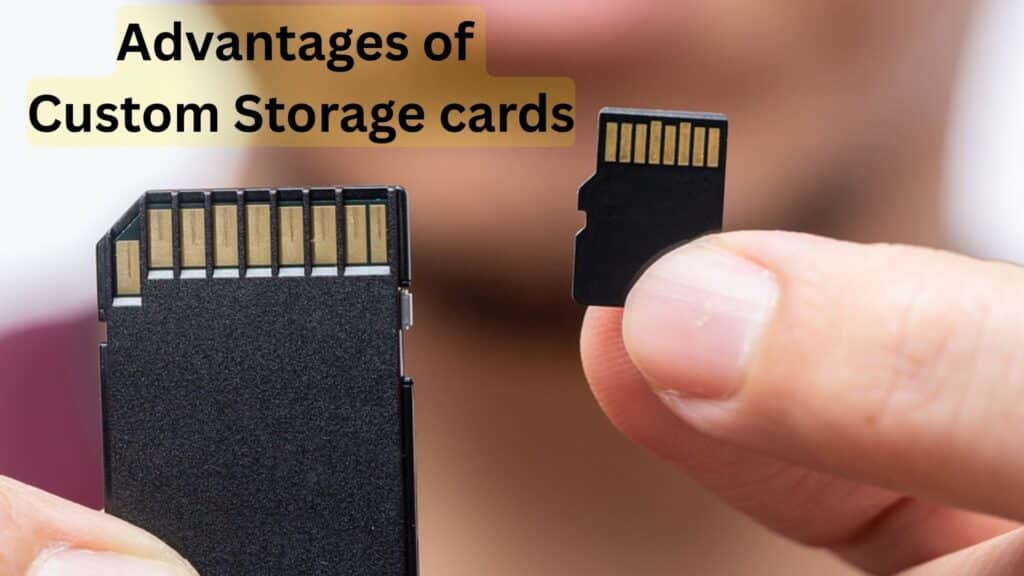

OEM Memory Card Manufacturing: What You Need to Know

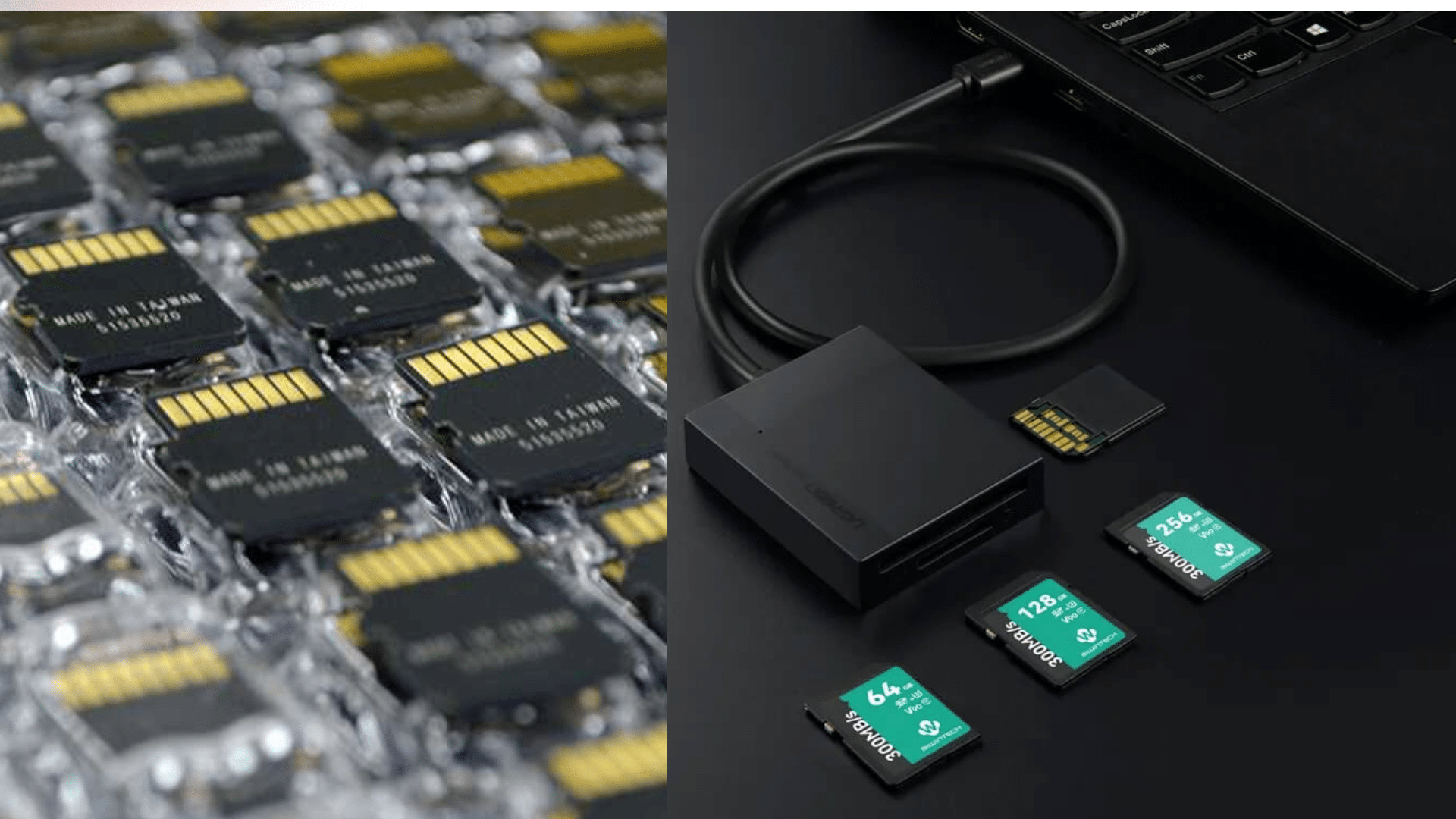
Why Understanding OEM Memory Card Manufacturing is Crucial for Modern Storage Solutions
The demand for reliable, high-capacity storage continues to surge, positioning memory card manufacturing as a cornerstone of the global tech industry. As data generation accelerates across sectors—industrial IoT, 4K/8K videography, and enterprise computing—the need for customized storage solutions is more critical than ever. For businesses looking to expand their product lines or secure a dependable supply chain, understanding the OEM (Original Equipment Manufacturer) production process for CompactFlash, TB SD cards, and standard SD cards is essential. This guide explores the intricacies of memory card manufacturing, offering insights into how businesses can leverage wholesale partnerships to deliver high-quality, branded storage solutions.
1. How OEM Manufacturing Drives the Memory Card Industry
OEM manufacturing serves as the backbone of the storage sector, enabling brands to produce high-quality memory card solutions without investing in expensive fabrication facilities. This model allows businesses to focus on marketing and distribution while relying on specialized manufacturers for production.
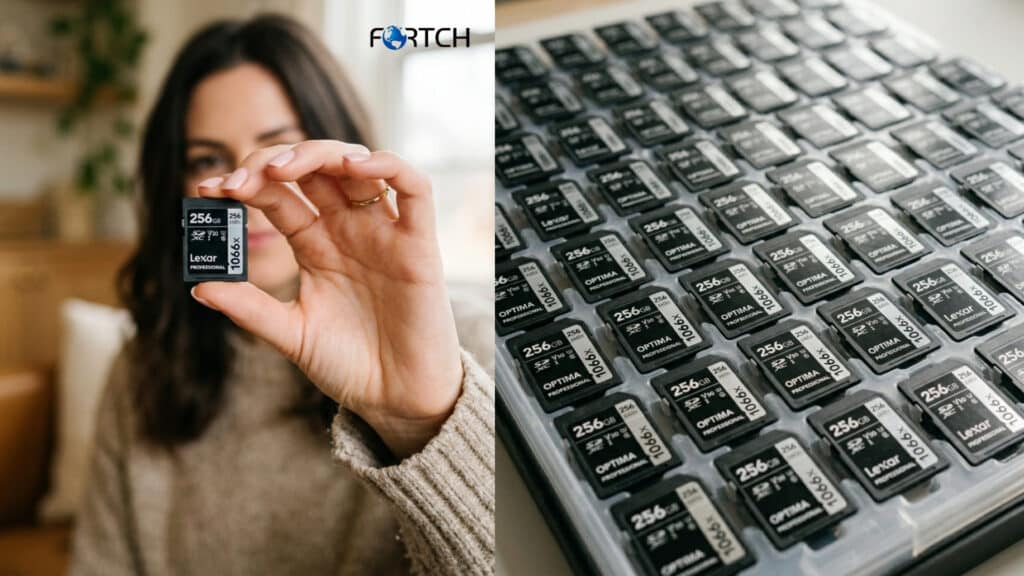
1.1 Why Choose OEM Manufacturing for Your Brand?
Partnering with an OEM manufacturer provides distinct strategic advantages that directly impact profitability and market reach. The primary benefit lies in cost efficiency; by leveraging bulk memory card manufacturing capabilities, businesses significantly reduce per-unit costs compared to in-house production. Furthermore, OEM partnerships offer extensive customization options, allowing brands to tailor storage capacities, speed classes, and security features to specific market niches. This collaboration also accelerates time to market, as established manufacturers possess the R&D infrastructure to rapidly prototype and launch new products, bypassing the lengthy development cycles that often delay hardware releases.
1.2 Which Types of Memory Cards Are Best Suited for OEM Production?
To make informed decisions, brands must understand the specific applications of different form factors available through wholesale channels.
- Compact Flash (CF) Memory Card: Despite the rise of smaller formats, the Compact Flash memory card remains a staple in industrial automation and professional photography. Its robust design allows for superior heat dissipation and physical durability, making it ideal for rugged environments where reliability is paramount.
- TB SD Card (Terabyte SD Card): The evolution of flash technology has made the TB SD card a reality. These high-capacity cards are essential for professionals handling massive data loads, such as 8K video footage and high-resolution raw image sequences.
- Standard SD Memory Card: As the most ubiquitous form of portable storage, the memory card standard is vital for consumer electronics, smartphones, and entry-level industrial devices. OEMs produce these at scale, offering a range of speed classes to suit varying performance needs.
2. What Factors Define High-Quality Memory Card Manufacturing?
Selecting the right OEM partner requires a deep understanding of the technical components that dictate performance and longevity. The quality of a memory card is not determined solely by its storage capacity but by the architecture of its internal components.
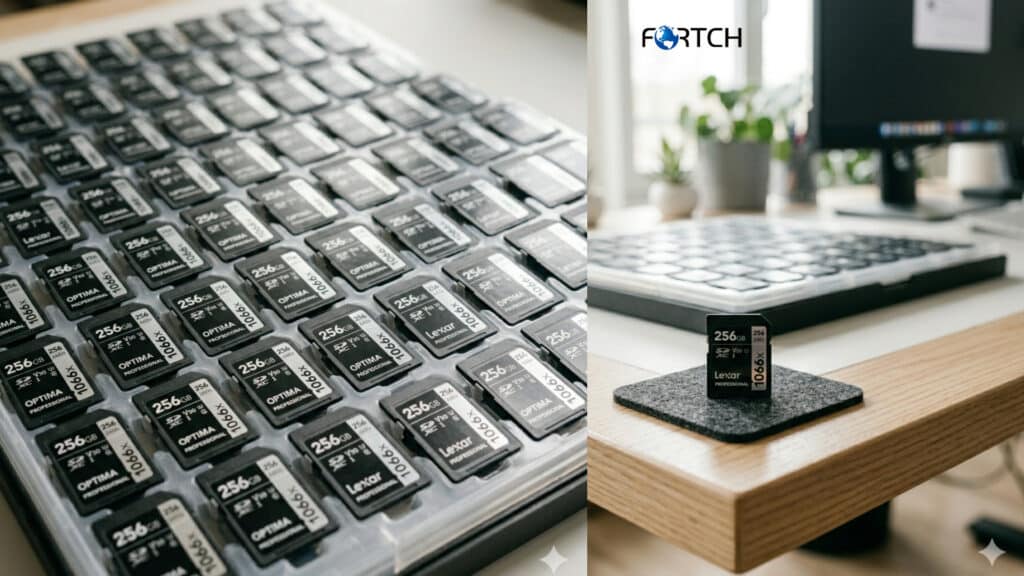
2.1 How Does NAND Flash Type Affect Performance?
The heart of any memory card is the NAND flash memory used to store data. Understanding the hierarchy of NAND types is crucial for wholesale buyers targeting specific demographics.
- SLC (Single-Level Cell): Offering the highest endurance and speed, SLC is the gold standard for industrial and mission-critical applications, though it comes at a higher price point.
- MLC (Multi-Level Cell): Providing a balance between performance, cost, and lifespan, MLC is often the choice for professional-grade memory card manufacturing targeting prosumers.
- TLC (Triple-Level Cell): The most common type found in consumer electronics, TLC offers high storage density at a lower cost, suitable for standard retail products.
- QLC (Quad-Level Cell): While QLC maximizes storage capacity and minimizes costs, it offers lower endurance. It is typically reserved for consumer-grade memory card products where extreme write cycles are not expected.
2.2 Why Are Read and Write Speeds Critical for User Experience?
Speed is often the primary differentiator in the market. A memory card reader can only transfer data as fast as the card allows. For professional photographers and videographers, slow write speeds result in buffer overload, causing the camera to freeze during continuous shooting.
- UHS-I and UHS-II: These bus interfaces facilitate faster data transfer rates for SD and TB SD cards, with UHS-II offering dual-row pins for significantly higher bandwidth.
- V-Class Ratings: For video applications, Video Speed Class ratings (V30, V60, V90) guarantee a minimum sequential write speed, ensuring smooth recording of high-bitrate video.
- NVMe-Based Interfaces: In the evolution of the Compact Flash standard, CFexpress cards utilize NVMe technology to deliver speeds rivaling solid-state drives, catering to the next generation of high-performance cameras.
2.3 How Does Durability Impact Industrial and Commercial Use?
A memory card is often subjected to harsh conditions, particularly in industrial or field-use scenarios. High-quality memory card manufacturing integrates rigorous protective features. True industrial-grade cards are waterproof, shockproof, and capable of withstanding extreme temperatures ranging from -40°C to 85°C. Additionally, protection against X-rays and magnetic interference ensures data integrity during travel and in environments with high electromagnetic interference, making them suitable for aerospace and automotive applications.
3. How to Leverage Customization in OEM Memory Card Manufacturing
One of the most significant advantages of the OEM model is the ability to tailor products to fit a brand’s identity. Customization goes beyond simple aesthetics; it extends to firmware and functional design.
3.1 Which Customization Options Should You Prioritize?
To stand out in a crowded market, brands must utilize the full spectrum of customization offered by manufacturers.
- Logo and Branding: Custom printing on the card’s surface and packaging enhances brand visibility and builds consumer trust.
- Firmware Customization: Manufacturers can modify the controller firmware to include unique features such as password protection, write-protect switches, or specific partitioning for dual-storage functionality.
- Packaging Solutions: Custom retail packaging not only protects the product but also serves as a critical marketing tool. Eco-friendly packaging options are increasingly available to align with sustainability goals.
3.2 Why Is Compliance and Certification Essential for Global Distribution?
Navigating the regulatory landscape is a critical aspect of memory card manufacturing. Products must adhere to international standards to be sold in major markets.
- Regulatory Compliance: Certifications such as CE (Europe), FCC (USA), and RoHS (restriction of hazardous substances) are mandatory for legal import and sale.
- Quality Management: ISO 9001 and 14001 certifications indicate that the manufacturer adheres to strict quality control and environmental management systems.
- Industry Standards: Adherence to JEDEC and SD Association standards ensures compatibility with host devices, preventing returns due to connectivity issues.
4. Which OEM Manufacturer Should You Trust for Your Business?
Choosing a manufacturing partner is a decision that dictates the long-term success of your storage product line. Evaluating potential partners requires a focus on capability, support, and scalability.
4.1 What Manufacturing Capabilities Indicate a Reliable Partner?
Top-tier manufacturers utilize state-of-the-art facilities featuring automated production lines to ensure consistency. Automated optical inspection (AOI) systems are employed to detect physical defects, while sophisticated automated testing equipment verifies the functionality of every memory card before it leaves the factory floor. Furthermore, a manufacturer’s supply chain efficiency—their ability to secure high-quality NAND flash and controllers—is vital for maintaining stable pricing and production schedules.
4.2 How Does Technical Support and After-Sales Service Influence Success?
A successful OEM partnership extends beyond the delivery of goods. Reliable manufacturers provide ongoing technical support, including firmware updates to address security vulnerabilities or improve compatibility. Furthermore, a robust warranty and replacement policy is essential for maintaining customer satisfaction. A manufacturer that stands behind its product with low return rates and efficient RMA processes protects the brand’s reputation in the market.
4.3 Why Are Cost and Scalability Vital for Long-Term Growth?
While competitive pricing is important, scalability is the key to growth. As demand for your memory card products fluctuates, your manufacturer must have the agility to scale production up or down without compromising lead times. Global shipping and logistics capabilities are also crucial, ensuring that products reach distribution centers efficiently regardless of geographic location.
5. What Are the Future Trends Shaping Memory Card Manufacturing?
The storage industry is dynamic, with new technologies constantly emerging. Staying ahead of these trends allows businesses to future-proof their product offerings.
5.1 How Will the TB SD Card Market Evolve by 2026?
Industry reports indicate that the global memory card market is projected to grow significantly, driven by the proliferation of high-resolution content. By 2026, the adoption of TB SD cards is expected to become mainstream among professionals. As 8K video recording and VR applications become standard, the demand for affordable, high-capacity storage will surge. Memory card manufacturing processes are adapting to increase yield rates for high-capacity NAND, making these terabyte solutions more accessible for wholesale buyers.
5.2 Why Is CFexpress Replacing Traditional Compact Flash?
While the Compact Flash memory card is legendary for its durability, the industry is shifting toward CFexpress Type A and Type B cards. These newer formats utilize the PCIe interface to deliver read and write speeds exceeding 2,000 MB/s, quadrupling the performance of traditional CF cards. Manufacturers are now focusing on integrating advanced thermal management materials into these cards to handle the heat generated by such high speeds.
5.3 How Will Sustainable Memory Card Production Impact the Industry?
Sustainability is becoming a priority in electronics manufacturing. Leading OEMs are transitioning to eco-friendly production methods, utilizing lead-free solder and recyclable plastics for card bodies. Additionally, biodegradable packaging is becoming a standard requirement for eco-conscious brands. By 2025, it is anticipated that a significant portion of memory card manufacturing will be powered by renewable energy sources, reducing the overall carbon footprint of the product lifecycle.
5.4 Which Security Features Will Dominate Future Memory Cards?
With data privacy concerns on the rise, future memory card iterations will feature enhanced security protocols. This includes hardware-based encryption, biometric authentication integration, and blockchain-based data integrity verification to prevent tampering. These features will be particularly relevant for enterprise and government clients, opening new B2B opportunities for OEM suppliers.
Why Partner with a Leader in Memory Card Manufacturing?
The landscape of digital storage is complex, but the opportunities for growth are vast. Whether you are sourcing a rugged Compact Flash memory card for industrial use, a high-performance TB SD card for video production, or standard memory card units for consumer retail, selecting the right OEM partner is the most critical step. By prioritizing high-quality memory card manufacturing, understanding NAND technology, and leveraging customization options, businesses can build a robust product portfolio that meets the demands of 2025 and beyond.
Are you ready to expand your storage product lineup with high-quality, customized OEM solutions? Contact us today to discuss your wholesale needs and discover how our advanced memory card reader and storage solutions can elevate your brand. Let us help you navigate the future of storage with precision and expertise.
Frequently Asked Questions
1. Why is understanding the technical specifications of NAND flash important in memory card manufacturing?
Understanding NAND flash types—such as SLC, MLC, TLC, and QLC—is critical because it dictates the performance, endurance, and cost of the final product. For instance, SLC offers the highest durability for industrial applications, while QLC provides higher storage density at a lower cost for consumer use. Selecting the right NAND type ensures that the memory card meets the specific operational requirements and lifespan expectations of the target market.
2. How does OEM manufacturing help businesses scale their memory card product lines?
OEM (Original Equipment Manufacturer) memory card manufacturing allows businesses to scale efficiently without the massive capital investment required to build their own fabrication facilities. By leveraging the manufacturer’s existing supply chain, automated production lines, and R&D capabilities, brands can quickly adjust order volumes to meet fluctuating market demand while maintaining low per-unit costs and consistent quality control.
3. Which factors should be prioritized when selecting a Compact Flash memory card for industrial use?
For industrial applications, a Compact Flash memory card must prioritize durability and reliability over simple storage capacity. Key factors include operating temperature range (typically -40°C to 85°C), resistance to shock and vibration, and error correction capabilities. Furthermore, industrial CF cards often utilize SLC NAND flash to ensure data integrity and a longer lifespan under continuous write cycles in harsh environments.
4. What are the key differences between a standard SD memory card and a TB SD card?
The primary difference lies in capacity and performance application. While a standard memory card usually ranges from 2GB to 512GB, a TB SD card offers 1TB or more of storage space, designed specifically for data-intensive tasks such as 8K video recording, high-bitrate cinema production, and large-scale file backups. TB SD cards typically utilize advanced controller technology and higher-speed UHS-II or UHS-III interfaces to manage massive data transfers smoothly.
5. How can custom firmware in OEM memory cards provide a competitive advantage?
Custom firmware allows brands to offer unique features that differentiate their products in a crowded market. Through memory card manufacturing, firmware can be tailored to include specific security protocols, such as hardware encryption or password protection, and performance optimization for specific devices. This level of customization enables brands to create proprietary solutions that add value for enterprise clients or specialized professional users.
6. Why is the speed rating of a memory card critical for videography and photography?
Speed ratings determine how fast data can be written to and read from the card. For videographers and photographers, slow write speeds can cause buffer overflow, leading to dropped frames in video or missed shots in burst-mode photography. High-speed TB SD cards and CFexpress cards with V-Class (V60, V90) or UHS-II/III ratings ensure that high-resolution data is recorded smoothly, making them essential for professional media production.
7. What role does a memory card reader play in the overall efficiency of data transfer?
Even the fastest memory card cannot transfer data quicker than the memory card reader allows. Using a high-quality reader that supports the latest interface standards—such as USB 3.2 Gen 2 or Thunderbolt 3—is crucial to maximize the throughput of high-speed cards. For professionals managing large volumes of data on TB SD cards, an advanced reader significantly reduces workflow downtime by speeding up the offloading process.
8. How are sustainability trends influencing the future of memory card production?
Sustainability is becoming a major focus in memory card manufacturing, driven by consumer demand and regulatory pressure. Manufacturers are increasingly adopting eco-friendly practices, such as using recyclable plastics for card bodies, eliminating hazardous substances (RoHS compliance), and utilizing biodegradable packaging. By 2026, energy-efficient production processes powered by renewable sources are expected to become standard industry practice.
9. What compliance certifications are necessary for global distribution of memory cards?
To distribute memory card products globally, manufacturers must obtain specific certifications that verify safety and environmental compliance. Essential certifications include CE (Conformité Européenne) for Europe, FCC (Federal Communications Commission) for the United States, and RoHS (Restriction of Hazardous Substances) for environmental safety. Additionally, adherence to SD Association standards ensures compatibility with host devices worldwide.
10. Why is the shift toward CFexpress significant for the future of Compact Flash technology?
The shift to CFexpress represents a significant evolution in Compact Flash memory card technology. While traditional CF cards use PATA/IDE interfaces, CFexpress utilizes the PCIe/NVMe interface, delivering data transfer speeds comparable to SSDs. This transition caters to the emerging needs of high-end cinematography and professional photography, where 8K video and massive RAW file sizes demand faster write speeds than legacy formats can support.