

Best Micro SD Card for Phones, Cameras, and Gaming

Introduction
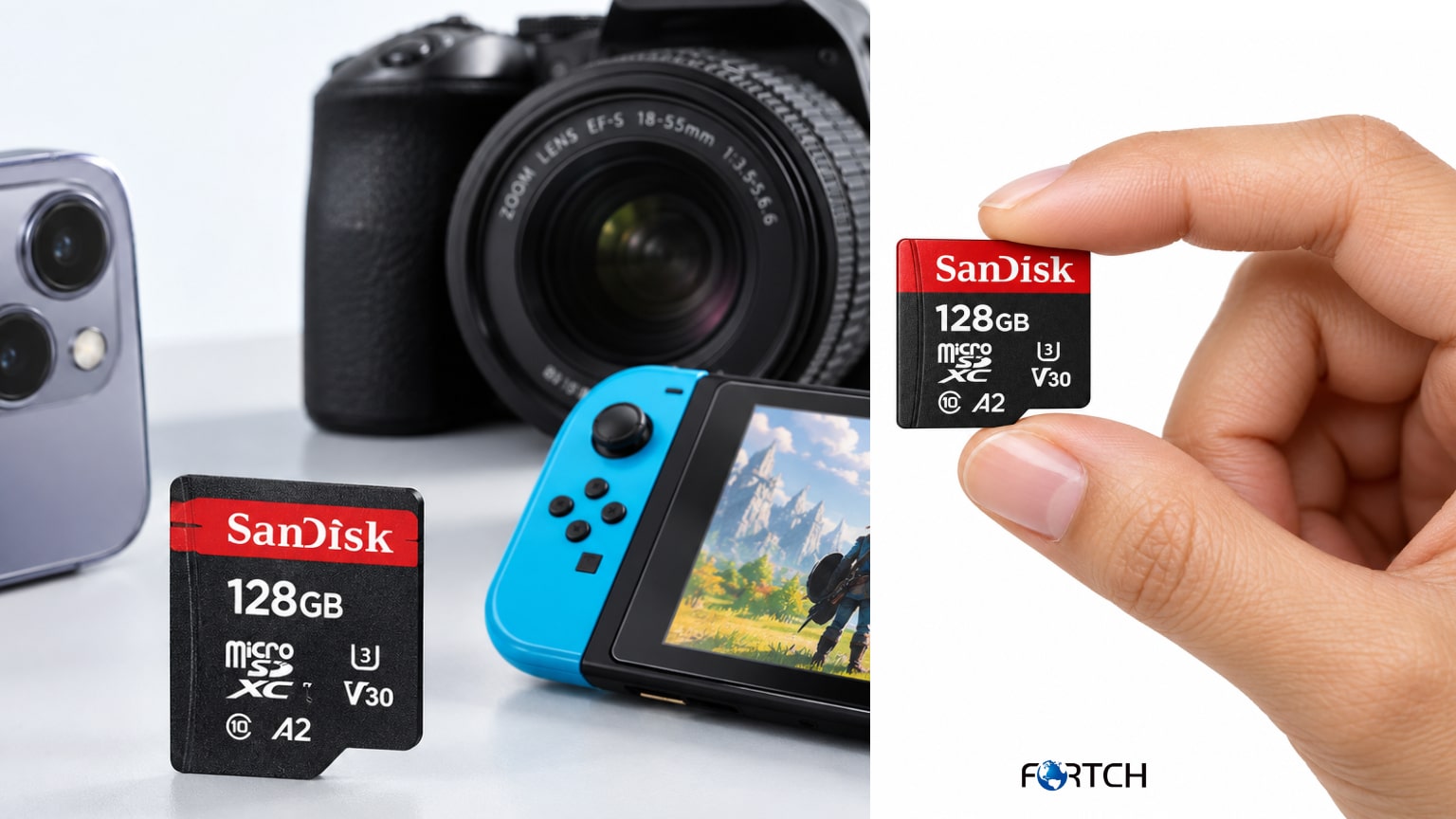
In an era defined by high-resolution media and data-intensive applications, the demand for robust expandable storage has never been more critical. As smartphones, gaming consoles, and professional cameras continue to advance, the internal storage often falls short of user requirements, creating a significant reliance on external memory solutions. For businesses and retailers, identifying the best micro sd card is not just about stocking a commodity but about providing essential tools that enhance device performance and user satisfaction. This comprehensive guide explores the landscape of micro sd card technology, focusing on wholesale strategies, customization opportunities, and the specific needs of diverse devices to help procurement managers make informed decisions in a competitive market.
1. Why the Demand for High-Performance Storage is Surging in 2025
The digital landscape is evolving at an unprecedented pace, driving a massive increase in the need for reliable and high-capacity storage solutions across all sectors. As mobile devices, gaming consoles, and professional cameras become more advanced, the internal storage often proves insufficient for the data-heavy applications users rely on daily. This surge has created a robust market for the micro sd card, transforming it from a simple accessory into a critical component of digital infrastructure. Businesses are now recognizing that stocking the best micro sd card variants is essential to meet the growing expectations of consumers who require instant access to vast libraries of media and applications.
Recent industry data from 2025 indicates that global data creation has outpaced previous forecasts, with the average smartphone user expected to generate over 50GB of new data per month. This explosion of content, ranging from 4K video streams to high-fidelity mobile games, necessitates expandable storage that can keep up with both capacity and speed requirements. For wholesalers and retailers, this trend represents a significant opportunity to provide value-added solutions through a well-curated selection of micro sd card for devices. Understanding the trajectory of this demand allows businesses to align their inventory with the actual needs of the tech-savvy consumer base.
Furthermore, the adoption of 5G technology has accelerated the consumption of high-bandwidth content, making faster read and write speeds a priority for end-users. A standard micro sd card no longer suffices for power users who want to download large files on the go or play graphics-intensive games without lag. Consequently, the market is shifting toward high-performance cards that meet rigorous speed standards, pushing wholesalers to prioritize quality over mere capacity. This shift underscores the importance of identifying and stocking the best micro sd card options that leverage the latest flash memory technology to ensure customer satisfaction.
For B2B buyers and procurement managers, the implication is clear: the future of mobile computing relies heavily on expandable memory. By integrating a comprehensive range of micro sd card for devices into their product portfolios, businesses can cater to a diverse clientele ranging from gamers to professional photographers. The strategic acquisition of these storage solutions not only addresses immediate consumer needs but also positions companies as authoritative suppliers in a competitive hardware market. As we move toward 2026, the reliance on external storage will only deepen, making it a cornerstone of mobile device strategy.
1.1 How Market Trends Influence Procurement Strategies
Current market trends suggest that the procurement of storage components must be agile and forward-looking to remain profitable. The volatility in the semiconductor supply chain requires businesses to establish strong relationships with manufacturers who can guarantee consistent quality and supply of the micro sd card. Bulk purchasing is no longer just about getting the lowest price per unit; it is about securing a steady supply of the best micro sd card models that feature the latest technological advancements. Buyers must analyze sales data to predict which capacities and speed classes will be in demand during the upcoming fiscal quarters.
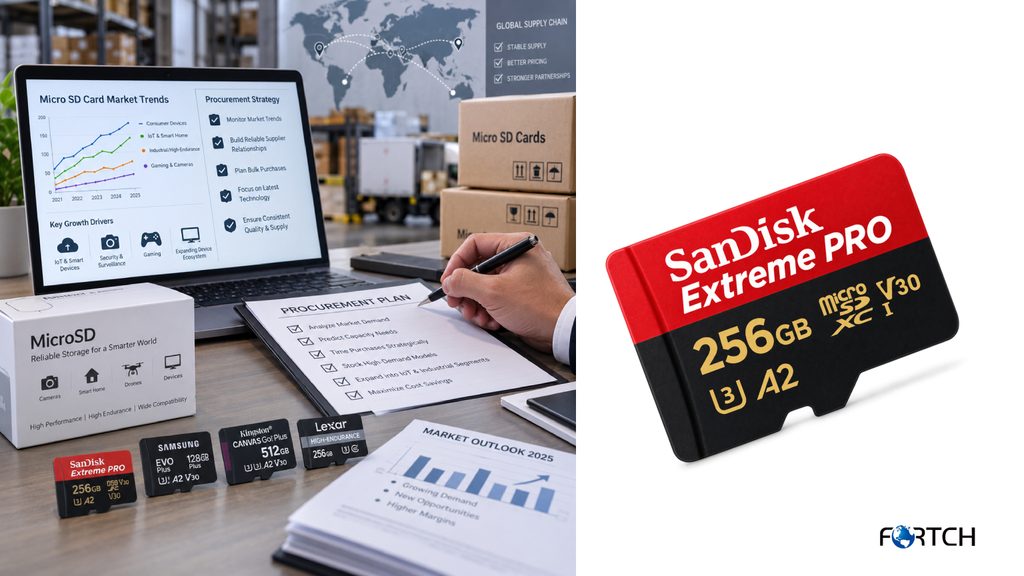
The rise of the Internet of Things (IoT) and smart home devices has also contributed to the diversification of the micro sd card for devices market. These devices often require reliable, continuous storage for security footage or system logs, favoring high-endurance cards over standard consumer models. Wholesalers who recognize this niche demand can tailor their inventory to include industrial-grade storage solutions, thereby expanding their market reach. This segmentation of the market allows for more targeted marketing efforts and higher margins by offering specialized products rather than generic one-size-fits-all solutions.
Moreover, the pricing landscape for flash memory is subject to cyclical fluctuations based on silicon wafer availability and geopolitical factors. Smart procurement strategies involve monitoring these market indicators to time bulk purchases of the micro sd card effectively, maximizing cost savings. Businesses that can anticipate these shifts and stock up on the best micro sd card inventory during market lows will enjoy a distinct competitive advantage. This financial acumen, combined with technical knowledge, is what separates successful distributors from those who struggle with inventory management.
Ultimately, the modern procurement strategy must be holistic, balancing technical specifications with market timing and consumer trends. By focusing on the micro sd card for devices that offers the best blend of performance, durability, and price, businesses can ensure they meet the diverse needs of their clientele. This approach requires constant vigilance and a willingness to adapt inventory based on real-time market feedback. Success in 2025 and beyond belongs to those who view storage not as a commodity, but as a vital, evolving technology sector.
1.2 Which Customization Trends Are Dominating the Industry
Customization has emerged as a key differentiator in the wholesale storage market, allowing brands to elevate their identity through bespoke product offerings. In a saturated market, a generic micro sd card often fails to make an impression, whereas a card featuring a company logo, custom color scheme, or unique packaging can significantly enhance brand recall. Businesses are increasingly seeking manufacturers who offer comprehensive customization services for the best micro sd card products, turning a simple utility item into a powerful marketing tool. This trend is particularly prevalent among corporate clients who purchase storage devices for promotional giveaways or employee use.
Beyond aesthetic branding, functional customization is becoming a critical requirement for specific B2B applications. Many organizations require a micro sd card for devices that comes pre-loaded with proprietary software, encrypted operating systems, or marketing materials. Pre-loading data during the manufacturing process ensures that the end-user has a seamless out-of-the-box experience, which is invaluable for companies launching new hardware products. This level of service transforms the micro sd card from a passive storage unit into an active delivery mechanism for software and digital content, adding considerable value for enterprise clients.
The demand for custom packaging solutions is also shaping the industry, as retailers seek shelf-ready products that stand out in a crowded retail environment. Custom blister packs, eco-friendly boxes, and magnetic closures are just a few options that wholesalers are exploring to enhance the presentation of the best micro sd card offerings. These packaging solutions not only protect the product but also communicate quality and attention to detail to the consumer. For businesses focused on the retail sector, investing in customized packaging for their micro sd card for devices inventory can lead to higher conversion rates and improved brand perception.
Looking ahead, the trend toward personalization is expected to deepen, with advancements in digital printing enabling even more intricate and cost-effective customization options. Manufacturers are now able to produce small batches of custom micro sd card units economically, making this service accessible even to smaller businesses. This democratization of customization allows more brands to offer proprietary storage solutions, fostering a market where unique, branded storage becomes the norm rather than the exception.
1.3 How 2026 Market Insights Will Shape Inventory
As we look toward 2026, market insights suggest a decisive shift toward even higher capacities and faster data transfer protocols in the storage sector. Industry analysts predict that the standard baseline for the best micro sd card will move toward 1TB, with 2TB variants becoming more commonplace as prices for high-density NAND flash continue to drop. For wholesalers, this means that current inventory heavy on lower capacities may soon become obsolete, necessitating a strategic pivot toward higher-capacity micro sd card for devices. Staying ahead of this curve is crucial for maintaining relevance in a market that constantly demands more space for high-resolution media.
The introduction of new speed standards and interface updates will also redefine performance expectations in the coming years. Future iterations of the micro sd card are expected to leverage the PCIe interface to deliver speeds rivaling that of SSDs, catering to the needs of next-gen gaming consoles and 8K video recording devices. Businesses that prepare their supply chains to accommodate these advanced specifications will be well-positioned to capture the early adopter market. Understanding the technical roadmap of the best micro sd card technology allows procurement officers to make informed decisions that future-proof their inventory against rapid obsolescence.
Sustainability is another factor that will influence market dynamics in 2026, with increasing regulatory pressure and consumer preference for eco-friendly electronic components. Forward-thinking manufacturers are already developing micro sd card housings made from recycled plastics and implementing lead-free manufacturing processes to appeal to environmentally conscious buyers. Wholesalers who prioritize sustainable micro sd card for devices can tap into a growing segment of the market that values corporate social responsibility alongside technical performance. This alignment with global sustainability goals not only mitigates risk but also enhances brand reputation.
Finally, the integration of security features directly into the hardware of the micro sd card is anticipated to become a standard requirement for enterprise procurement. With data privacy concerns escalating, the best micro sd card models of 2026 will likely include advanced encryption and secure access control elements built into the controller. For B2B suppliers, understanding these security trends is vital for serving clients in government, finance, and healthcare who demand the highest levels of data protection. Anticipating these shifts ensures that inventory remains aligned with the rigorous standards of the professional market.
2. How Businesses Can Navigate the Evolving Micro SD Landscape
Navigating the complex landscape of modern storage technology requires a deep understanding of both the technical specifications and the logistical challenges of the hardware market. Businesses must look beyond the surface-level specifications of a micro sd card and evaluate the underlying architecture that determines reliability and longevity. This involves scrutinizing the type of NAND flash used, such as TLC or MLC, which significantly impacts the durability of the best micro sd card options available on the market. A thorough technical assessment ensures that the products offered to end-users can withstand the rigors of daily use in various devices.
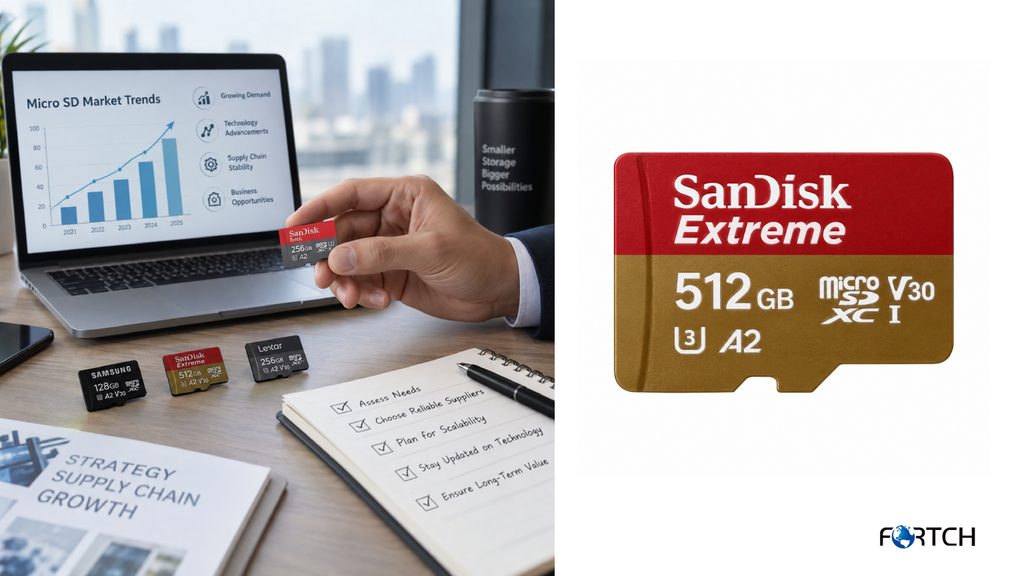
The rapid pace of technological change means that product lifecycles for storage components are becoming shorter, demanding a more dynamic inventory management approach. Wholesalers and retailers must implement agile supply chain strategies to accommodate the frequent updates in micro sd card standards and speeds. This requires close collaboration with manufacturers who provide clear roadmaps and transitional support for new product launches. By maintaining a flexible inventory strategy that can quickly adapt to new micro sd card for devices standards, businesses avoid being stuck with outdated stock that loses value rapidly.
Educating the sales team is another critical aspect of navigating this market, as the technical nuances of storage can be difficult for the average consumer to grasp. A well-informed sales force can articulate the benefits of investing in the best micro sd card, explaining why speed classes and application performance classes matter for specific use cases. This educational approach empowers customers to make better purchasing decisions, leading to higher satisfaction and fewer product returns. When a business demonstrates expertise regarding the micro sd card and its capabilities, it builds trust and authority in the B2B space.
Furthermore, businesses must diversify their supplier base to mitigate risks associated with supply chain disruptions or geopolitical tensions that can affect the availability of flash memory. Relying on a single source for micro sd card inventory can leave a business vulnerable to shortages that can cripple operations. By cultivating relationships with multiple reputable manufacturers and distributors, companies can ensure a consistent flow of micro sd card for devices regardless of external market shocks. This resilience is a key component of a successful strategy in the volatile global electronics market.
2.1 Which Standards Define the Best Micro SD Card Today
Understanding the hierarchy of speed standards is essential for identifying the best micro sd card for any commercial or consumer application. The SD Association has established various speed classes, such as Class 10, UHS Speed Class 1 and 3 (U1, U3), and Video Speed Classes (V30, V60, V90), which dictate the minimum sequential write speeds. For wholesale buyers, ensuring that their inventory of micro sd card units covers a range of these standards is crucial to cater to different user needs, from basic document storage to high-end video production. These standards serve as a reliable baseline for assessing performance capabilities.
The Application Performance Class, specifically A1 and A2, has become increasingly important for users who run applications directly from their storage media. An A2-rated micro sd card ensures better random read/write performance, which is vital for the smooth operation of apps on smartphones or gaming consoles. As the market for the best micro sd card expands into mobile gaming and productivity, stocking A2-rated cards is no longer optional but a necessity for meeting modern performance demands. These ratings help customers easily identify which products are optimized for handling complex operating systems and software.
Bus interfaces, including UHS-I and UHS-II, also play a significant role in determining the maximum potential speed of a micro sd card. While UHS-I is sufficient for most mainstream uses, professional devices often benefit from the additional bandwidth provided by UHS-II interfaces. Wholesalers must clearly distinguish between these interfaces in their product listings to prevent compatibility issues and ensure customers find the right micro sd card for devices they own. Clarifying these technical details reduces confusion and enhances the overall customer experience by aligning product capabilities with device requirements.
Capacity standards have also evolved, with the SDXC (Secure Digital eXtended Capacity) format supporting cards up to 2TB. The industry is gradually moving away from lower-capacity SDHC cards as the price per gigabyte continues to fall, making higher capacity the new norm. For businesses stocking the best micro sd card, focusing on SDXC capacities ranging from 128GB to 1TB offers the best balance of market demand and future-proofing. This focus ensures that the inventory remains relevant as file sizes for applications and media files continue to grow unabated.
2.2 Why Customization Matters for Wholesale Buyers
Customization in the wholesale sector goes far beyond simply placing a logo on a product; it is about creating a unique value proposition that resonates with specific market segments. For a B2B buyer, the ability to order a customized micro sd card allows them to tailor their offerings to the exact needs of their clients, whether they are system integrators or large retailers. This bespoke approach can include specific firmware tweaks, such as disabling write-protect features or customizing the partition structure for industrial micro sd card for devices applications. Such technical customization adds layers of utility that generic off-the-shelf products cannot match.
Branding consistency is a major driver for customization, as companies strive to reinforce their identity through every touchpoint with the customer. A customized micro sd card that features corporate colors and logos serves as a tangible reminder of the brand every time the user accesses their data. This is particularly effective for the best micro sd card products included in bundled sales, such as with drones or action cameras, where the accessory enhances the perceived value of the main product. Strong branding through accessories helps companies differentiate themselves in a market where hardware specifications are often similar across competitors.
Customization also addresses specific regional or regulatory requirements that may affect the sale and use of electronic components. In certain markets, a micro sd card may need to comply with specific packaging regulations or include certifications printed directly on the label. Wholesale buyers who work closely with manufacturers to meet these custom requirements ensure smooth logistics and compliance in their target markets. Offering a micro sd card for devices that is fully compliant and localized reduces friction in the sales process and builds confidence with regulatory bodies and end-users alike.
Furthermore, providing customization options fosters stronger relationships between wholesalers and their clients, as it demonstrates a commitment to meeting unique needs rather than pushing a standard catalog. When a supplier invests in creating a custom micro sd card solution, it signals a partnership mentality that can lead to long-term contracts and customer loyalty. This strategic use of customization turns a commodity product into a specialized solution, allowing wholesalers to command better margins and secure a more stable market position amidst fierce competition.
2.3 How 2026 Market Insights Will Influence Bulk Purchases
The year 2026 is poised to bring significant shifts in the economics of flash memory production, which will directly impact bulk purchasing strategies. Advances in 3D NAND layering technology are expected to lower the manufacturing cost per terabyte, making high-capacity storage more affordable than ever before. For wholesale buyers, this means that bulk purchasing strategies should increasingly focus on acquiring the best micro sd card options with higher storage densities, as the price gap between mid-range and high-end capacities narrows. Capitalizing on these economic shifts allows businesses to offer superior value to their customers while maintaining healthy profit margins.
Market insights also suggest a consolidation of component manufacturers, which may lead to more streamlined supply chains but also less negotiating power for smaller buyers. In this environment, forming buying consortia or entering into long-term supply agreements for micro sd card inventory becomes a prudent strategy to secure volume pricing. These preemptive measures ensure that businesses can continue to offer competitive pricing on the micro sd card for devices even if market tightness occurs. Strategic partnerships formed now will be the bedrock of supply chain resilience in the coming years.
Consumer behavior in 2026 is predicted to favor premium, long-lasting products over disposable, low-cost options, driven by a growing awareness of electronic waste. This shift in sentiment will influence bulk purchases, necessitating a move toward the best micro sd card models that emphasize durability, warranty support, and high-endurance components. Wholesalers who adjust their procurement to include these premium, sustainable micro sd card options will align their inventory with the evolving ethical standards of the consumer base. This alignment not only satisfies customer demand but also mitigates the risk associated with product failure and returns.
Finally, the rise of direct-to-consumer sales models in the electronics space will force wholesalers to rethink how they package and market their bulk purchases. To remain relevant, the micro sd card must be presented in ways that appeal to both online marketplaces and brick-and-mortar retail channels. This dual-channel approach requires versatile packaging and robust digital marketing assets that accompany the physical product. Adapting to these commercial realities ensures that bulk purchases of micro sd card for devices translate into rapid turnover and sustained sales growth across multiple platforms.
3. Which Use Cases Require Specific Micro SD Card Features
Different devices and applications impose unique demands on storage technology, making it essential to match the specific features of a micro sd card to the intended use case. While a standard card may suffice for basic file storage, high-performance scenarios such as 4K video recording or running modern mobile games require advanced specifications. Understanding these distinctions is critical for businesses recommending the best micro sd card to their clients, as the wrong choice can lead to poor performance, data corruption, or device incompatibility. A nuanced approach to product selection ensures that end-users achieve optimal performance from their electronics.
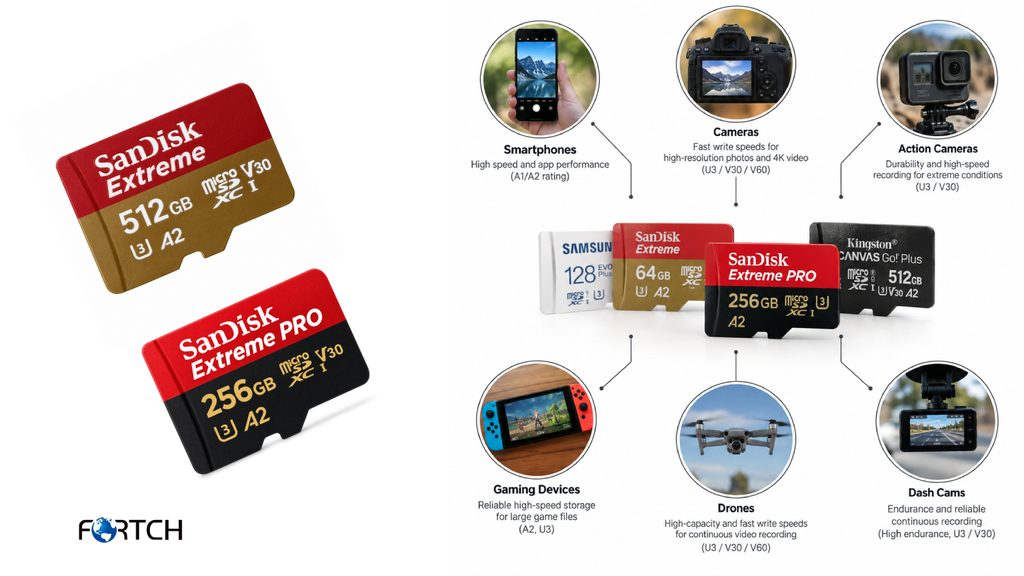
For professional photographers and videographers, the priority is sustained write speeds that prevent buffering during high-speed bursts or long video recordings. These professionals require a micro sd card that meets V30 or V60 video speed standards to ensure smooth data capture without dropped frames. The reliability of the best micro sd card in this context is paramount, as a single failure can result in the loss of irreplaceable content. Wholesalers catering to the professional imaging market must therefore prioritize performance and reliability over cost, offering products that guarantee consistency under pressure.
In the realm of gaming, the storage medium plays a crucial role in load times and system responsiveness. Gamers utilizing a micro sd card for devices like the Nintendo Switch or Steam Deck need high random I/O read speeds, which are best served by A2-rated cards. These cards minimize texture pop-in and reduce waiting times, significantly enhancing the gaming experience. Stocking the best micro sd card for gaming involves focusing on low-latency models that can handle the rapid, random data access patterns inherent in modern gaming applications, distinguishing them from cards designed primarily for sequential video recording.
Industrial and automotive applications present a different set of challenges, often requiring extreme durability and temperature tolerance. A micro sd card used in a dashboard camera or industrial sensor must withstand harsh environmental conditions, including high heat, constant vibration, and potential moisture ingress. For these use cases, high-endurance micro sd card for devices that are designed with ruggedized housings and advanced error correction are essential. By addressing these specialized needs, businesses can penetrate high-value industrial markets that require robust and reliable storage solutions capable of operating in unforgiving environments.
3.1 Why High-Speed Micro SD Cards are Critical for Gaming Devices
The modern gaming landscape has shifted toward expansive open worlds and high-fidelity textures, resulting in game file sizes that can easily exceed 100GB. Consequentially, the internal storage of gaming consoles and handhelds is quickly exhausted, making the expansion via a micro sd card a necessity for most gamers. However, simply adding storage is not enough; the card must possess high-speed data transfer capabilities to ensure that the vast libraries of data can be accessed rapidly. The best micro sd card for gaming acts as an extension of the system’s internal memory, requiring minimal latency to maintain immersion.
Speed ratings, particularly the Application Performance Class 2 (A2), are vital because gaming involves a multitude of small file reads and writes rather than large sequential transfers. An A2-rated micro sd card maintains a high level of random I/O operations, which directly translates to faster game loading and smoother gameplay. When a gamer uses a substandard card, they may experience stuttering or lag, which detracts significantly from the user experience. Therefore, retailers and wholesalers must emphasize the importance of speed classes when guiding customers toward a micro sd card for devices used for gaming, ensuring compatibility with performance-hungry titles.
Furthermore, the architecture of modern gaming handhelds relies on the storage medium to feed the GPU efficiently. If the micro sd card cannot keep up with the data demands of the processor, the system is forced to throttle performance, leading to a degradation in visual fidelity or frame rates. This bottleneck issue is why the best micro sd card options for gaming often utilize UHS-II interfaces or advanced controller technology to maximize throughput. Investing in high-performance storage is thus not merely about capacity but about preserving the overall performance integrity of the gaming device itself.
For B2B clients in the gaming accessory sector, offering bundles that include high-speed, high-capacity micro sd card units provides a complete solution for the end consumer. This approach simplifies the buying process and ensures that the user has the right hardware from the start. As the gaming industry continues to push technical boundaries, the requirement for faster, more reliable external storage will only grow, cementing the high-speed micro sd card for devices as an essential accessory for the serious gamer.
3.2 How Professional Photographs Depend on Reliable Storage
Professional photography, particularly in formats like RAW and 4K video, generates massive amounts of data that must be written to the storage card very quickly. A slow or unreliable micro sd card can cause the camera’s buffer to fill up, forcing the photographer to pause shooting and potentially miss decisive moments. In fast-paced environments such as sports photography or wildlife documentation, the best micro sd card is one that offers relentless write speeds, ensuring the camera is always ready to capture the next shot. Reliability in these scenarios is not a luxury; it is a professional necessity.
Data integrity is another paramount concern for professionals who cannot afford to lose hours of work due to card failure. High-quality micro sd card units for professional use often feature advanced error correction code (ECC) and wear-leveling algorithms to prolong the lifespan of the memory cells. These features protect against data corruption, which can occur if the card is ejected improperly or if a memory sector fails. For B2B buyers servicing the creative industry, stocking these professional-grade micro sd card for devices is crucial for building a reputation for quality and reliability among discerning professional clients.
The capacity needs of professionals are also escalating, with the advent of 8K video and high-resolution burst photography. A single shoot can easily consume hundreds of gigabytes of space, necessitating micro sd card options that offer 1TB or more of storage. However, professionals often prefer to carry multiple smaller-capacity cards rather than a single large one to mitigate the risk of total data loss. This buying behavior creates a consistent demand for bulk packs of the best micro sd card in capacities ranging from 64GB to 256GB, allowing wholesalers to structure their inventory to match these specific purchasing patterns.
Moreover, the recovery of data is a significant consideration in the professional sphere. Premium micro sd card brands often include proprietary data recovery software, providing a safety net should the worst happen. This added value is a strong selling point for B2B customers who want to offer comprehensive solutions to their professional clientele. By understanding the rigorous demands of professional photography, businesses can curate a selection of micro sd card for devices that addresses the core needs of speed, reliability, capacity, and data security.
3.3 Which Storage Solutions Best Fit Modern Smartphones
Modern smartphones have become the primary hub for media consumption, content creation, and application usage for billions of users worldwide. While high-end phones often offer generous internal storage, the increasing size of applications and media files quickly fills these capacities. A micro sd card provides a cost-effective way to expand this storage, allowing users to keep their entire photo libraries, music collections, and movie downloads without deleting files. For many users, the best micro sd card is the one that seamlessly integrates with their phone’s operating system, offering expanded space without sacrificing performance.
One of the key considerations for smartphone storage is the adoptable storage feature (Flex Storage) found in certain Android operating systems. This feature allows the micro sd card to be formatted as internal storage, enabling apps to be installed and run directly from the card. To support this functionality, the micro sd card for devices must be fast and durable, specifically meeting the A1 or A2 application performance standards. Wholesale buyers must highlight these compatibility features to ensure consumers purchase cards that are capable of functioning as extended internal memory rather than just portable media storage.
Durability is also a significant factor for smartphone users who are constantly on the move. A micro sd card used in a phone is susceptible to being dropped, exposed to moisture, or subjected to extreme temperatures in a car. The best micro sd card models for this use case are often waterproof, temperature-proof, shockproof, and X-ray-proof, matching the ruggedness of modern smartphones. Highlighting these durability specs in marketing materials helps consumers understand the value proposition of higher-end cards compared to fragile, low-cost alternatives.
From a B2B perspective, the smartphone accessory market is volume-driven, with high turnover rates. Retailers benefit from offering micro sd card options that are packaged specifically for mobile users, perhaps including a full-size SD adapter for convenient file transfer to PCs. By addressing the specific workflow of smartphone users who capture and share content constantly, businesses can position the micro sd card for devices as an essential tool for the mobile lifestyle. This alignment with consumer habits drives sales and reinforces the utility of expandable storage in an era of cloud-based limitations.
4. How to Leverage Wholesale and Customization for Maximum ROI
Maximizing Return on Investment (ROI) in the competitive storage market requires a strategic approach that leverages both bulk purchasing power and value-added customization. Buying a micro sd card at wholesale prices is the foundation of profitability, but the real gains are achieved by differentiating the product to command a higher margin. This can be accomplished through bundling, branding, or offering pre-configured content that turns a commodity item into a specialized solution. By focusing on the best micro sd card offerings that can be enhanced through these methods, businesses can significantly increase their revenue per unit.
Effective inventory management is critical to ensuring that capital tied up in stock does not erode profits. Analyzing sales velocity data helps businesses determine the optimal mix of capacities and speed classes for their micro sd card inventory. Overstocking on outdated specifications can lead to heavy discounting, while understocking on high-demand items results in missed sales opportunities. A dynamic approach to managing the micro sd card for devices stock, informed by real-time market trends, ensures that inventory turnover remains high and storage costs remain low, directly impacting the bottom line positively.
Building strong relationships with manufacturers is another lever for maximizing ROI, as it can lead to exclusive deals, early access to new products, or better payment terms. When a wholesaler is a preferred partner for a micro sd card producer, they may gain access to limited-run customization options or preferential allocation during supply shortages. These advantages allow the business to offer unique products, such as the best micro sd card with exclusive branding or features, that competitors cannot source. This exclusivity creates a protective moat around the business’s market share, preserving profitability in the long run.
Marketing plays a pivotal role in realizing the potential ROI of a storage product lineup. Effectively communicating the technical benefits and customization options of a micro sd card to potential B2B clients justifies premium pricing. Educational content that explains the cost of ownership and reliability of high-quality cards versus cheap alternatives helps business buyers make informed decisions. By positioning the micro sd card for devices as a reliable, high-performance investment rather than a cheap component, businesses can shift the conversation from price to value, safeguarding their margins even in price-sensitive markets.
4.1 Why Partnering with Reliable Manufacturers Ensures Quality
The storage market is unfortunately rife with counterfeit and low-quality products that degrade quickly or fail to meet their advertised capacity specifications. Partnering with reputable manufacturers is the only way to guarantee that the micro sd card units being sold are genuine and meet performance claims. A reliable manufacturer sources high-grade NAND flash memory and subjects every micro sd card to rigorous testing protocols before shipment. This commitment to quality control protects the wholesaler’s reputation and prevents the costly returns and warranty claims that arise from selling subpar components.
Authenticity is a major concern for end-users, particularly when purchasing the best micro sd card for professional use. A single negative experience with a fake card can permanently damage a retailer’s relationship with a corporate client. Established manufacturers often provide serialization and verification tools that allow buyers to authenticate their micro sd card inventory. By utilizing these tools and promoting them to customers, businesses build a layer of trust and transparency that differentiates them from shady marketplaces selling unverified goods. This trust is a valuable asset in the B2B world, where reliability is paramount.
Consistency in supply is another hallmark of a reliable manufacturing partner. Fluctuations in the quality of the micro sd card can disrupt a business’s operations and confuse customers who expect uniform performance. A top-tier manufacturer maintains strict standards across all production batches, ensuring that a micro sd card for devices purchased today performs identically to one purchased six months from now. This consistency allows businesses to confidently market their products and support them with accurate specifications, reducing the administrative burden of managing variable product qualities.
Furthermore, established manufacturers invest in research and development, continuously improving the technology of the micro sd card. By aligning with these innovators, wholesalers gain early access to faster, larger, and more efficient storage solutions. Being the first to market with the best micro sd card innovations provides a significant competitive edge, allowing businesses to capture early adopters and tech enthusiasts. This forward-looking partnership ensures that the product portfolio remains cutting-edge and relevant, rather than stagnating with older technologies.
4.2 Which Customization Options Increase Brand Visibility
Custom branding on the physical micro sd card is one of the most direct ways to increase brand visibility. When a user removes the card from their device, the logo on the label serves as a constant reminder of the brand that provided the storage solution. For B2B clients, such as system integrators or OEMs, having their own branding on the micro sd card reinforces their standing as a comprehensive solution provider rather than just a reseller of components. This subtlety builds brand equity over time and creates a professional impression that resonates with end-users.
Packaging customization offers another powerful avenue for enhancing brand presence on the retail shelf. Custom boxes, blister packs, and inserts allow businesses to convey their brand message through design, color, and informative content. When the best micro sd card is housed in premium, custom-designed packaging, it signals quality to the consumer and justifies a higher price point. For retailers, this packaging consistency helps in creating a cohesive brand block within the store, improving visual merchandising and attracting more attention to the micro sd card for devices display.
Digital customization, such as pre-loading the card with marketing materials, catalogs, or auto-launching software, provides a unique opportunity for engagement. When a customer inserts a customized micro sd card into their computer or phone, they can be immediately greeted with the brand’s digital content. This is particularly effective for promotional giveaways or corporate training materials, where the micro sd card acts as a delivery vehicle for the brand’s message. This interactive element significantly increases the exposure and retention of the brand’s information compared to traditional printed media.
Finally, offering specialized customization services, such as unique color combinations or even different housing materials like metal, can make a micro sd card stand out in a sea of black plastic. A gold or silver metal card exudes luxury and durability, appealing to high-end market segments. By diversifying the customization options available for the best micro sd card, businesses can cater to niche markets willing to pay a premium for distinctiveness. These bespoke products become talking points and generate word-of-mouth marketing, further amplifying brand visibility beyond the initial point of sale.
4.3 How Bulk Purchasing Strategies Can Optimize Inventory Costs
Bulk purchasing is the cornerstone of cost optimization in the wholesale electronics sector, allowing businesses to acquire the micro sd card at significantly lower unit prices. By consolidating orders and purchasing larger volumes, wholesalers can negotiate better terms with suppliers, directly reducing the cost of goods sold (COGS). These savings can either be passed on to customers to gain market share or retained to improve profit margins. Strategic planning of micro sd card for devices procurement involves forecasting demand accurately to place bulk orders that align with sales cycles, minimizing the need for costly rush orders.
Volume tiering is a common strategy where the price per unit decreases as the order quantity increases. Businesses can leverage this by committing to larger annual volumes of the best micro sd card across various categories to unlock the lowest pricing tiers. Even if the warehouse space is limited, utilizing drop-shipping arrangements or just-in-time delivery schedules negotiated with the manufacturer can facilitate large volume purchases without the burden of excessive storage costs. This approach maximizes the financial benefits of bulk buying while maintaining operational efficiency.
Analyzing historical sales data helps in identifying the “sweet spot” capacities and speeds that sell most rapidly, allowing for targeted bulk purchasing. Instead of spreading the budget thinly across every conceivable variation of a micro sd card, smart buyers focus their bulk investment on the SKUs that represent 80% of their sales volume. This concentration of capital on high-turnover items improves cash flow and reduces the risk of inventory obsolescence. Keeping the micro sd card for devices inventory lean and focused on proven winners is a key tactic for financial health.
Additionally, participating in group buying organizations or industry consortia can amplify the purchasing power of smaller businesses, granting them access to bulk pricing usually reserved for large conglomerates. By pooling orders with other non-competing businesses for the best micro sd card products, smaller wholesalers can enjoy the same economies of scale. This collective bargaining strategy democratizes access to low-cost inventory, enabling smaller players to compete effectively on price against larger competitors, ensuring a diverse and healthy market ecosystem.
5. Why Selecting the Right Micro SD Card Partner is a Strategic Imperative
In the rapidly evolving digital economy, the choice of a storage supply partner is not merely a logistical decision but a strategic imperative that can define the success of a business. The right partner provides more than just a commodity micro sd card; they offer a pathway to technological leadership, market differentiation, and customer satisfaction. As devices become more sophisticated and data demands increase, the best micro sd card solutions will come from suppliers who understand the intricacies of the market and can deliver consistent quality and innovation. Selecting a partner that aligns with the business’s long-term goals is crucial for sustainable growth.
A strategic partner helps navigate the complex technical landscape, offering insights into which specifications and standards are gaining traction and which are fading. This guidance is invaluable for inventory planning and ensures that the business is always stocked with the most relevant micro sd card for devices. Instead of reacting to market changes after the fact, a proactive partner equips the business with the foresight needed to capitalize on emerging trends, such as the shift toward high-capacity, high-speed cards for gaming and professional use. This forward-looking perspective is a competitive advantage.
Moreover, the reputational risk associated with selling faulty or counterfeit storage is significant. A trustworthy partner acts as a gatekeeper, ensuring the authenticity and reliability of every micro sd card supplied. They stand behind their products with robust warranties and responsive support, mitigating the risks for the wholesaler and retailer. By securing a supply of the best micro sd card from a reputable source, a business protects its brand equity and fosters long-term loyalty with its customers, who rely on the performance and durability of the products they purchase.
Ultimately, the right partnership extends beyond the transaction; it involves a collaborative approach to customization, marketing, and supply chain optimization. A partner who is invested in the business’s success will work to provide bespoke micro sd card solutions, flexible financing, and logistical support. As the market heads toward 2026 and beyond, these collaborative relationships will be the foundation of success, enabling businesses to thrive in a competitive environment driven by data and speed. The choice of partner is, therefore, a defining element of future business strategy.
Conclusion
As we navigate the technological landscape of 2025 and look toward the innovations of 2026, the role of the micro sd card remains pivotal in the functionality of modern electronics. From enhancing gaming experiences to safeguarding professional media, the right storage solution is a key differentiator for device performance. For B2B buyers, focusing on the best micro sd card options that offer high speed, reliability, and customization potential is essential for capturing market share and driving revenue. By aligning with reputable manufacturers and staying attuned to emerging trends, businesses can leverage these small yet powerful components to build lasting customer relationships and achieve sustained growth in the digital age.
Frequently Asked Questions
1. What capacity micro SD card is best for 2025?
For 2025, a minimum of 128GB is recommended for general use, while gamers and professionals should opt for 512GB or more. This ensures sufficient space for high-res media and large applications.
2. Why is speed important for gaming micro SD cards?
High-speed cards with A2 ratings reduce game load times and prevent lag by enabling faster random read/write operations. This ensures smooth gameplay performance on handheld consoles.
3. What are the benefits of buying micro SD cards wholesale?
Wholesale purchasing significantly lowers the cost per unit, allowing businesses to increase their profit margins on sales. It also secures a steady supply chain during periods of high demand.
4. What customization options are available for bulk orders?
Businesses can customize cards with their logo, pre-loaded software, or unique packaging to enhance brand visibility. Custom partitions and specific firmware tweaks are also available for specialized needs.
5. How can I ensure I am buying high-quality micro SD cards?
Partnering with reputable manufacturers who use high-grade NAND flash and offer verification tools ensures product authenticity. Reliable suppliers provide warranties and rigorous testing to prevent data corruption.
6. Which micro SD card is best for professional photography?
Photographers should look for V30 or V60 video speed class cards that offer sustained write speeds for burst shooting. These standards ensure smooth 4K video recording and prevent buffer issues.
7. What is the difference between A1 and A2 application performance classes?
A2 cards offer higher random I/O speeds than A1, making them better for running apps directly from the storage. This results in faster launching and multitasking on smartphones and gaming devices.
8. How will the market change by 2026?
By 2026, the market will shift toward 2TB capacities and integrated security features like hardware encryption. Sustainability and eco-friendly manufacturing will also become key priorities for buyers.
9. Can I use a micro SD card as internal phone storage?
Yes, many Android devices support adoptable storage, but it requires a high-speed, durable card formatted as internal memory. Using A2-rated cards ensures the best performance for this function.
10. What specific features do industrial micro SD cards need?
Industrial cards require high endurance to withstand constant writing and rugged housings to resist extreme temperatures and shock. They are designed for reliability in demanding environments like dashcams and IoT sensors.