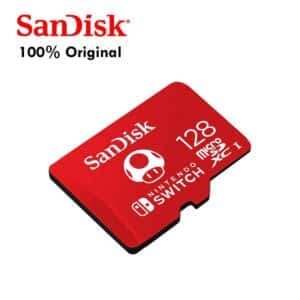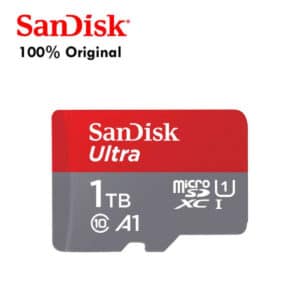

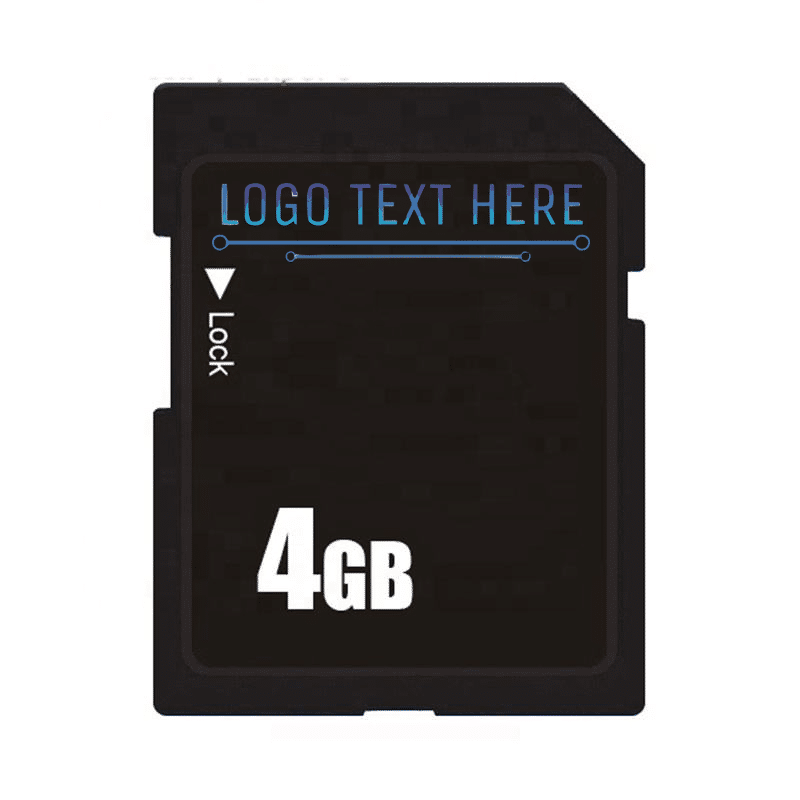
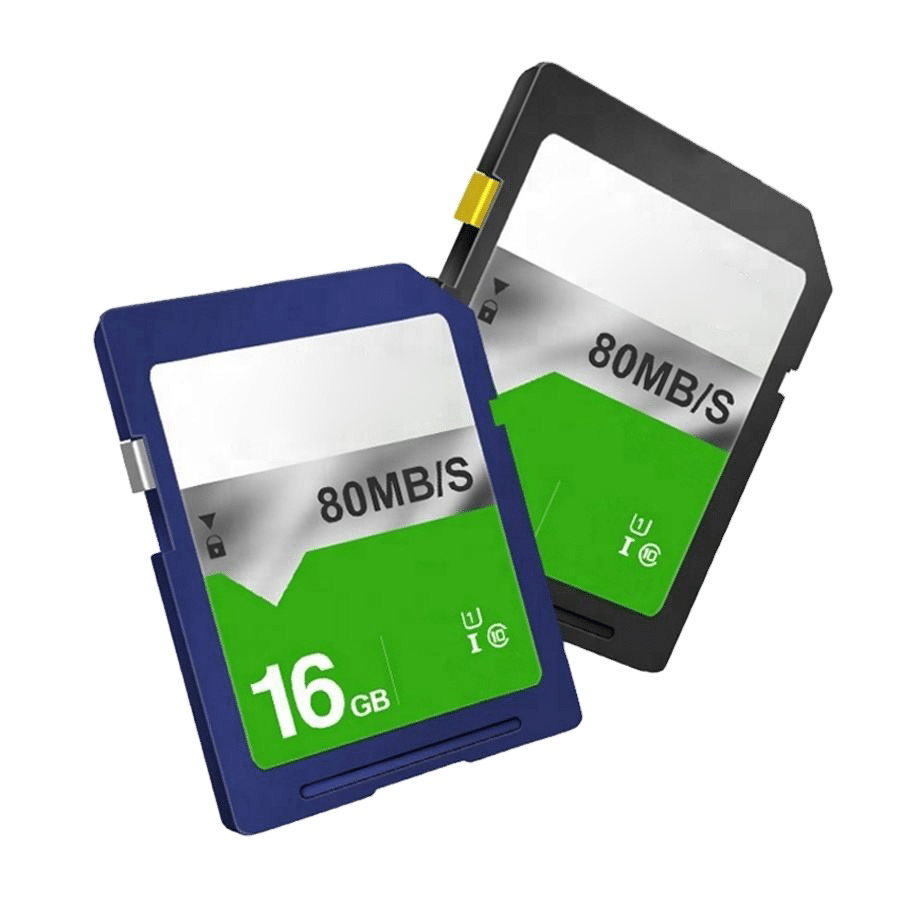
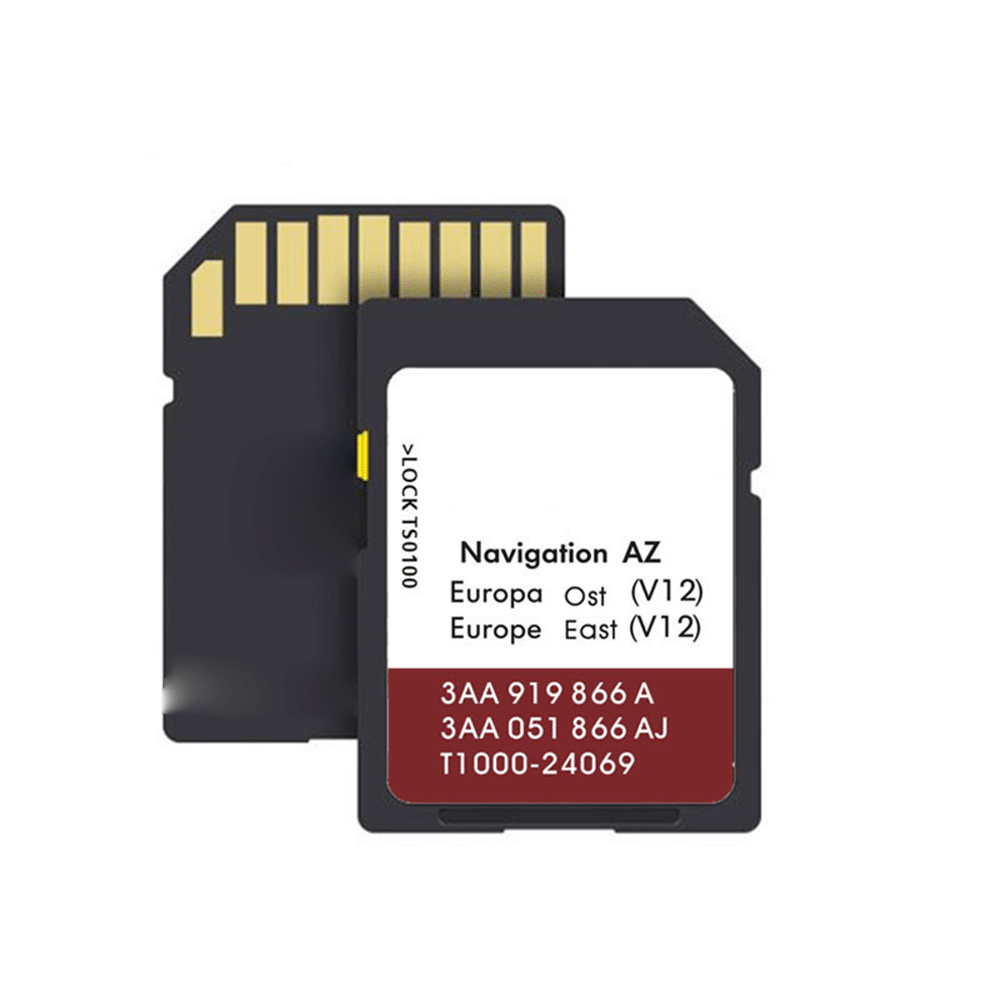
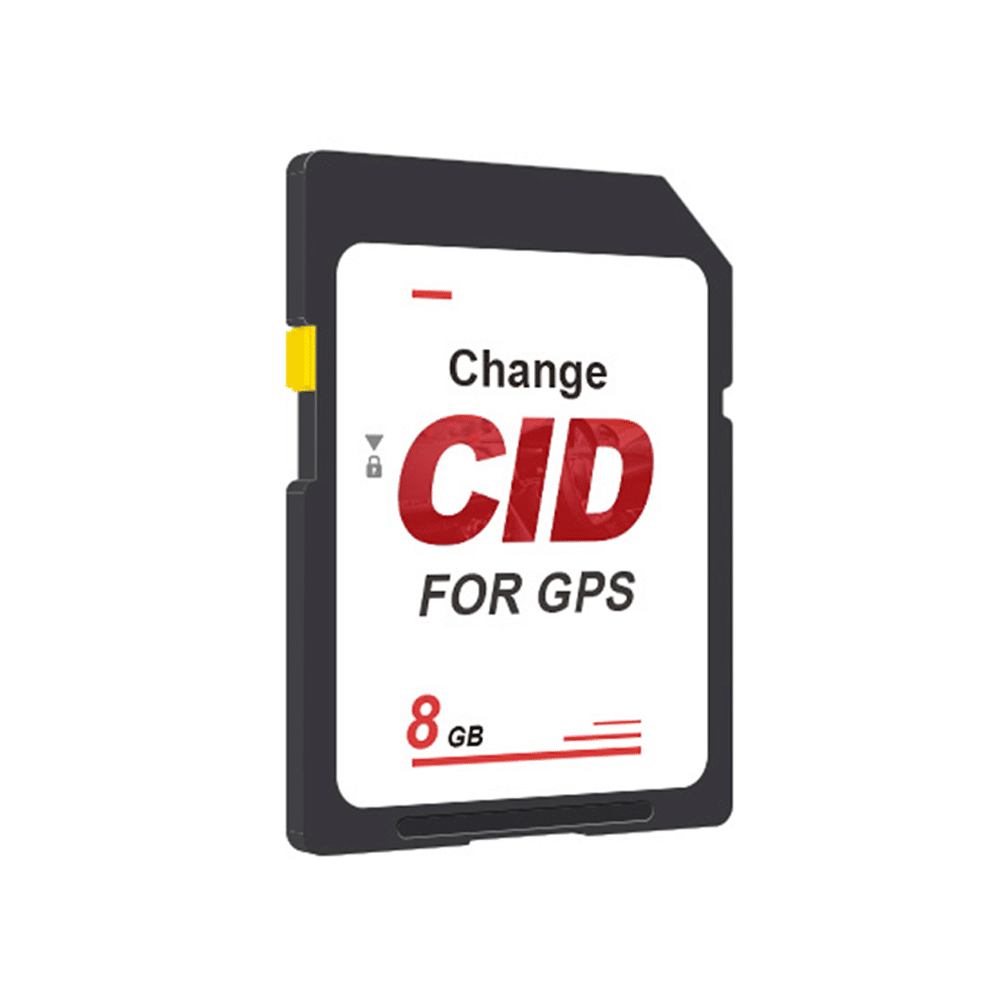
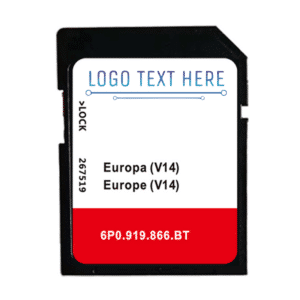
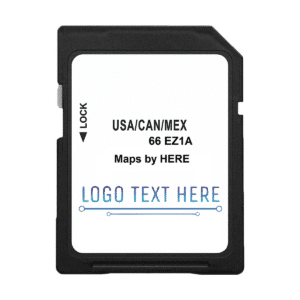
Best Update Software CID GPS Maps Car Navigation Sandisk Card Reader
- Bulk Supply for Wholesalers (500+ MOQ Ready): Designed for B2B procurement teams sourcing SD storage solutions at scale, this update software CID card ensures stable supply chain continuity for distributors, resellers, and OEM navigation system integrators requiring consistent sandisk card and sd card inventory.
- High-Speed Navigation Data Performance: Built for fast GPS map updates with UHS-I/UHS-3 performance, ensuring quick data writing and reading through sandisk card reader or USB 3.0 interfaces. Ideal for automotive navigation system manufacturers requiring efficient firmware and map deployment.
- Custom CID Lock for Automotive Systems: Engineered with customized CID functionality to support secure car navigation firmware binding. Perfect for OEM factories and wholesalers who require locked sd card solutions for GPS systems and automotive infotainment devices.
- Enterprise-Grade Durability & Reliability: Shockproof, waterproof, and temperature-resistant design ensures long-term operational stability. Suitable for industrial automotive environments where sandisk card-based navigation storage must withstand harsh logistics and field conditions.
- Multi-Device & Cross-Industry Compatibility: Compatible with dash cams, GPS systems, laptops, and multimedia devices. Works seamlessly with sandisk card reader modules, making it a flexible wholesale sd card solution for distributors serving multiple electronics industries.
Who Is This Product Designed For?
The Update Software CID GPS Maps Car Navigation Sandisk Card Reader solution is specifically engineered for B2B wholesale distributors, automotive electronics manufacturers, and GPS navigation system integrators. These buyers typically operate in high-volume procurement cycles, often placing bulk orders starting from 500 pieces to several thousand units per batch. For them, consistency, compatibility, and long-term supply stability are more important than retail-level branding.
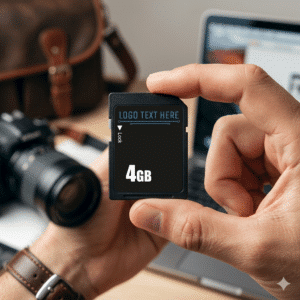
In most cases, these buyers are sourcing sd card storage solutions for integration into car navigation systems, aftermarket GPS devices, dash cams, and industrial tracking systems. They require a reliable sandisk card or equivalent storage platform that supports firmware locking (CID customization) and long-term data reliability. This product is designed specifically for such industrial buyers who cannot risk system failure in deployed devices.
Many procurement managers also work with OEM/ODM factories that need a customizable sd card solution compatible with sandisk card reader workflows during mass production testing. These companies demand standardized performance across batches, ensuring that each sandisk card behaves identically when flashed with navigation software or GPS map data.
Additionally, distributors in emerging markets such as automotive aftermarket resellers, fleet management solution providers, and GPS upgrade service companies benefit from this product because it ensures scalable supply with predictable cost structure, reducing procurement risks in long-term contracts.
What Exactly Is This Product in B2B Terms?
From a manufacturing perspective, this product is not just a simple sd card—it is a CID-locked navigation storage solution designed for embedded GPS ecosystems. It supports firmware-level compatibility with automotive navigation systems that require secure and non-volatile map storage.
Unlike standard consumer storage devices, this sandisk card alternative is built for system-level integration, meaning it can be used for mass deployment in navigation devices where map data integrity is critical. It works seamlessly with card reader systems used in factory flashing, testing, and firmware updates.
In B2B procurement terms, this sd card functions as a data distribution medium for GPS software deployment, allowing manufacturers to preload navigation maps, firmware updates, and regional routing databases before shipping devices to end customers. This eliminates post-sale configuration costs.
The product also supports high-speed read/write cycles, making it ideal for OEM production lines that rely on card reader tools for rapid duplication of navigation images. Its architecture ensures stable performance even under repetitive write operations common in industrial environments.
When Should Businesses Use This Product?
This sd card solution is typically deployed during three key stages of the automotive electronics lifecycle: manufacturing, distribution, and post-sale navigation updates. OEM factories use it during production to load firmware and GPS map data before device assembly is completed.
Wholesalers and distributors often integrate this sandisk card into their supply chain when preparing seasonal bulk shipments or regional GPS map updates, especially when road networks or navigation data require frequent updates. The product ensures minimal downtime during large-scale deployment cycles.
It is also widely used when automotive companies release new vehicle models or infotainment system upgrades, requiring synchronized sd card-based navigation systems. At this stage, card reader tools are used in production lines to flash updated map versions efficiently.
In aftermarket scenarios, service providers deploy this solution when offering GPS system upgrade services, allowing end-users to refresh outdated navigation data without replacing the entire system. This creates recurring demand opportunities for wholesale buyers.
Where Is This Product Applied?
This product is widely used across global automotive manufacturing hubs, electronics OEM factories, and GPS system integration centers. Major application regions include Asia-Pacific manufacturing clusters, Middle East automotive distributors, and European aftermarket navigation providers.
In factory environments, it is integrated into production lines using sandisk card reader stations for firmware loading and quality testing. Each sd card is verified for consistency before installation into navigation devices, ensuring zero defect tolerance in mass production.
It is also deployed in logistics and distribution centers where GPS devices are pre-configured for regional markets. The sandisk card format allows easy duplication and localization of map data for different countries and road systems.
Additionally, fleet management companies and commercial transport operators use this sd card in tracking systems and navigation terminals, ensuring real-time routing accuracy and operational efficiency across large vehicle fleets.
Why Choose This Solution Over Standard SD Cards?
The primary advantage of this solution is its CID customization capability, which is not available in standard retail sd card products. This allows OEM manufacturers to lock firmware and prevent unauthorized duplication, a critical requirement in navigation system security.
Compared to generic sandisk card products, this solution provides higher stability under industrial workloads, making it suitable for continuous write operations during GPS map deployment and testing. It significantly reduces failure rates in mass production environments.
Another key advantage is its compatibility with card reader infrastructure, allowing seamless integration into existing factory workflows without additional hardware investment. This reduces operational costs for manufacturers and wholesalers.
From a procurement perspective, this sd card solution offers predictable pricing, stable supply chain availability, and scalable customization options, making it highly attractive for businesses managing long-term OEM contracts or large retail distribution networks.
How Does the Product Work in Manufacturing & Deployment?
In a typical OEM factory workflow, the sandisk card is first formatted and configured using a card reader connected to industrial flashing systems. GPS firmware and map datasets are then loaded onto the card according to regional specifications.
Once data loading is complete, CID locking is applied to ensure system-level binding between the sd card and the navigation device. This prevents unauthorized duplication and ensures device-specific compatibility during installation.
During assembly, the card is inserted into car navigation units where it functions as the primary storage medium for GPS software. The system reads map data directly from the sd card during operation, ensuring real-time navigation accuracy.
Finally, quality control teams verify performance using sandisk card reader diagnostic tools, ensuring that each unit meets strict OEM standards before shipment to distributors or end customers.
Technical Specifications
| Specification | Details |
|---|---|
| Product Type | SD / SDXC Navigation CID Card |
| Storage Capacity | 32GB (Customizable for bulk orders) |
| Speed Class | UHS-I / UHS-3 |
| Read Speed | Up to 100MB/s |
| Compatibility | Car GPS, Dash Cam, Laptop, Navigation Systems |
| CID Function | Custom OEM Firmware Lock Supported |
| File System | FAT32 / exFAT |
| Operating Temp | -25°C to 85°C |
| Durability | Shockproof, Waterproof, Temperature Resistant |
| Reader Support | Sandisk Card Reader / USB 3.0 / Wireless Reader |
| Application | GPS Maps, Firmware Storage, Automotive Navigation |
| MOQ | 500+ Units (Wholesale Focus) |
| Packaging | OEM Custom Packaging Available |
How Much Cost Structure, MOQ & B2B Commercial Value
This product is structured for wholesale pricing models, making it highly cost-effective for bulk procurement above 500 units. Pricing varies based on customization level, CID locking requirements, and branding needs for OEM clients.
For standard sd card configurations, cost efficiency improves significantly at higher volumes, allowing distributors to maintain competitive margins in regional markets. OEM customization may include preloaded navigation software, branding, or firmware encryption.
The use of sandisk card reader-based factory workflows reduces operational costs by simplifying production line integration, minimizing the need for additional hardware investments or training.
Overall, this solution provides strong ROI for wholesalers and OEM buyers, combining low unit cost with high industrial reliability and long-term supply stability.