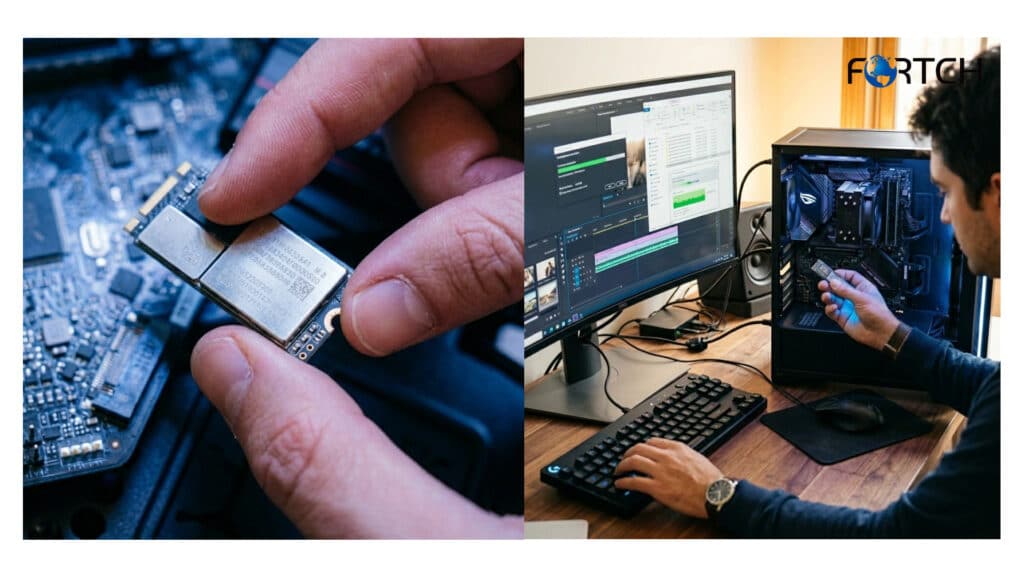

Why Some Laptop SSDs Have Longer Warranties Than Others

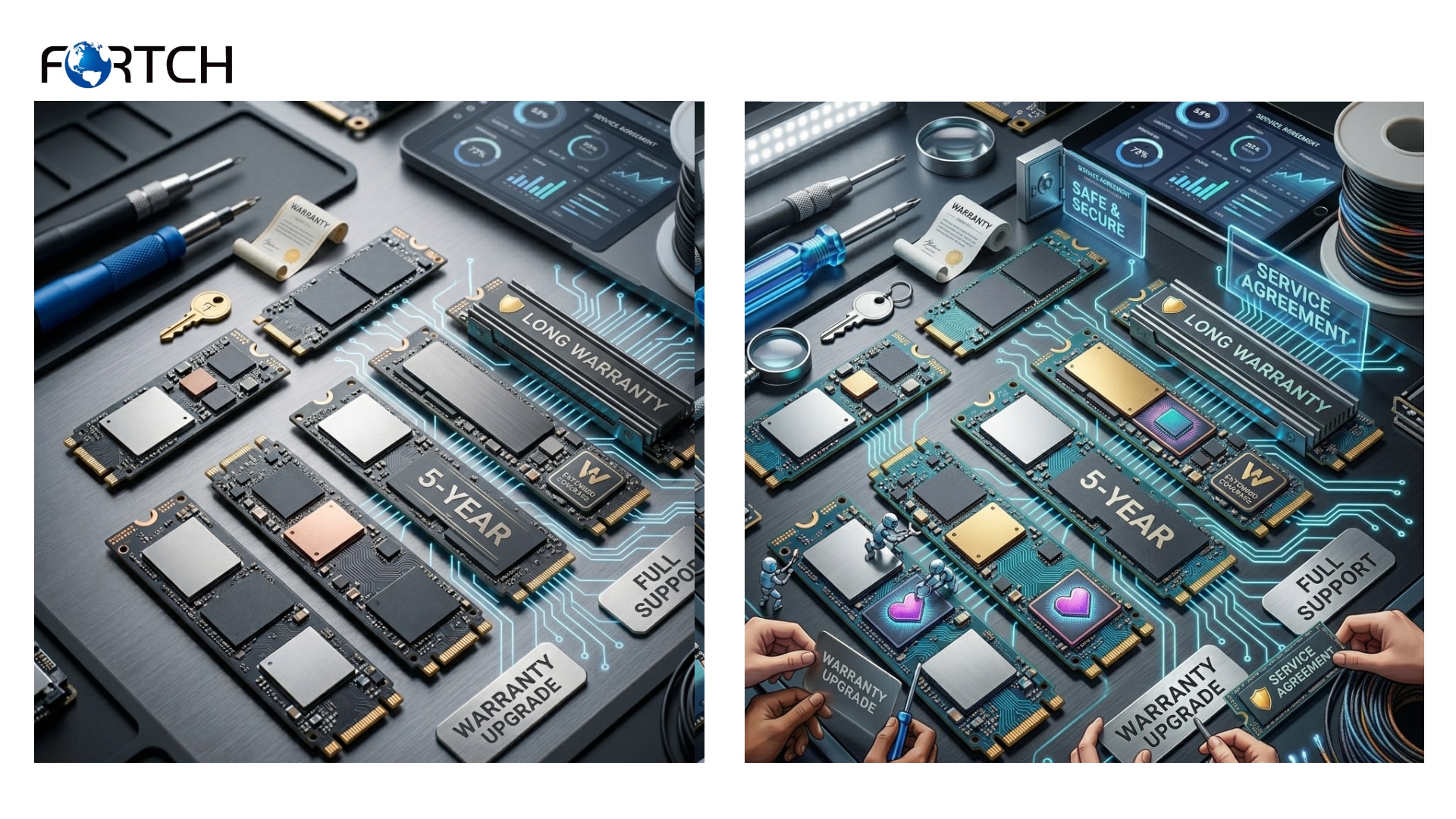
Why Warranty Length Matters When Choosing the Best SSD External Hard Drive
When sourcing the best SSD external hard drive, wholesale buyers and industry professionals often prioritize speed specifications and capacity, yet warranty duration serves as a critical indicator of underlying quality. Some laptop SSD models carry extended warranties of up to a decade, while others are limited to three years or less. Decoding the reasons behind these disparities is essential for making informed procurement decisions, particularly when selecting a reliable solid state drive for integration into laptops or external enclosures. Understanding the correlation between warranty terms and component longevity ensures a better investment and reduces long-term failure rates in inventory.
1. What Specific Protections Does an SSD Warranty Provide?
Before analyzing the reasons for varying warranty durations, it is vital to understand the specific scope of coverage provided by manufacturers. Warranties for the solid state drive are designed to protect against defects in materials and workmanship, ensuring the product performs as advertised under normal conditions. However, these warranties explicitly exclude issues stemming from user negligence or environmental factors beyond the drive’s control.
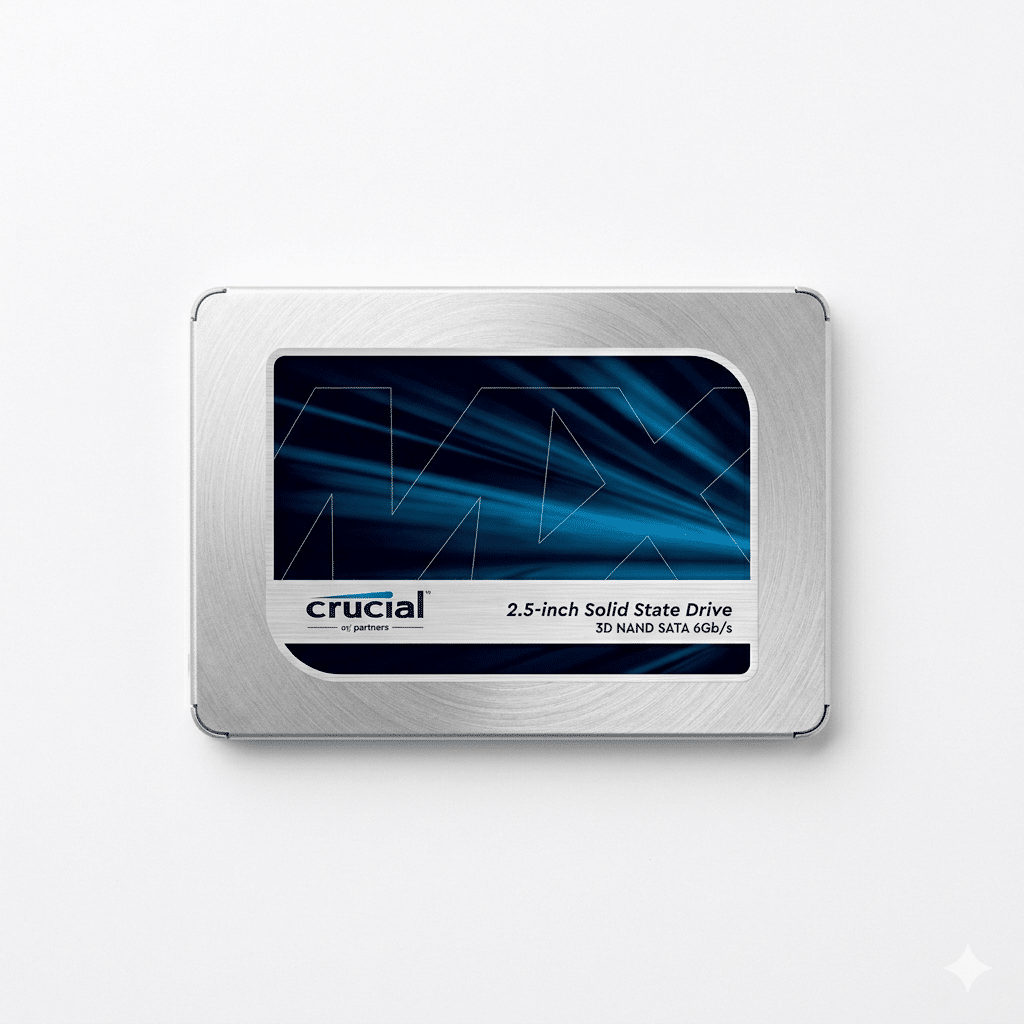
Manufacturers typically do not cover damage resulting from physical impacts, such as drops or liquid exposure, nor do they address failures caused by improper handling or unauthorized modifications. Furthermore, warranties generally do not support degradation resulting from excessive write operations that exceed the ssd hard drive rated endurance, known as TBW (Terabytes Written). Power instability, including surges or the use of incorrect power supplies, is another common exclusion. For wholesale buyers, reviewing the fine print for these limitations is crucial to setting accurate expectations for end-users regarding the laptop SSD lifecycle.
1.1 Why Physical Damage and Abuse Are Excluded
The exclusion of physical damage is standard because the resilience of an ssd hard drive during an impact depends largely on the external enclosure rather than the internal flash memory. While the internal solid state drive is shock-resistant to a degree, the casing often bears the brunt of a fall.
1.2 Why Endurance Limits Matter
Every SSD external hard drive has a finite lifespan determined by write cycles. Using the drive beyond its Terabytes Written (TBW) rating causes natural wear and tear that the manufacturer cannot warranty, as it is a physiological limit of the hardware.
1.3 Why Power Stability Is a Condition
Power surges can fry the sensitive controller of a laptop SSD. Manufacturers exclude this coverage to encourage the use of stable power sources, which is particularly relevant for external drives powered via USB hubs.
2. Which Technical Factors Influence SSD Warranty Lengths?
The variance in warranty duration is rarely arbitrary; it is deeply rooted in the engineering and component selection of the ssd hard drive. High-quality components allow manufacturers to offer longer terms with confidence, whereas budget drives often carry shorter warranties to mitigate risk. By examining these technical factors, procurement teams can better assess the true value of a solid state drive beyond the price tag.
2.1 How NAND Flash Type Determines Longevity
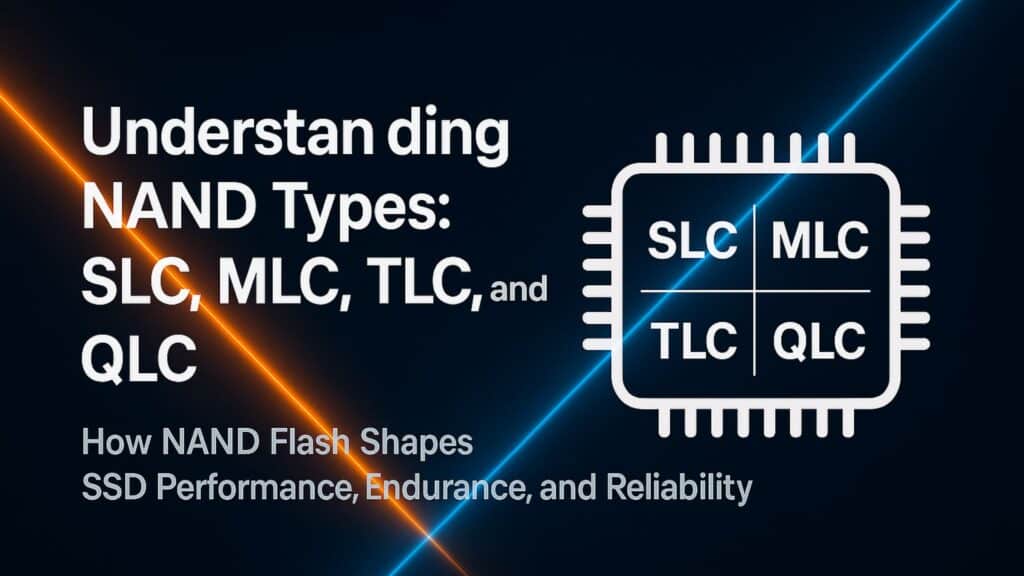
The specific architecture of the NAND flash memory used in an SSD external hard drive is the primary determinant of its lifespan and warranty eligibility. Different NAND technologies offer varying levels of durability, which directly correlate with how long the manufacturer is willing to guarantee the laptop SSD.
- SLC (Single-Level Cell): Known for extreme durability and speed, SLC is the gold standard for enterprise applications. It stores one bit per cell, offering the highest endurance but at a significant premium cost.
- MLC (Multi-Level Cell): Storing two bits per cell, MLC offers a balance between performance and longevity. It is often found in high-end solid state drive models and commands better warranty terms.
- TLC (Triple-Level Cell): The mainstream standard for consumer and commercial ssd hard drive products, TLC stores three bits per cell. It provides a good compromise between cost and endurance, typically supporting standard 3-to-5-year warranties.
- QLC (Quad-Level Cell): Storing four bits per cell, QLC is the most affordable option but offers the lowest endurance. Drives utilizing QLC usually come with shorter warranties, reflecting their susceptibility to faster wear under heavy workloads.
Manufactures utilizing superior NAND types, such as MLC or enterprise-grade TLC, provide extended warranties on their SSD external hard drive lines because the failure rates remain statistically low over a longer period.
2.2 Why Endurance Ratings (TBW) Are Critical
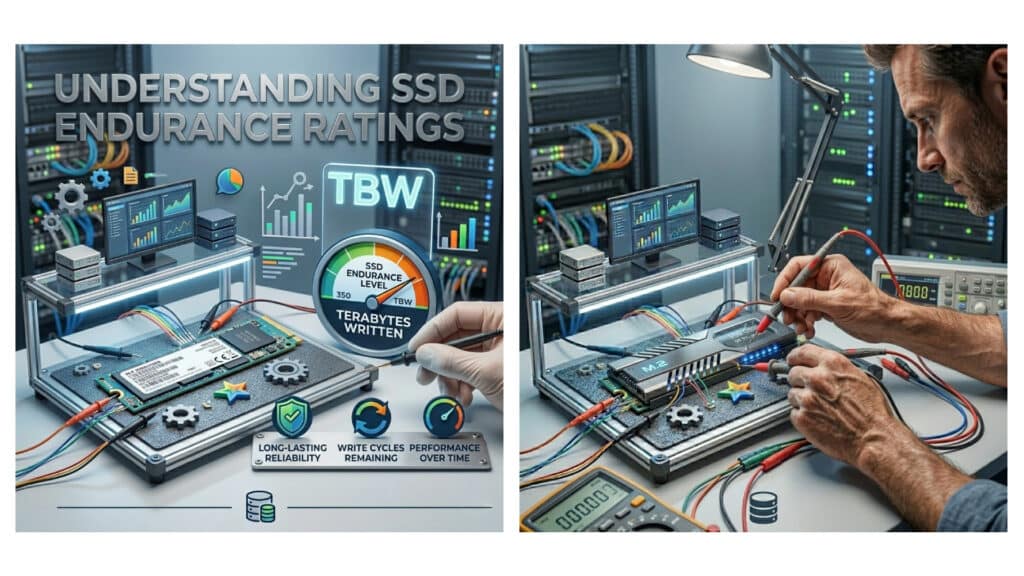
The Terabytes Written (TBW) rating is a metric that quantifies the amount of data that can be written to a solid state drive before it is likely to fail. This figure is intrinsically linked to warranty length; a high TBW indicates a robust laptop SSD capable of handling years of intensive data transfer.
High-performance drives often boast TBW ratings exceeding 600 or even 1200, justifying 5 to 10-year warranties. Conversely, a budget ssd hard drive with a 200TBW rating may be restricted to a 3-year warranty because the memory cells are expected to degrade sooner. For wholesale buyers, matching the TBW rating to the intended use case is essential to ensure the warranty duration aligns with the product’s actual usable life.
2.3 How Controller Quality and Firmware Optimize Performance
The SSD external hard drive controller acts as the brain of the device, managing data distribution and executing wear-leveling algorithms. Advanced controllers ensure that write cycles are distributed evenly across memory cells, preventing any single cell from premature failure.
Premium controllers, such as the Phison E18 or Samsung Phoenix, incorporate sophisticated error correction and thermal management features. These capabilities reduce the likelihood of data corruption and extend the operational life of the solid state drive. Because these high-end controllers significantly enhance reliability, manufacturers are comfortable backing them with extended warranties. Budget controllers, lacking advanced wear-leveling, lead to inconsistent performance and shorter warranty coverage, making them less suitable for critical laptop SSD applications.
2.4 Why Enterprise SSDs Offer Superior Warranty Terms
Enterprise-grade ssd hard drive solutions are engineered for 24/7 operation in data center environments, where downtime is unacceptable. These drives utilize the highest quality components and undergo rigorous testing, resulting in mean time between failures (MTBF) that far exceed consumer standards.
Consequently, enterprise SSDs often carry warranties of up to 10 years. While consumer SSD external hard drive models typically top out at 5 years, enterprise drives reflect the manufacturer’s confidence in their ability to sustain heavy, continuous workloads. For B2B clients requiring high-volume storage solutions, these enterprise drives offer the lowest total cost of ownership despite a higher upfront price.
2.5 How Market Trends Impact Warranty Strategies
Recent 2025 industry data indicates a shift in warranty strategies as the solid state drive market matures. With the global SSD market projected to reach a valuation of over $80 billion by 2026, competition is driving manufacturers to use warranties as a key differentiator. Furthermore, the adoption of PCIe 5.0 technology in late 2025 has seen brands pairing these high-speed drives with longer warranties to signal stability despite the new technology’s complexity. This trend suggests that future laptop SSD procurements will see increasingly favorable terms as brands compete on reliability.
3. How to Select an SSD Based on Warranty Specifications
Navigating the landscape of warranties requires a strategic approach. Buyers must look beyond the number of years and evaluate the terms in the context of performance and brand reputation. This ensures the chosen SSD external hard drive delivers value throughout its lifecycle.
3.1 Which Brands Offer the Best Warranty Coverage?
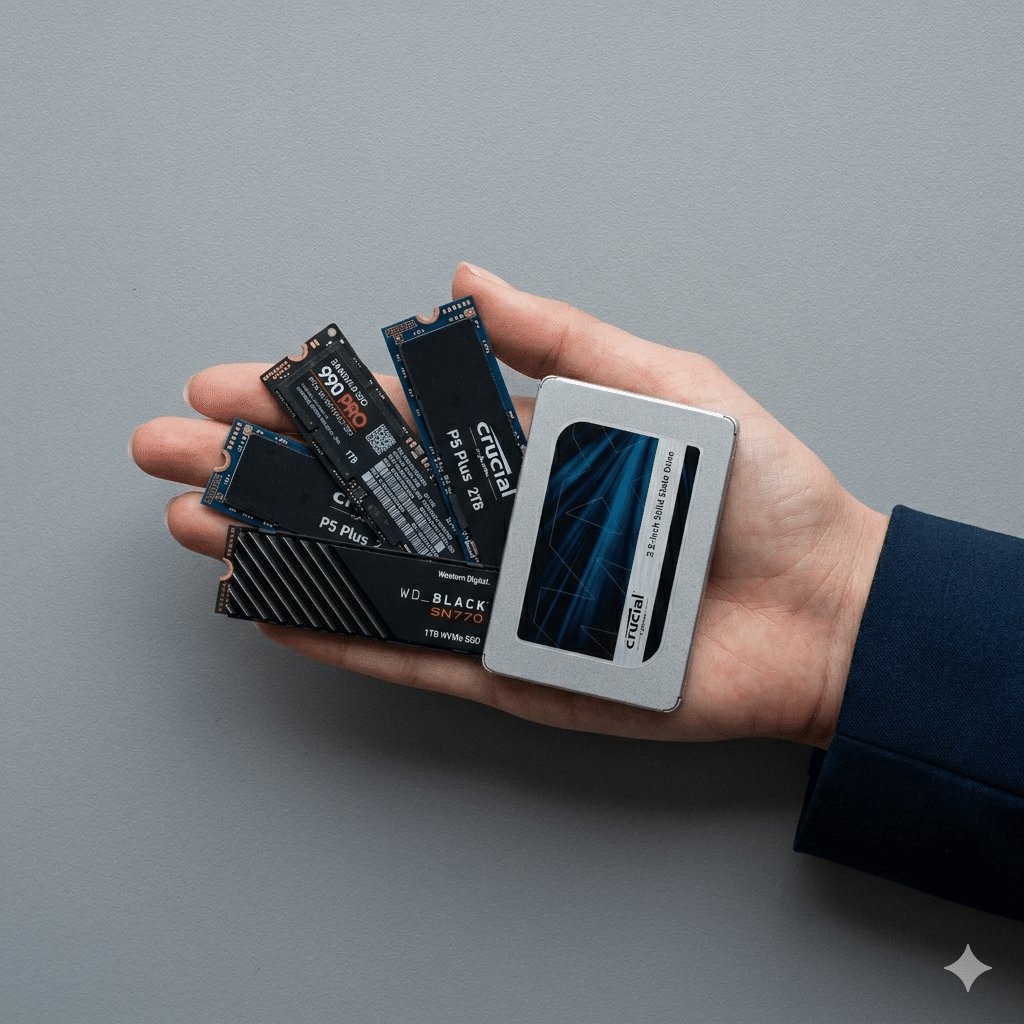
Brand reputation plays a significant role in warranty validation. Established brands have the infrastructure to honor long-term commitments, whereas lesser-known manufacturers may change policies or cease operations. Leading brands typically offer the following warranty structures for their solid state drive products:
When sourcing for wholesale or customization, it is advisable to partner with brands that demonstrate consistent support for their ssd hard drive products over time.
3.2 Why Verifying TBW Against Warranty Years Is Essential
A critical step in evaluation is cross-referencing the warranty length with the TBW rating. A laptop SSD advertised with a 5-year warranty but a low TBW rating may be misleading. In such cases, the warranty is effectively limited by the endurance rating; the drive may fail due to cell exhaustion well before the five-year mark is reached.
For a genuine 5-year warranty to hold value, the solid state drive must possess a TBW rating that aligns with projected annual usage. Professional buyers should calculate the expected data write volume and ensure the SSD external hard drive can sustain that volume for the duration of the warranty.
3.3 How to Match Warranty Features to Use Cases
Different usage scenarios demand different warranty profiles. Aligning the ssd hard drive specifications with the application ensures optimal performance and reliability.
- For gaming and high-performance computing: It is advisable to select drives with 5+ year warranties and high TBW ratings. Gaming involves frequent data writes and high-speed requirements, necessitating a robust laptop SSD backed by a strong guarantee.
- For everyday business laptop storage: A mid-range external hard drive for laptop with a 3-5 year warranty is generally sufficient. These drives handle standard document processing and media playback without the extreme endurance requirements of gaming or professional workstations.
- For professional workloads and video editing: High-capacity SSD external hard drive models with 10-year warranties and enterprise-grade endurance are essential. The large file sizes associated with 4K/8K video editing accelerate write cycles, making the extended warranty and high TBW crucial for protecting data integrity.
Why Long-Term Warranty Is a Strategic Investment
A longer warranty serves as a reliable proxy for the overall quality of a solid state drive. While it is not the sole metric for evaluation, the length and terms of the warranty provide deep insights into the manufacturer’s confidence in their NAND flash selection, controller quality, and build standards.
For businesses and procurement professionals, selecting the best SSD external hard drive requires a holistic view that prioritizes long warranty terms, high TBW ratings, and premium controllers. An ssd hard drive equipped with advanced error correction and wear leveling ensures sustained performance and data security.
Ultimately, balancing warranty length with cost and specific performance requirements leads to the best procurement outcomes. A 3-to-5-year warranty remains the industry standard for quality, signaling a reliable laptop SSD, while extended warranties up to 10 years indicate enterprise-grade durability suitable for the most demanding applications. By understanding the technical rationale behind these warranties, buyers can secure inventory that offers superior value and reliability to their end-users.