

How a Desktop SSD Can Boost Gaming and Productivity Speed Instantly

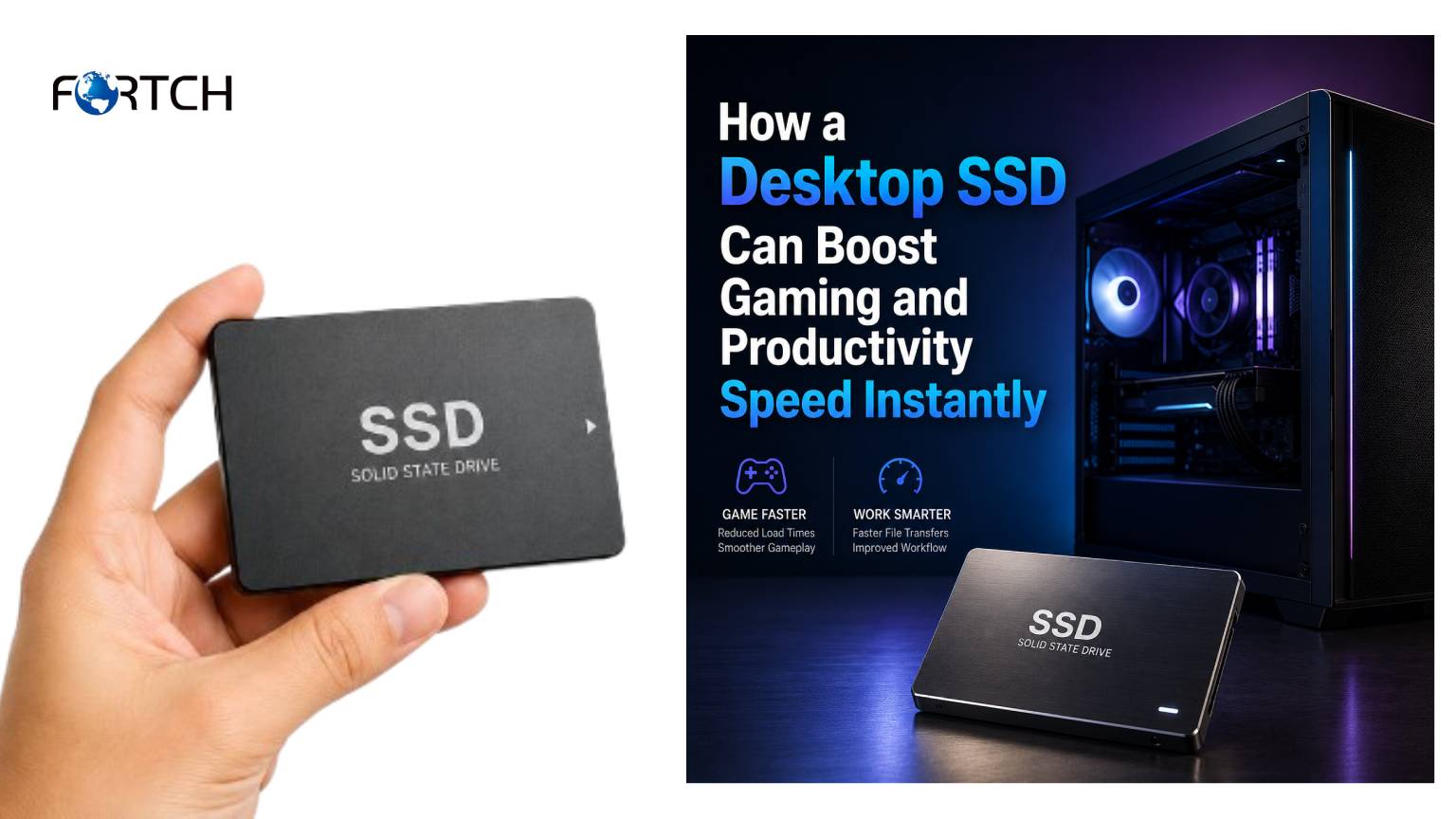
1. Why a Desktop SSD is the Critical Upgrade for Modern Systems in 2025
The transition from mechanical storage to flash-based architecture represents the most significant performance leap in recent computing history. A modern desktop ssd eliminates the physical limitations of spinning disks, offering instantaneous data access that fundamentally changes how systems operate. For businesses and system integrators, this shift is not merely an option but a necessity to meet the demands of contemporary software. The latency gap between traditional hard drives and modern flash storage continues to widen as applications become more data-intensive.
Industry reports from early 2025 indicate that global storage revenue from flash-based drives has surpassed traditional HDDs by a staggering margin, driven largely by enterprise and OEM procurement. This trend is happening because software developers are optimizing their applications specifically for flash memory architectures. For wholesale buyers, stocking legacy storage is becoming a liability, as end-users increasingly demand systems that boot in seconds and load applications instantly. The market is actively penalizing systems that fail to incorporate this baseline performance standard.
The impact on buyers is profound, as the perceived value of a computer system is now inextricably linked to its storage responsiveness. A high speed ssd directly influences customer satisfaction, reducing return rates and increasing brand loyalty for system builders. When businesses deploy fleets of workstations, the cumulative time saved by upgrading to an internal ssd translates into massive operational cost savings. Procurement managers are therefore prioritizing storage speed over sheer capacity, a paradigm shift that defines current hardware purchasing strategies.
Looking ahead to 2026 market insights, analysts project that the average capacity of a shipped desktop ssd will double, while price-per-gigabyte will reach historic lows. This forecast suggests that the window for capitalizing on bulk storage upgrades is rapidly expanding. Businesses should respond by establishing supply chain partnerships that allow for flexible, large-scale procurement. Securing favorable pricing structures now will ensure competitive advantage as the demand for high-performance storage continues its exponential trajectory through the end of the decade.
1.1 How High Speed SSDs Outperform Legacy Storage in Real-World Scenarios
Real-world performance metrics clearly demonstrate the superiority of flash-based architectures over mechanical drives in both gaming and productivity environments. A high speed ssd leverages NAND flash memory and advanced controllers to deliver sequential read and write speeds that eclipse traditional drives by up to ten times. This performance differential is most noticeable during massive file transfers, system boot sequences, and application initialization phases. For professional users waiting minutes for a project to load, this technology recovers countless hours of lost productivity annually.
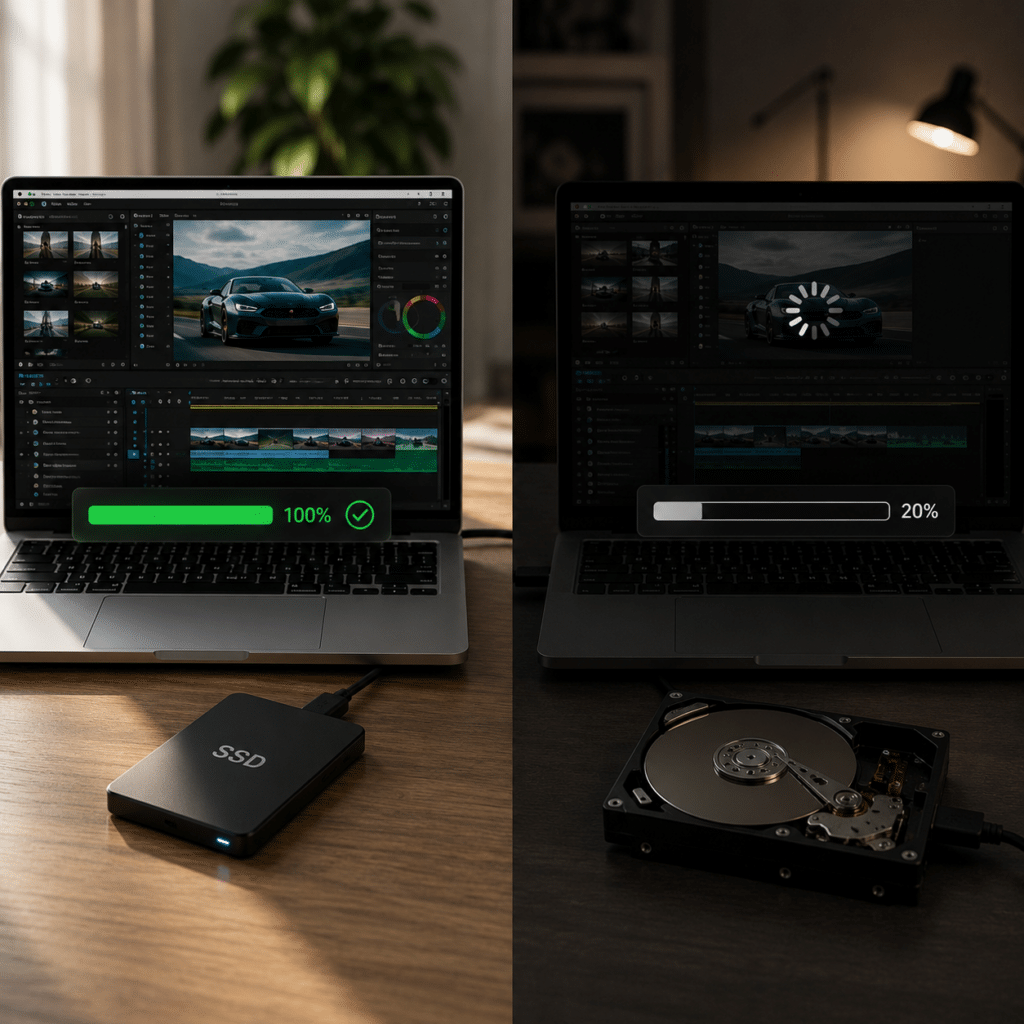
In multitasking scenarios, the input/output operations per second (IOPS) of an internal ssd prevent the system bottlenecks that typically plague mechanical storage. When a user runs a virtual machine, compiles code, and streams data simultaneously, a desktop ssd manages these concurrent requests with minimal latency. Legacy drives simply cannot handle the random read/write demands of modern operating systems, resulting in frustrating system hangs and degraded user experiences. This operational fluidity is what defines a premium computing experience in the modern enterprise landscape.
The advantages extend beyond mere speed, encompassing durability, power efficiency, and acoustic performance. Because a high speed ssd contains no moving parts, it is inherently more resistant to shock and vibration, a critical factor for deployed systems in industrial or mobile environments. Wholesale distributors recognize that this reliability reduces warranty claim rates, making an internal ssd a more profitable component to stock. The absence of mechanical noise also contributes to a more professional and focused workspace, a subtle but highly valued attribute in corporate settings.
Understanding these practical benefits allows B2B buyers to make informed inventory decisions that align with their clients’ actual needs rather than just raw specifications. The market is shifting toward PCIe 4.0 and 5.0 interfaces, which extract even greater performance from a modern desktop ssd. System builders who integrate these advanced interfaces into their 2025 product lines will capture the premium segment of the market. Consequently, aligning procurement strategies with these real-world performance metrics is essential for maintaining relevance in a highly competitive industry.
1.2 Which Internal SSD Form Factors Best Serve Wholesale Buyers
Selecting the appropriate physical interface and form factor is a foundational decision for wholesale buyers sourcing storage solutions. The 2.5-inch SATA format remains relevant for legacy system upgrades, but the M.2 standard has definitively become the dominant choice for any modern desktop ssd. The M.2 form factor eliminates the need for bulky cables, simplifying the manufacturing process for system integrators and reducing material costs. This compact design also allows for better airflow within the chassis, contributing to overall system stability and thermal management.
The transition toward NVMe (Non-Volatile Memory Express) protocols over the older AHCI standard represents a critical evolutionary step for a high speed ssd. NVMe allows an internal ssd to communicate directly with the system’s CPU, drastically reducing command overhead and maximizing bandwidth. For B2B buyers, this means that stocking PCIe NVMe drives is non-negotiable for any systems marketed as performance-oriented. The difference in throughput is measurable in gigabytes per second, a metric that easily translates into compelling marketing points for end-users.
Customization plays a pivotal role when determining which form factors to offer to diverse client bases. Some enterprise clients require specialized industrial-temperature ranges, while gaming OEMs demand integrated heatsinks to manage thermal throttling. A flexible internal ssd supplier will offer various configurations of the same base drive, allowing wholesalers to cater to niche markets without overcomplicating their inventory. This modular approach to product sourcing is what separates successful distributors from those competing solely on razor-thin margins.
Market data from early 2025 shows that M.2 NVMe drives now account for over eighty percent of all desktop ssd shipments, a figure expected to approach ninety-five percent by 2026. This rapid consolidation of form factors simplifies the supply chain but also intensifies competition among suppliers. Businesses should respond by deeply vetting their manufacturing partners to ensure consistent quality control across high-volume orders. Establishing exclusive customization agreements for specific M.2 variants can provide a defensible moat in an increasingly commoditized market.
2. How a High Speed SSD Transforms Gaming Environments Instantly
The gaming industry has undergone a radical architectural shift, moving away from loading screens and toward seamless, open-world experiences. A high speed ssd is the enabling technology behind this transformation, allowing game engines to stream massive texture files and environmental data directly from storage to the GPU in real-time. When a player sprints across a vast digital landscape, an internal ssd ensures that the terrain renders instantly, eliminating the visual pop-in that severely degrades immersion. This capability is no longer a luxury but a baseline requirement for modern AAA game titles.
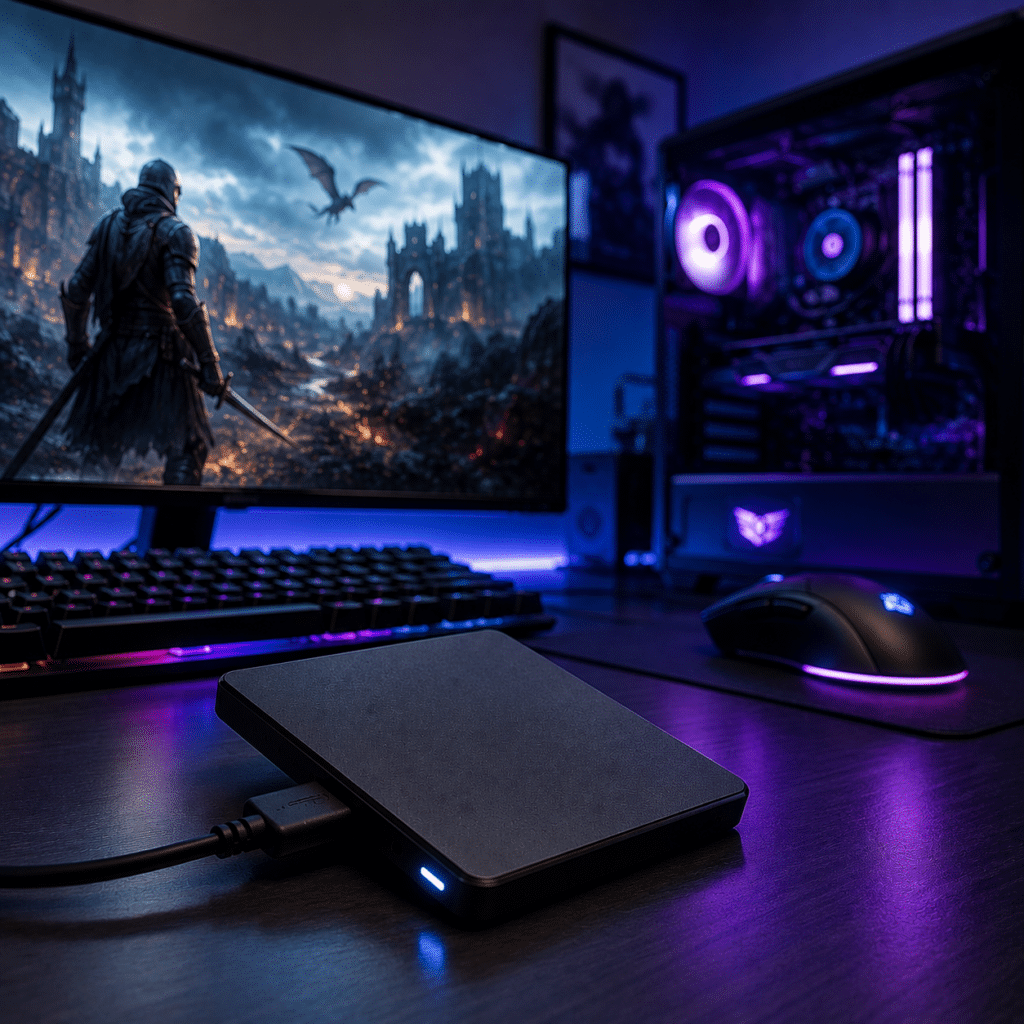
This trend is accelerating because console manufacturers have adopted similar flash-based architectures, forcing PC developers to optimize their ports for high-speed storage. The impact on buyers is immediate and tangible, as gamers with older mechanical drives are finding themselves literally unable to launch certain titles. By integrating a desktop ssd into their pre-built systems, OEMs can guarantee compatibility with the latest software releases. This guarantees a longer viable lifespan for the hardware, increasing the overall value proposition for the consumer.
For wholesale distributors supplying the gaming hardware sector, the implications are highly lucrative. Gaming peripherals and components command premium margins, and a high speed ssd is often the most easily marketed upgrade within a custom rig. Customization options such as RGB-enabled shrouds or branded heat spreaders allow system builders to create visually distinct products that appeal to enthusiast demographics. Bundling a top-tier internal ssd with other high-margin components creates a cohesive, high-performance package that drives higher average order values.
Looking toward 2026, industry forecasts predict the widespread adoption of DirectStorage APIs, which will further leverage the parallel processing power of a desktop ssd to bypass CPU bottlenecks entirely. This technological leap will make storage speed even more critical to frame rate consistency and texture fidelity. Businesses should respond by aggressively transitioning their gaming-focused inventory toward Gen5 NVMe drives. Securing early allocations of these next-generation components will position forward-thinking wholesalers as the go-to suppliers for elite gaming system builders.
2.1 Why Latency Reduction Matters for Competitive Gaming Setups
In the hyper-competitive realm of esports, milliseconds dictate the difference between victory and defeat, making storage latency a critical performance variable. While most attention is paid to GPU and CPU frame rates, a slow internal ssd can cause micro-stutters during level loads or asset streaming, disrupting a player’s focus and mechanical precision. A high speed ssd ensures that background processes, such as anti-cheat software or voice communication overlays, do not interfere with the game’s primary data stream. This absolute system stability is what professional esports organizations demand from their hardware sponsors.
The mechanics behind this involve the command queue depth and IOPS handling capabilities of the drive controller. Traditional drives process commands in a linear, singular fashion, whereas a modern desktop ssd utilizes multiple data channels to execute dozens of commands simultaneously. When a competitive match begins and the game needs to load a specific map while simultaneously tracking player stats and audio cues, a high speed ssd handles this orchestration flawlessly. The result is a stutter-free experience that allows professional gamers to perform at their absolute peak.
For B2B buyers equipping internet cafes, tournament arenas, or university esports labs, the total cost of ownership is heavily influenced by storage reliability under sustained stress. An internal ssd with high endurance ratings (TBW – Terabytes Written) will outlast cheaper alternatives under the rigorous, continuous workloads of competitive play. Customization in this sector often involves provisioning drives with specific firmware that prioritizes read speeds over write caching. Understanding these nuanced requirements allows wholesalers to provide tailored solutions that standard retail channels cannot match.
Recent 2025 statistical analyses of tournament hardware show that over ninety percent of tier-one esports setups now utilize Gen4 or Gen5 NVMe storage. By 2026, as game engines become even more reliant on instantaneous asset calling, this figure will effectively reach one hundred percent. Businesses operating in the gaming B2B space must therefore treat storage latency with the same gravity as graphics processing power. Establishing supply lines for ultra-low-latency components will be essential for capturing and retaining lucrative enterprise gaming contracts.
2.2 Which Customization Options Elevate a Gaming Internal SSD
Physical and firmware-level customization transforms a generic storage component into a highly marketable gaming asset. The most visible customization for a desktop ssd in a gaming rig is the thermal solution, which can range from minimalist aluminum spreaders to elaborate, finned heatsinks with integrated RGB lighting. A high speed ssd operating at Gen4 or Gen5 speeds generates significant heat, making these customized cooling solutions functionally necessary as well as aesthetically appealing. Wholesalers who offer pre-fitted heatsinks provide immediate value to system builders looking to reduce assembly time.
Beyond physical appearance, firmware customization offers a powerful differentiator for an internal ssd targeting the gaming segment. Drive manufacturers can tune the controller algorithms to prioritize burst read speeds and minimize write amplification during gaming workloads. This results in a high speed ssd that feels exceptionally snappy during level loads without sacrificing long-term durability. For B2B clients, offering drives with specialized gaming firmware allows them to market a uniquely optimized product, escaping the race-to-the-bottom pricing that plagues commodity storage.
Branding and packaging customization further solidify the wholesale value proposition in the gaming market. Distributors can source an internal ssd with custom silk-screened logos, matching the color schemes of popular motherboard manufacturers or PC case brands. Creating a cohesive visual ecosystem is a massive selling point in the DIY and pre-built gaming markets. By providing these bespoke branding services, wholesale suppliers elevate themselves from mere component pushers to strategic manufacturing partners for their OEM clients.
Market insights for 2025 reveal that gaming components featuring cohesive, customized aesthetics command a twenty to thirty percent premium over standard, unbranded alternatives. As the 2026 market matures, this premium is expected to increase as consumers become more discerning about the internal visual aesthetics of their builds, facilitated by the rise of glass-panel cases. Businesses should respond by investing in modular customization capabilities that allow for low Minimum Order Quantities (MOQs) on branded drives. This agility will capture the highly fragmented, but highly profitable, mid-tier system builder market.
3. Why Productivity Workflows Rely Heavily on a Desktop SSD
Professional productivity is frequently hindered not by a lack of processing power, but by severe data bottlenecks at the storage level. Creative professionals working with 4K/8K video footage, massive CAD files, or complex databases require a desktop ssd to prevent the system from stalling during critical operations. A high speed ssd dramatically reduces the time required to scrub through video timelines or load intricate 3D models, directly impacting a professional’s output capacity. In environments where time is literally money, storage speed is a direct driver of revenue generation.
This dependency is growing because file sizes are expanding at an unprecedented rate, driven by higher resolution media and increasingly complex software datasets. The impact on buyers in the corporate sector is an urgent need to refresh aging hardware before productivity losses become untenable. An employee waiting five minutes for a project to save or render on a mechanical drive represents a quantifiable financial loss. Transitioning to an internal ssd instantly eliminates these micro-delays, compounding into significant efficiency gains over a standard workweek.
For wholesale buyers servicing the enterprise sector, the sales strategy shifts from selling raw speed to selling operational efficiency and cost reduction. A high speed ssd can be positioned as an ROI-positive investment, as the cost of the drive is quickly offset by the increased billable hours of the employee using it. IT procurement managers are highly receptive to this narrative, especially when a desktop ssd is bundled with management software that allows for remote monitoring and diagnostics. This enterprise-focused approach builds long-term, recurring revenue streams for distributors.
According to 2025 enterprise IT surveys, organizations that mandated high-speed flash storage for their creative and engineering departments reported an average productivity increase of twenty-five percent. Projections for 2026 suggest that as artificial intelligence workloads move from the cloud to local workstations, the demand for a high capacity, high speed ssd will explode. Businesses should respond by proactively educating their client base on the intersection of local AI and storage performance, positioning themselves as consultative partners rather than transactional vendors.
3.1 How Multitasking Capabilities Expand with an Internal SSD
True multitasking requires a storage medium capable of handling highly randomized, fragmented data requests from multiple applications simultaneously. An internal ssd excels in this environment, maintaining high IOPS even when the system is under extreme load. A professional might have a virtual machine running a database, a local development environment compiling code, and a video conferencing application active all at once. A desktop ssd ensures that the data channels are never bogged down by a single process, maintaining system-wide responsiveness.
The architecture that enables this involves sophisticated wear-leveling algorithms and high-bandwidth interfaces like PCIe Gen4 and Gen5. A high speed ssd distributes the multitasking load across multiple NAND channels, preventing the controller from becoming a bottleneck. For B2B buyers, understanding this architectural distinction is crucial when selecting drives for power users. Stocking cheaper, lower-tier drives may result in performance degradation under heavy multitasking, leading to customer dissatisfaction and increased support overhead.
Customization for multitasking environments often involves adjusting the over-provisioning ratios of the drive. By allocating more unused space for the controller to manage garbage collection and wear leveling, a desktop ssd can sustain peak performance for much longer periods under heavy write workloads. An internal ssd configured with enterprise-grade over-provisioning offers a hybrid solution that bridges the gap between consumer pricing and enterprise reliability. Wholesale suppliers who can offer this specific customization hold a distinct advantage when bidding on large corporate IT refresh contracts.
Data from early 2025 indicates that the average enterprise worker now utilizes at least three heavy, data-intensive applications concurrently, a twenty percent increase from the previous year. By 2026, the integration of local AI assistants will add another constant, background data stream to the multitasking equation. Businesses must respond by ensuring their product catalogs feature internal ssd options specifically validated for sustained multi-threaded workloads. Highlighting these validated use-cases in B2B marketing materials will significantly shorten the enterprise sales cycle.
3.2 Which High Speed SSD Specifications Match Professional B2B Needs
Navigating the specifications of modern storage requires a focus on metrics that truly matter for professional environments, rather than being swayed by marketing hype. For a desktop ssd in a B2B context, Terabytes Written (TBW) and Drive Writes Per Day (DWPD) are far more important than peak sequential speeds. A high speed ssd with a high TBW rating guarantees that the drive will survive the rigorous, continuous write cycles inherent in professional video editing or data logging. Procurement managers must prioritize these endurance metrics to ensure a low total cost of ownership.
The type of NAND flash memory utilized in an internal ssd also dictates its suitability for professional workloads. Single-Level Cell (SLC) offers the highest endurance but is prohibitively expensive, making Triple-Level Cell (TLC) the standard sweet spot for performance and longevity. Quad-Level Cell (QLC) offers higher densities at lower costs but suffers from significant performance drops during sustained writes. Wholesale buyers must carefully match the NAND type to the specific use case, ensuring that a high speed ssd marketed to professionals does not fail under sustained stress.
Power-loss protection (PLP) is another critical, often overlooked specification that separates consumer-grade drives from professional-grade solutions. A desktop ssd equipped with PLP uses capacitors to flush cached data to the NAND array in the event of a sudden power outage, preventing catastrophic data corruption. For B2B clients managing sensitive financial, medical, or legal data, an internal ssd without PLP is an unacceptable risk. Customizing drives to include this feature elevates a standard component to an enterprise-class asset.
Recent 2025 enterprise storage audits reveal that over forty percent of data loss incidents in professional workstations were directly linked to power-loss events on inadequately protected consumer drives. As we move into 2026, regulatory frameworks surrounding data integrity are expected to tighten, particularly in the financial and healthcare sectors. Businesses should respond by aggressively phasing out consumer-tier storage from their B2B catalogs and exclusively promoting PLP-equipped, TLC-based internal ssd options. This proactive compliance posture will secure trust and long-term contracts with heavily regulated industries.
4. How Wholesale Buyers Can Capitalize on the Internal SSD Boom
The exponential growth of data creation globally guarantees a sustained, multi-year boom for high-performance flash storage. Wholesale buyers are uniquely positioned to capitalize on this trend by acting as the crucial bridge between massive semiconductor foundries and fragmented end-user markets. By purchasing a desktop ssd in high volumes, distributors unlock tiered pricing structures that yield significant profit margins when sold to regional system integrators. The key to maximizing this opportunity lies in strategic inventory management and anticipating shifts in consumer demand before they become mainstream.
This boom is fundamentally driven by the dual engines of gaming expansion and enterprise AI adoption, creating a highly resilient demand curve. The effect on buyers is a market environment where holding inventory is less risky than in highly volatile hardware categories. A high speed ssd purchased today is unlikely to become technologically obsolete within a standard inventory turnover cycle. However, as NAND fabrication processes shrink, older generations of an internal ssd will rapidly lose their price premium, necessitating agile just-in-time procurement strategies.
Value-added services represent the most effective way for wholesalers to differentiate themselves in a crowded internal ssd market. Simply moving boxes is no longer sustainable; B2B buyers expect their suppliers to offer kitting, custom firmware flashing, and advanced logistics solutions. A distributor who can take a generic desktop ssd, configure it with specific over-provisioning, apply a custom client logo, and ship it directly to the client’s assembly facility provides immense value. This white-label service model transforms a commodity into a bespoke solution, insulating the wholesaler from direct price comparisons.
Industry forecasts for 2025 show the global NAND flash market exceeding eighty billion dollars, with 2026 projections indicating a continued supply-demand tightness that will keep average selling prices stable. Businesses should respond by locking in long-term supply agreements with tier-one manufacturers immediately. Securing guaranteed allocations during periods of potential shortage ensures that wholesale distributors can fulfill their OEM clients’ orders while competitors face stockouts. This strategic foresight is what separates market leaders from reactive commodity brokers.
4.1 Why Custom Firmware is the Future of Desktop SSD Customization
While hardware specifications like NAND type and interface speed are largely standardized, firmware remains the defining element that dictates actual drive behavior. Custom firmware allows a desktop ssd to be precisely tuned for specific use cases, whether that is prioritizing read speeds for gaming or maximizing write endurance for surveillance systems. A high speed ssd with proprietary firmware cannot be easily replicated by competitors, offering B2B buyers a truly unique product offering. This software-defined differentiation is rapidly becoming the primary battleground for storage manufacturers and distributors alike.
The trend toward custom firmware is accelerating because the hardware performance ceiling is beginning to plateau, shifting the focus to efficiency and optimization. For buyers, this means that two internal ssd drives with identical hardware specs can perform vastly differently depending on their firmware calibration. A poorly optimized drive may exhibit high latency spikes, while a custom-tuned desktop ssd will maintain a perfectly flat, consistent performance curve. System integrators are increasingly testing and specifying firmware versions alongside hardware specs when designing new product lines.
Developing custom firmware requires a deep partnership between the wholesale buyer and the silicon vendor, moving beyond a traditional buyer-seller dynamic. A high speed ssd designed for a specific OEM might require custom power profiles to match the thermal constraints of a proprietary small-form-factor PC. An internal ssd with bespoke firmware ensures that the drive operates optimally within the exact environmental parameters of the target chassis. This level of co-engineering creates high switching costs for the OEM, guaranteeing long-term, recurring revenue for the wholesaler.
Looking at 2025 technological adoption curves, custom firmware storage solutions have seen a fifty percent increase in enterprise deployments compared to the previous year. By 2026, as storage controllers become more programmable, the ability to dynamically adjust drive parameters via firmware updates will become a standard expectation. Businesses should respond by investing in the technical expertise required to support custom firmware deployments, either by hiring firmware engineers or forming exclusive joint ventures with controller manufacturers. This technical capability will become the ultimate competitive moat.
4.2 Which Strategies Maximize ROI for High Speed SSD Distributors
Maximizing return on investment in the storage sector requires a shift from volume-based selling to solution-based selling. A desktop ssd should not be presented as an isolated component, but as part of a holistic storage ecosystem that includes migration software, cloning tools, and extended warranties. A high speed ssd bundled with a professional data migration suite removes the primary friction point for end-users upgrading their systems. For wholesalers, these software bundles cost virtually nothing to license in bulk but dramatically increase the perceived value and margin of the hardware.
Targeting high-growth vertical markets is another crucial strategy for optimizing the profitability of an internal ssd portfolio. Rather than trying to compete with massive e-commerce platforms on consumer pricing, B2B distributors should focus on niche sectors like digital signage, industrial automation, and edge computing. A desktop ssd deployed in an industrial setting often requires extended temperature tolerances and vibration resistance, allowing for significantly higher margins than standard office drives. Identifying and cultivating these specialized verticals protects the distributor from the brutal pricing wars of the retail channel.
Inventory lifecycle management is perhaps the most operational strategy for preserving ROI when dealing with rapidly evolving technology. A high speed ssd follows a predictable depreciation curve, where next-generation interfaces cause sudden price drops in legacy products. Wholesalers must implement aggressive, automated pricing models that gradually reduce the cost of an aging internal ssd before it becomes dead stock. Establishing clear channels for liquidating older inventory into emerging markets or budget-tier system builds ensures that capital is not trapped in depreciating assets.
2025 financial data from top-tier distributors shows that those utilizing AI-driven demand forecasting for their internal ssd inventory reduced their holding costs by eighteen percent. As we project into 2026, the integration of predictive analytics into B2B procurement will transition from a competitive advantage to a baseline requirement. Businesses should respond by adopting sophisticated ERP systems that track real-time NAND spot prices and align purchasing decisions with algorithmic demand predictions. This data-driven approach to wholesale distribution is the definitive method for maximizing ROI in a high-speed, low-margin industry.
Conclusion:
The evolution of computing has firmly established high-performance storage as the cornerstone of both immersive gaming and professional productivity. Upgrading to a modern desktop ssd is no longer a subjective enhancement but an objective necessity for any system expected to perform in 2025 and beyond. The instantaneous boost in load times, multitasking capability, and overall system responsiveness provides a user experience that mechanical storage simply cannot replicate. For system builders and enterprise buyers, prioritizing this component is the most effective way to elevate their product offerings.
The wholesale and customization markets offer unprecedented opportunities for businesses willing to look beyond commodity pricing. By leveraging custom firmware, tailored thermal solutions, and strategic firmware tuning, a high speed ssd can be transformed into a proprietary asset. An internal ssd customized for a specific vertical market commands higher margins, fosters brand loyalty, and creates barriers to entry for competitors. B2B buyers who embrace this consultative, customization-first approach will define the next era of hardware distribution.
As the industry moves toward 2026, the integration of local AI workloads and advanced DirectStorage APIs will only amplify the critical nature of storage performance. The data clearly shows that organizations investing in high-speed flash storage today are realizing immediate, measurable returns on their operational efficiency. The transition from legacy storage to advanced flash architectures is accelerating, and the window to establish dominant supply chain positions is narrowing. Proactive procurement and strategic partnerships are essential to navigating this technological transition successfully.
To capitalize on these market dynamics, businesses must align with a storage partner capable of delivering both massive scale and granular customization. We provide comprehensive wholesale solutions for the desktop ssd market, offering flexible MOQs, bespoke branding, and enterprise-grade firmware configurations. Contact our B2B sales team today to secure your 2025 and 2026 allocations of high performance internal ssd products, and ensure your systems remain at the forefront of speed and reliability.
Frequently Asked Questions
1. Why should B2B buyers focus on internal SSD customization rather than selling commodity drives?
Selling commodity storage forces businesses to compete entirely on price, leading to razor-thin margins. By investing in internal SSD customization—such as bespoke firmware, custom branding, or tailored thermal solutions—wholesalers can create unique, proprietary products. This solution-based approach allows distributors to target niche vertical markets, command premium pricing, and build high switching costs that secure long-term, recurring revenue from OEM clients.
2. How does a desktop SSD specifically improve competitive gaming setups beyond faster load times?
In high-stakes esports, a high speed SSD prevents the micro-stutters and frame drops caused by background data requests, such as anti-cheat software or voice overlays. By leveraging multiple NAND channels to handle concurrent commands, an internal SSD ensures absolute system stability during intense gameplay. As 2026 approaches and DirectStorage APIs become standard, this low-latency storage will be critical for rendering textures instantly without burdening the CPU.
3. Which internal SSD specifications are most critical for professional productivity workstations?
For enterprise environments, peak sequential speeds are less important than endurance and data protection. B2B buyers should prioritize Terabytes Written (TBW) ratings, Triple-Level Cell (TLC) NAND for sustained write workloads, and Power-Loss Protection (PLP). PLP ensures that cached data is safely written to the drive during a sudden power outage, a non-negotiable feature for professionals handling sensitive financial, medical, or legal datasets.
4. Why is custom firmware considered the future of desktop SSD differentiation?
As hardware performance begins to plateau, the controller firmware dictates the actual behavior and efficiency of the drive. Custom firmware allows a high speed SSD to be precisely tuned—for example, prioritizing read speeds for gaming or maximizing write endurance for surveillance logging. Because firmware-tuned drives cannot be easily replicated by competitors, they offer wholesale buyers a powerful, software-defined moat in a commoditized market.
5. What physical customization options are available for a high speed SSD aimed at the gaming market?
The most impactful physical customization for a gaming internal SSD is the thermal solution. Because Gen4 and Gen5 drives generate significant heat, customized integrated heatsinks or finned arrays with RGB lighting are both functionally necessary and aesthetically appealing. Additionally, custom silk-screened logos and color-matched shrouds allow system builders to create visually cohesive rigs that command a 20-30% retail premium.
6. How does an internal SSD handle intense multitasking in enterprise environments?
Multitasking relies heavily on a drive’s Input/Output Operations Per Second (IOPS) rather than just sequential speeds. A modern desktop SSD utilizes sophisticated wear-leveling algorithms and high-bandwidth PCIe interfaces to manage highly randomized, fragmented data requests from multiple applications simultaneously. Wholesale buyers can also request customized over-provisioning ratios, which give the controller more space to maintain peak performance under heavy, sustained multi-threaded workloads.
7. Which form factor of desktop SSD is most recommended for wholesale inventory in 2025?
The M.2 NVMe form factor is the definitive standard, accounting for over 80% of desktop SSD shipments in 2025. It eliminates bulky cables, simplifies the manufacturing process for system integrators, and supports the PCIe NVMe protocol that allows the drive to communicate directly with the CPU. B2B buyers should aggressively transition their inventory away from 2.5-inch SATA drives to focus entirely on M.2 Gen4 and Gen5 architectures.
8. How does upgrading to a high speed SSD translate to a measurable ROI for corporate clients?
The ROI of an internal SSD is calculated through recovered employee productivity. Mechanical drives cause system hangs and slow load times that compound into significant lost hours over a workweek. By drastically reducing the time required to boot systems, load massive databases, or render video files, a desktop SSD allows professionals to increase their billable output, meaning the drive often pays for itself within months of deployment.
9. What 2026 market trends should wholesale buyers prepare for regarding storage procurement?
By 2026, the integration of local AI workstations and advanced DirectStorage implementations will cause a massive surge in demand for high-capacity, ultra-low-latency storage. Analysts also project that the average shipped capacity of an internal SSD will double while price-per-gigabyte hits historic lows. Wholesalers should secure long-term supply agreements now to guarantee allocations during potential shortages and to capitalize on this upcoming demand spike.
10. How can wholesale distributors maximize their margins when dealing with rapidly advancing SSD technology?
To protect against rapid depreciation as newer interfaces launch, distributors must shift from volume-based selling to solution-based selling. This means bundling a desktop SSD with value-added services like professional data migration software, custom firmware flashing, and extended warranties. Additionally, utilizing AI-driven demand forecasting helps wholesalers automate pricing models and clear aging inventory before it loses its market premium.