
How Does a Solid State Drive Work? Everything You Need to Know

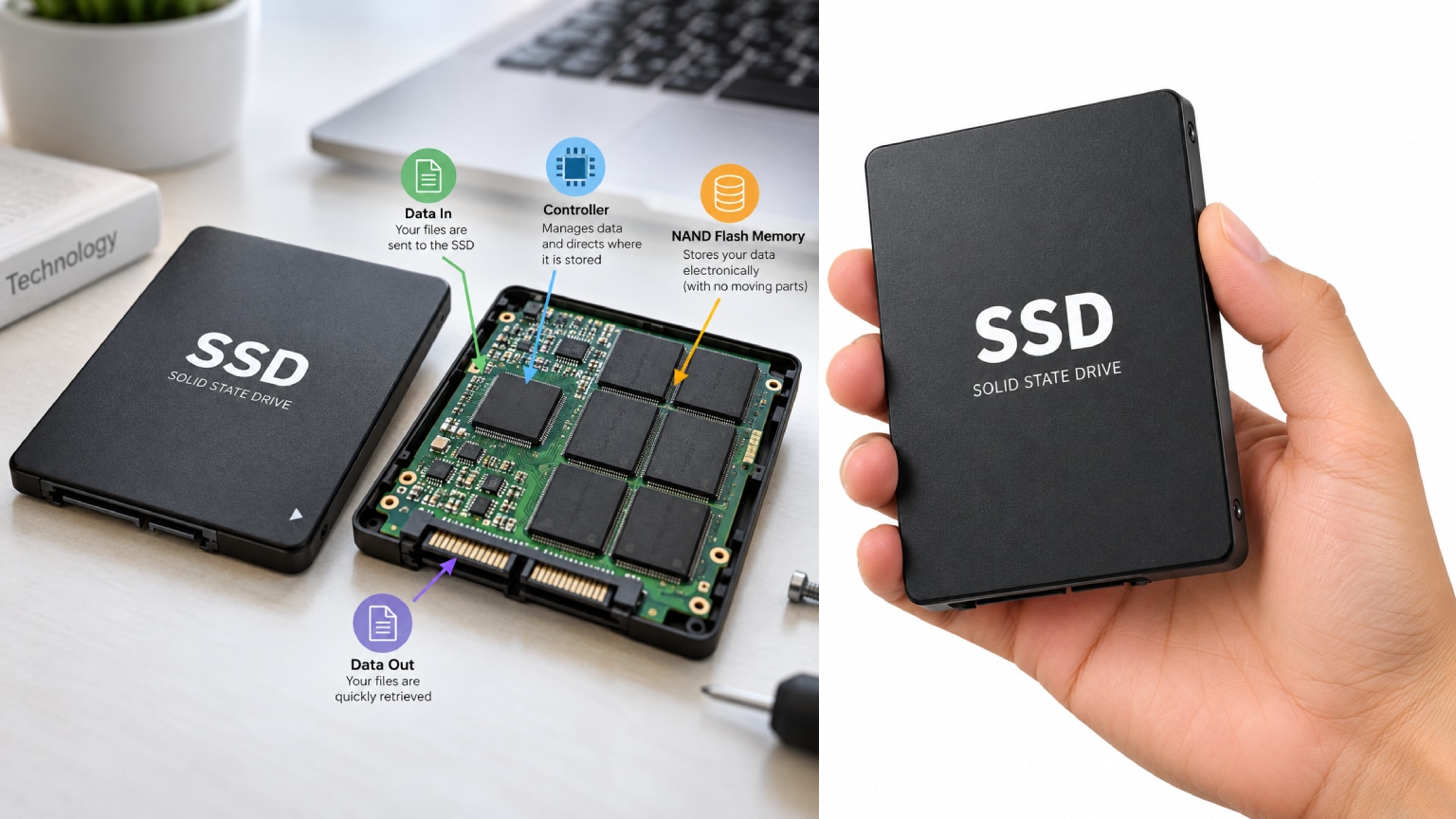
The evolution of data storage has transformed the way businesses manage information, with the solid state drive emerging as the undisputed standard for speed and reliability. For wholesalers, distributors, and B2B buyers, understanding the intricacies of this technology is no longer optional but a critical component of product strategy. As we move through 2025, the demand for high-performance ssd storage continues to surge, driven by enterprise needs and consumer expectations for instant responsiveness. Navigating this landscape requires a deep dive into the mechanics, market trends, and customization opportunities that define the modern storage industry. This guide provides a comprehensive overview tailored for industry professionals looking to leverage solid state flash drive technology for competitive advantage.
1. How Does a Solid State Drive Function Internally?
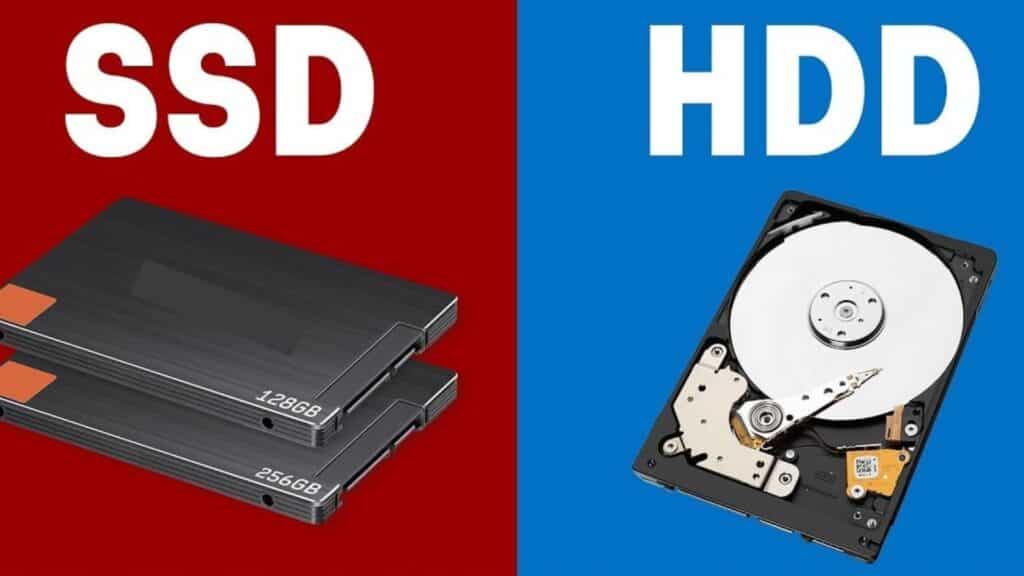
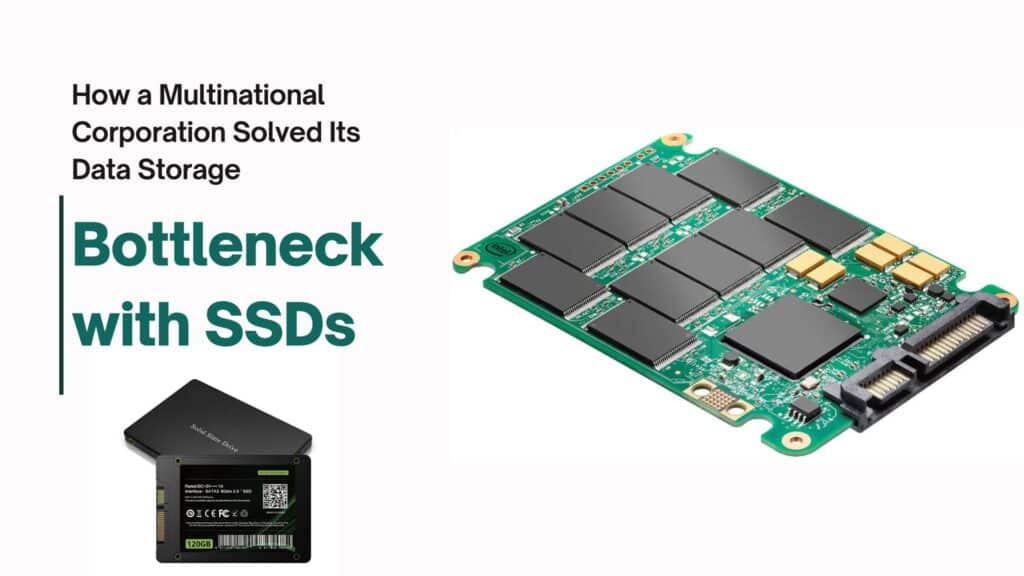
The fundamental architecture of a ssd operates on principles vastly different from traditional hard disk drives, utilizing flash memory to store data persistently without any moving mechanical parts. Inside every ssd storage unit, there are NAND flash memory chips—often floating gate transistors—that retain electrical charges even when power is disconnected. This absence of spinning platters or read/write heads makes the ssd inherently more resistant to physical shock and vibration, a crucial selling point for distributors targeting rugged industrial clients. The structural integrity of these components ensures data safety during transit, reducing the risk of inventory damage and returns for wholesalers.
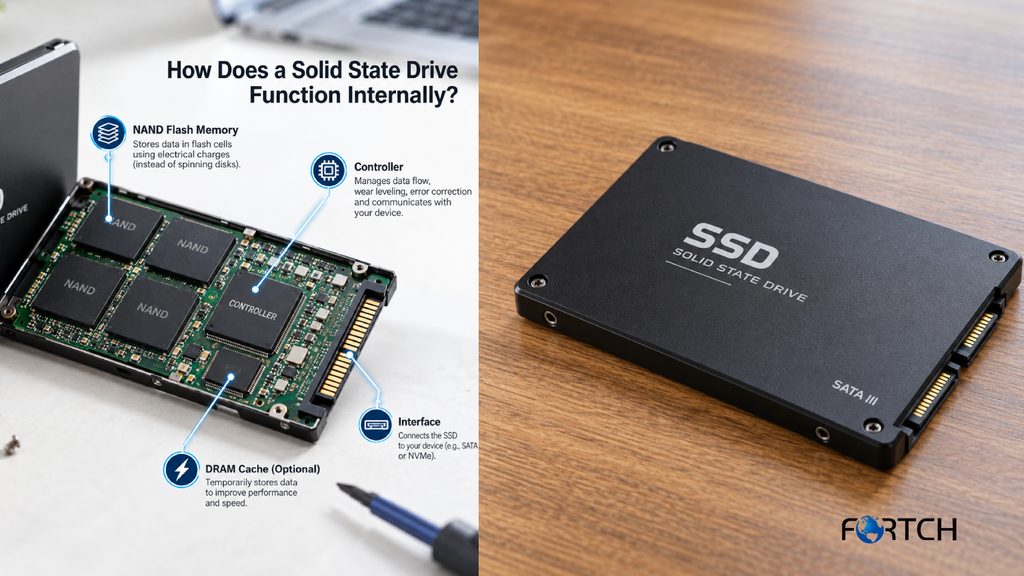
Data retrieval in a ssd is managed by a sophisticated controller embedded within the device, which acts as the brain of the operation. This controller executes complex algorithms to manage data storage, error correction, and wear leveling, ensuring the longevity of the ssd storage cells. For B2B buyers, the quality of this controller is paramount, as it dictates sustained performance under heavy workloads. When sourcing ssd products, it is essential to evaluate the specifications of the controller chip, as high-quality controllers significantly enhance the throughput and reliability required by enterprise environments. This technical distinction is a key value proposition for premium wholesale offerings.
The communication interface serves as the bridge between the solid state drive and the host computer, typically utilizing protocols such as SATA, SAS, or the increasingly prevalent NVMe over PCIe. These interfaces determine the maximum speed at which data can travel, with NVMe offering significantly higher bandwidth for storage compared to older SATA standards. Understanding these interfaces allows wholesalers to segment their inventory effectively, matching the right ssd technology to the specific needs of their customers, whether for general office upgrades or high-performance gaming rigs. The choice of interface directly impacts the end-user experience, making it a critical factor in product selection.
Manufacturing advancements in 3D NAND technology have further propelled the capabilities of the ssd, allowing for greater density and lower costs per gigabyte. By stacking memory cells vertically, manufacturers can fit more capacity into a smaller form factor without compromising the speed of the ssd storage. This innovation is particularly beneficial for the wholesale market, as it enables the distribution of high-capacity solid state flash drive units at competitive price points. The shift towards 3D NAND represents a significant trend in 2025, allowing businesses to offer terabytes of storage in ultra-compact designs, meeting the growing data demands of modern software and media applications.
2. Why Is the Shift Toward SSD Storage Accelerating in 2025?
The global market for data storage is undergoing a massive transformation, with industry reports projecting the enterprise solid state drive market to exceed $80 billion by 2026. This explosive growth is driven by the sheer volume of data generated by artificial intelligence, big data analytics, and cloud computing, all of which require the high IOPS (Input/Output Operations Per Second) that only ssd storage can provide. Businesses are migrating away from legacy mechanical drives not merely for speed, but out of necessity, as modern applications simply cannot function efficiently on older hardware. For wholesalers, this shift represents a sustained demand curve, necessitating a robust inventory of ssd solutions to meet enterprise procurement needs.
Remote work and the hybrid office model have permanently altered the IT procurement landscape, placing a premium on fast, reliable, and portable solid state drive technology. Employees working from home require rapid boot times and quick file access to maintain productivity, leading companies to bulk purchase ssd storage for laptop upgrades and external backup solutions. The reliability of a ssd reduces IT support tickets related to drive failures, offering a lower total cost of ownership for businesses. Consequently, B2B buyers are prioritizing storage solutions that minimize downtime, making the solid state drive a standard requirement in corporate hardware refresh cycles.
In the gaming and content creation sectors, the demand for speed is pushing the boundaries of what ssd storage can deliver. With the latest gaming consoles and PC hardware now requiring high-speed ssd technology for optimal performance, the retail and wholesale channels are seeing unprecedented volume in NVMe drives. Content creators dealing with 4K and 8K video footage rely on the massive bandwidth of ssd products to edit smoothly without dropped frames. This consumer trend trickles down to B2B distributors, who must stock a variety of form factors and speeds to cater to the high-end gaming and creative professional markets.
Sustainability and energy efficiency are also becoming critical decision-making factors for IT directors, influencing the procurement of ssd hardware. Unlike mechanical HDDs, ssd storage consumes significantly less power and generates less heat, contributing to greener data centers and longer battery life in mobile devices. As corporate sustainability goals tighten for 2025 and beyond, the ssd is increasingly viewed as an eco-friendly hardware choice. Wholesalers who highlight the energy efficiency of their storage portfolio can better align with the green procurement policies of large enterprise clients, gaining a competitive edge in the bidding process.
3. Which Types of Solid State Flash Drives Suit Different Business Needs?
3.1. How Does SATA Technology Serve Legacy Systems?
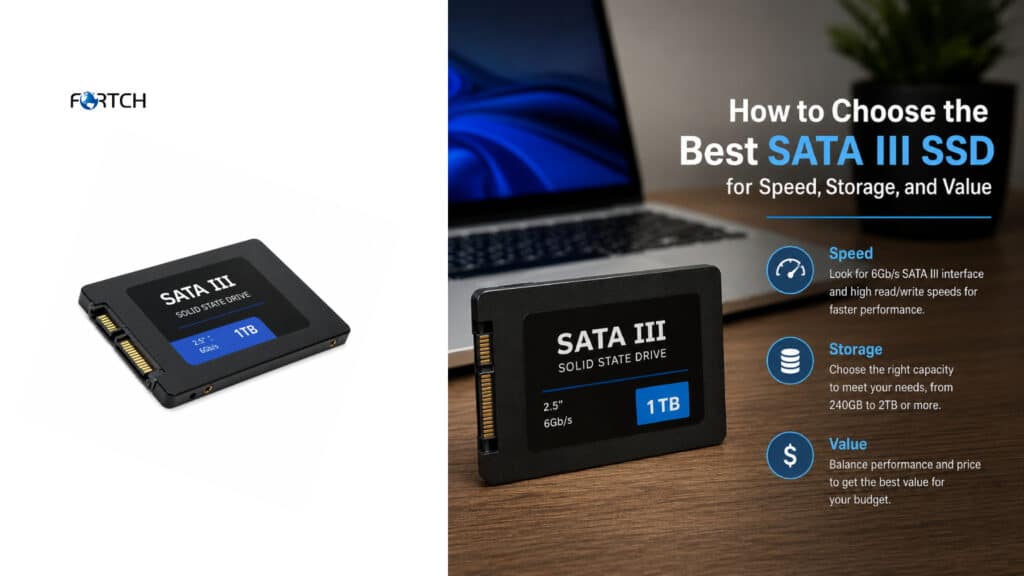
SATA solid state drive technology remains a cornerstone of the wholesale market due to its backward compatibility and cost-effectiveness. Many businesses operating on older hardware cannot justify the expense of a complete system overhaul, making SATA ssd storage the perfect upgrade path to revitalize existing infrastructure. Distributors often find that SATA solid state flash drive units are high-volume movers because they fit into the standard 3.5-inch or 2.5-inch bays found in millions of corporate desktops and older laptops. This compatibility factor ensures that wholesalers can move significant inventory quantities by targeting the IT maintenance and repair sectors.
The maturity of the SATA interface means that the production costs for a solid state drive utilizing this connection are lower, allowing for aggressive wholesale pricing. For B2B buyers focused on bottom-line value, SATA ssd storage offers a tangible performance boost over mechanical drives without the premium price tag of newer NVMe technology. This makes SATA ssd products ideal for bulk deployments in budget-conscious sectors such as education and government. Wholesale suppliers can capitalize on this by offering bulk packs specifically designed for system integrators who manage large-scale fleet upgrades for legacy systems.
While newer interfaces exist, the reliability of SATA ssd technology is proven, with a long track record of stable performance in various environments. For general office tasks, boot drives, and light data processing, the speed limits of the SATA interface are rarely a bottleneck. Consequently, ssd storage with a SATA interface remains a highly relevant product category for wholesalers serving the general business market. Marketing these solid state flash drive units as reliable workhorses helps set accurate customer expectations while ensuring high satisfaction rates for standard computing tasks.
Customization options for SATA ssd enclosures also provide a unique avenue for wholesalers to add value. By offering custom branding, specific color coding for inventory management, or reinforced casings for industrial use, distributors can differentiate their ssd storage offerings in a crowded market. These tailored solid state flash drive solutions allow B2B clients to maintain brand consistency or meet specific physical durability requirements. For wholesalers, providing these customization options transforms a commodity product into a specialized service, fostering stronger client relationships and higher margins.
3.2. Why Choose NVMe for High-Performance Custom Solutions?
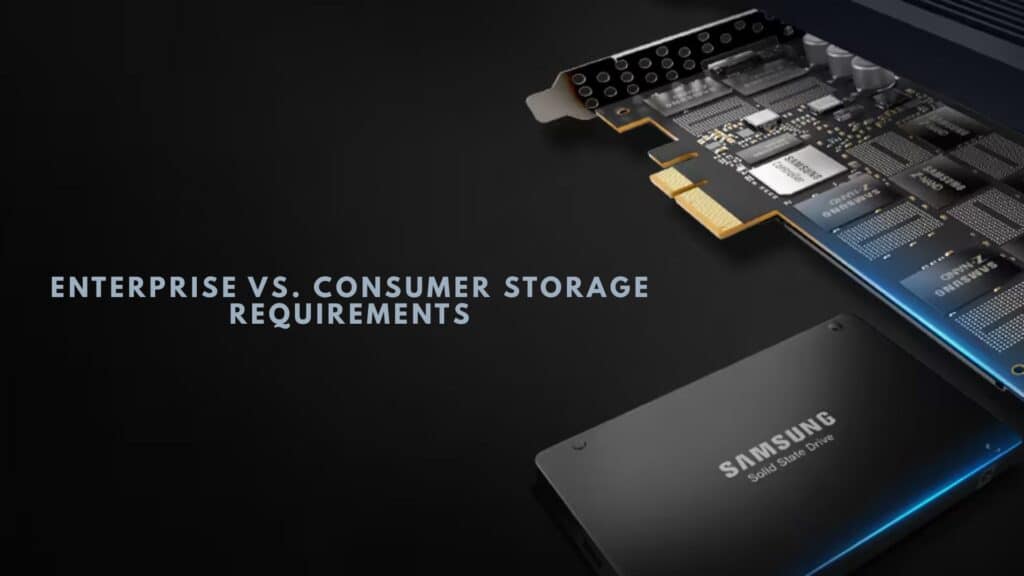
NVMe (Non-Volatile Memory Express) technology represents the pinnacle of solid state drive performance, designed specifically to unlock the full potential of flash memory. By communicating directly with the system’s CPU via the PCIe bus, NVMe ssd storage delivers read and write speeds up to six times faster than SATA drives. For high-performance trading floors, video editing studios, and gaming enterprises, this speed differential is critical, making the solid state flash drive a non-negotiable component of their IT infrastructure. Wholesalers catering to these high-end sectors must prioritize NVMe inventory to meet the rigorous demands of power users.
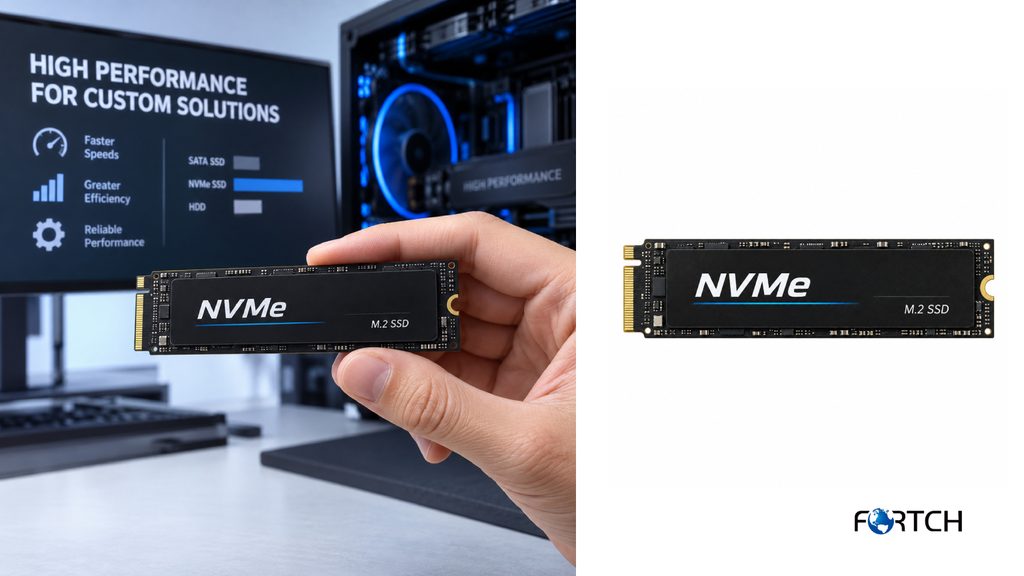
The architecture of NVMe allows for a much deeper command queue and parallel processing, which means that an NVMe ssd can handle multiple data streams simultaneously without lag. This capability is essential for heavy multitasking and complex data analysis workloads where traditional ssd storage might stutter. As businesses increasingly rely on real-time data processing in 2025, the ssd that utilizes NVMe technology becomes a strategic asset. Distributors should emphasize this technical superiority when marketing to enterprise clients who require uncompromising system responsiveness and data throughput.
Form factors such as M.2 for NVMe drives have revolutionized the physical design of PCs and laptops, allowing for slimmer profiles and better airflow. The compact nature of these solid state drive units is crucial for the development of ultrabooks, mini-PCs, and embedded systems. For wholesalers, the M.2 ssd storage format is easier to ship and store, reducing logistical costs while offering a high-tech product that commands a premium. The solid state flash drive in this form factor is rapidly becoming the standard for new system builds, signaling a long-term shift in wholesale demand patterns.
Custom firmware solutions represent a burgeoning opportunity for wholesalers dealing in NVMe ssd technology. Manufacturers can now adjust the firmware of the ssd storage to prioritize either raw speed or data endurance, depending on the client’s specific use case. This level of customization enables B2B sellers to offer bespoke solid state flash drive solutions engineered for specific industries, such as write-intensive logging for servers or read-heavy caching for content delivery networks. By offering these tailored NVMe solutions, wholesalers move beyond simple distribution to becoming strategic technology partners for their clients.
4. How Can Customization Enhance Your SSD Storage Product Line?
4.1. Why Is Logo Branding Crucial for Corporate SSD Gifts?
In the competitive B2B landscape, a ssd often serves as more than just a storage component; it acts as a powerful marketing tool when customized. Corporate clients frequently seek high-quality ssd storage devices branded with their company logos to distribute as trade show giveaways, employee rewards, or client gifts. A well-branded solid state flash drive conveys a sense of technological sophistication and appreciation, enhancing the recipient’s perception of the giving company. For wholesalers, offering logo printing services opens up a lucrative revenue stream, transforming standard tech products into personalized promotional items with higher perceived value.
The durability of a ssd makes it an ideal branding vehicle because it ensures the logo remains visible for years, unlike perishable promotional items. Every time a client or employee uses the customized ssd storage, they are reminded of the brand that provided it, creating repeated exposure. This longevity makes the investment in a branded solid state flash drive highly effective from a marketing ROI perspective. Wholesalers who can provide high-resolution, laser-engraved, or full-color UV printing on drives will find strong demand from marketing agencies and corporate procurement departments looking for lasting brand impact.
Customization extends beyond mere aesthetics; it allows for the pre-loading of marketing materials or product catalogs onto the solid state drive. Businesses can distribute a ssd storage unit that not only carries their logo but also automatically launches a digital presentation or website when plugged into a computer. This functionality turns a passive solid state flash drive into an active sales tool, delivering digital content directly to the hands of prospective customers. Wholesalers offering this data pre-loading service provide a complete marketing solution, significantly increasing the value proposition of their inventory.
The perceived premium nature of technology gifts means that a custom solid state drive carries a higher prestige value than traditional items like pens or mugs. Executives and IT professionals value functional tech accessories, making a customized ssd storage unit a desirable gift. For B2B buyers, procuring these branded solid state flash drive products helps them build relationships and goodwill with their own stakeholders. Consequently, wholesalers should market these customizable drives as premium corporate gifts, highlighting the blend of utility, durability, and brand visibility.
4.2. How Does Firmware Customization Benefit Enterprise Clients?
Firmware customization allows a solid state drive to be fine-tuned for specific industrial or enterprise applications, providing a level of optimization that off-the-shelf products cannot match. By modifying the firmware, manufacturers can adjust how the ssd storage handles error correction, garbage collection, and power management. For example, an industrial solid state flash drive might be configured to prioritize data integrity in extreme temperatures, whereas a consumer drive might prioritize speed. Wholesalers who facilitate these custom firmware solutions can effectively serve niche markets such as automotive, aerospace, and industrial automation, where standard drives fail.
Enterprise clients often require specific security protocols integrated directly into the solid state drive hardware to comply with data protection regulations. Custom firmware can enable features such as hardware encryption, secure erase, and write protection, ensuring that sensitive ssd storage remains secure even if the device is physically removed. This level of security is mandatory for government and defense contracts, making a customizable solid state flash drive a critical component of their supply chain. Wholesalers capable of delivering these security-compliant drives can tap into high-value sectors with strict compliance requirements.
In the realm of surveillance and CCTV, the firmware of a solid state drive can be optimized for continuous writing, reducing the risk of frame drops or data corruption during 24/7 recording. Standard ssd storage may not be calibrated for this type of sustained workload, leading to premature failure. By offering drives with “surveillance-grade” firmware, distributors can address the specific needs of the security industry. The solid state flash drive tailored for this purpose ensures reliability and longevity, reducing maintenance costs for security system integrators.
Custom firmware also enables better integration with specific operating systems or proprietary hardware platforms used by OEMs (Original Equipment Manufacturers). When a ssd is designed to work seamlessly with a proprietary system, it eliminates compatibility issues and reduces technical support burdens. For manufacturers of kiosks, digital signage, or medical devices, sourcing ssd storage with custom firmware ensures a stable and user-friendly end product. Wholesalers that understand and offer these technical distinctions position themselves as essential partners in the OEM supply chain, moving beyond simple box-moving.
5. Why Partner with Specialized Manufacturers for Solid State Drives?
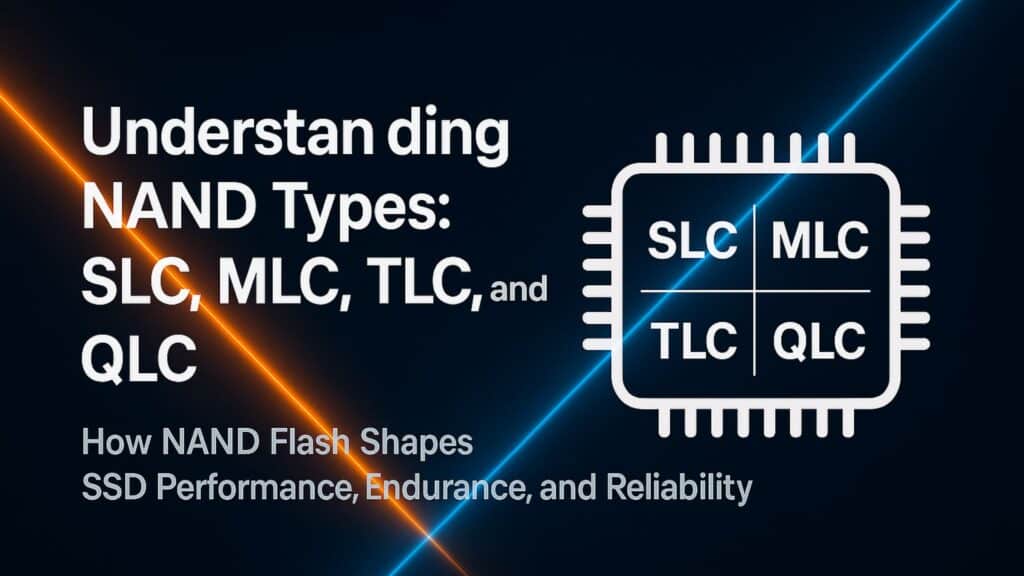
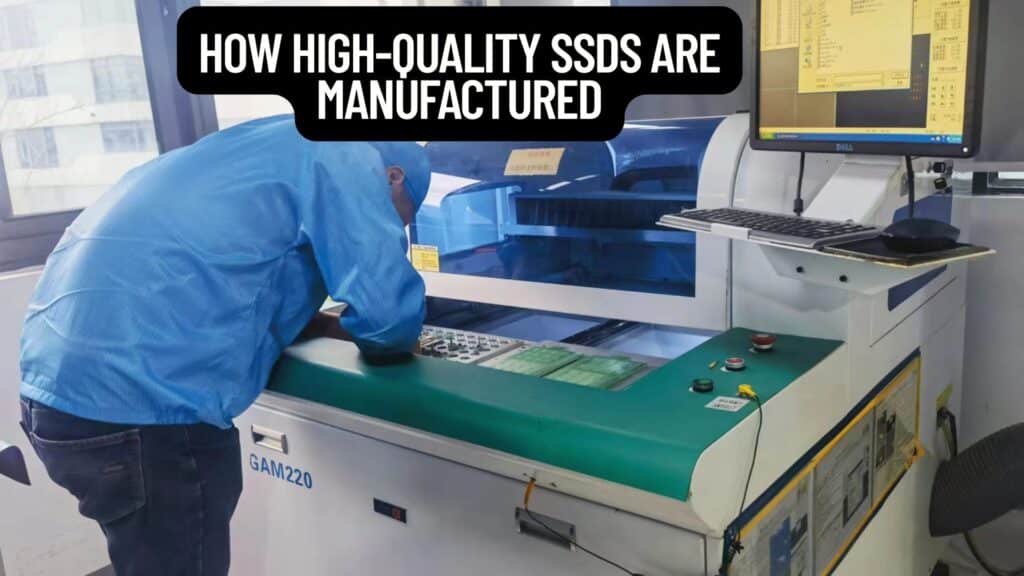
The complexity of solid state drive manufacturing necessitates a partnership with factories that possess deep technical expertise and advanced production capabilities. Specialized manufacturers invest heavily in R&D to stay ahead of ssd storage technology trends, such as the transition to PCIe Gen5 and QLC NAND. By partnering directly with these experts, wholesalers gain early access to the latest solid state flash drive innovations before they hit the broader mass market. This first-mover advantage is crucial for B2B distributors looking to differentiate their product offerings with cutting-edge technology.
Quality control is the most significant risk factor in the solid state drive supply chain, as counterfeit or low-grade components can ruin a distributor’s reputation. Established manufacturers implement rigorous testing protocols for every ssd storage unit, ensuring that only products meeting strict performance and durability standards are shipped. A specialized partner will provide transparent test reports and warranty support for every solid state flash drive sold. For wholesalers, this reliability translates to lower return rates and higher customer trust, which are the foundations of long-term business growth.
Scalability is another critical reason to partner with specialized solid state drive manufacturers, as market demand can fluctuate wildly based on global tech trends. During the chip shortage of recent years, partners with strong supply chain relationships were able to secure steady allocations of ssd storage while others faced stockouts. A specialized manufacturer has the procurement power to secure NAND flash and controllers, ensuring a consistent supply of solid state flash drive inventory. This stability allows wholesalers to fulfill large B2B contracts and bulk orders without interruption, securing their position as a reliable supplier.
Finally, specialized manufacturers offer comprehensive OEM/ODM services that allow wholesalers to create proprietary solid state drive lines. From custom casings and unique connectors to specialized packaging, these services enable a distributor to build a private-label brand of ssd storage. In a market flooded with generic products, a custom-branded solid state flash drive line fosters brand loyalty and allows for better margin control. By leveraging the manufacturing prowess of a specialized partner, wholesalers can evolve from resellers into brand owners, capturing more value in the supply chain.
Conclusion
Understanding how a ssd works is merely the first step; capitalizing on the technology requires a strategic approach to sourcing and customization. As the market for ssd storage expands through 2025 and beyond, opportunities abound for wholesalers who can provide tailored solutions to specific industry needs. By prioritizing quality, offering extensive customization options, and partnering with specialized manufacturers, B2B buyers can unlock significant value. The future of data storage is solid-state, fast, and highly customizable, making now the ideal time to refine your product offerings. Contact our sales team today to discuss how we can help you build a premium ssd inventory tailored to your market demands.
Frequently Asked Questions
1. How does a solid state drive function without moving parts?
A solid state drive uses NAND flash memory chips to store data electronically rather than magnetically. An embedded controller manages data flow, ensuring rapid access and high reliability for ssd storage.
2. Why are businesses shifting to SSD storage in 2025?
Companies are upgrading to handle data-intensive applications like AI and real-time analytics that require high speed. The durability and energy efficiency of a solid state flash drive also lower long-term operational costs.
3. What is the main difference between SATA and NVMe drives?
SATA drives offer cost-effective compatibility with older legacy systems, while NVMe drives utilize the PCIe bus for superior performance. Choosing the right ssd storage depends on whether the client prioritizes budget or cutting-edge speed.
4. Can I customize solid state drives with my company logo?
Yes, we offer extensive customization services including laser engraving and full-color UV printing for branding. These options transform a standard solid state drive into a premium corporate gift or promotional item.
5. How does 3D NAND technology impact storage capacity?
3D NAND stacks memory cells vertically, which allows for significantly higher data density in a smaller physical footprint. This innovation enables wholesalers to offer high-capacity solid state flash drive units at competitive prices.
6. Are custom firmware options available for enterprise clients?
We can adjust drive firmware to prioritize specific features like hardware encryption, sustained write performance, or power management. Customized firmware ensures the ssd storage meets the rigorous demands of specialized industrial applications.
7. What makes an SSD more reliable than a traditional HDD?
The absence of moving mechanical parts makes a solid state drive resistant to physical shock and vibration. This structural integrity significantly reduces the risk of data loss during shipping or daily use in rugged environments.
8. Can we pre-load digital content onto the drives before shipping?
We provide data pre-loading services where catalogs, marketing materials, or auto-run software are added to the drive. This capability turns a simple solid state flash drive into a powerful direct marketing tool.
9. What are the minimum order quantities for wholesale customization?
We accommodate various order sizes, ranging from small bulk batches to large-scale wholesale shipments for major enterprises. Flexible minimum order quantities allow businesses of all sizes to access tailored storage solutions.
10. How do I choose the right form factor for my customers?
The 2.5-inch form factor is ideal for replacing old hard drives in laptops and desktops, while M.2 is best for modern slim devices. Selecting the correct solid state drive form factor is crucial for ensuring seamless hardware compatibility.