

Solid State Drive for PC Explained: Why Your Computer Needs an SSD

Introduction
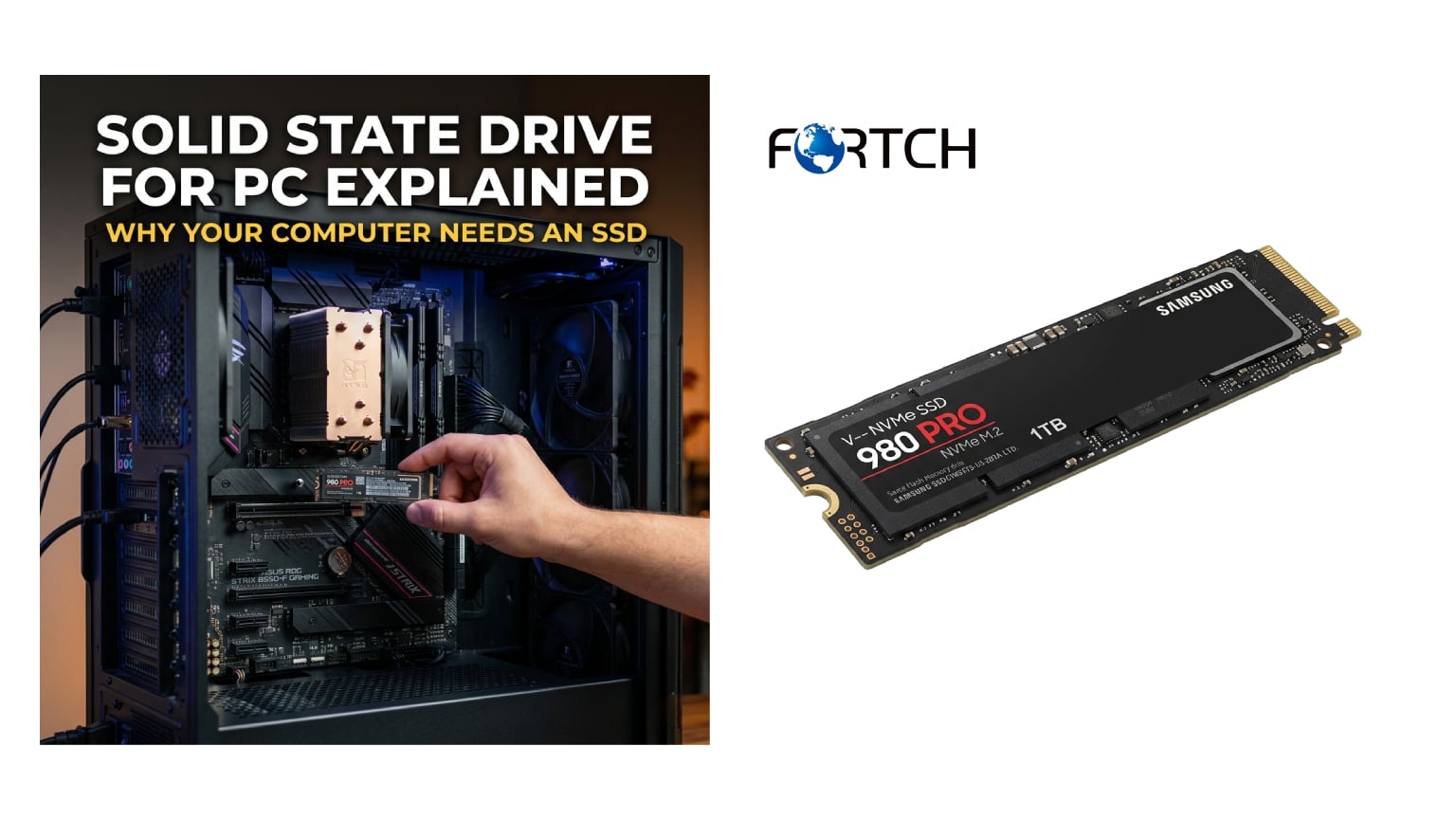
In the rapidly evolving landscape of computer hardware, few upgrades have transformed the user experience as dramatically as the solid state drive for pc. As businesses and consumers alike demand faster data processing, instant boot times, and enhanced reliability, the traditional hard disk drive is quickly becoming obsolete. This shift is not merely a trend but a fundamental change in how data is stored and accessed, impacting everything from daily productivity to complex enterprise operations. For wholesalers, system integrators, and procurement managers, understanding the mechanics and market value of SSDs is essential for making informed inventory decisions that meet the high standards of 2025.
The global storage market has seen a significant pivot toward flash-based solutions, driven by the need for speed and durability in a data-centric world. Recent industry analyses highlight that the adoption rate of solid-state technology in business sectors has surpassed previous projections, making it a standard requirement rather than an optional add-on. This introduction explores the critical nature of this technology, examining why the solid state drive for pc is the heartbeat of modern computing. We will delve into the specific benefits, the various form factors available for customization, and the strategic advantages for B2B buyers looking to leverage high-performance storage solutions for their clients.
1. Why a Solid State Drive for PC Is a Critical Upgrade in 2025
The rapid evolution of data processing technology has made the solid state drive for pc an indispensable component for modern computing. Unlike traditional spinning disk drives, SSDs utilize non-volatile memory to deliver vastly superior performance and reliability. For businesses and resellers, understanding the shift toward flash-based storage is not merely about speed; it is about operational efficiency and future-proofing inventory. As we move further into 2025, the reliance on fast, responsive storage dictates the productivity of entire organizations, making the upgrade from older technologies a necessity rather than a luxury. The transition represents a fundamental change in how data is accessed, managed, and secured across various professional environments.
Market data from 2025 indicates that over 85% of new business laptops and desktops are shipped exclusively with solid-state storage, relegating Hard Disk Drives (HDDs) to niche archival roles. This massive industry adoption is driven by the plummeting cost of NAND flash memory and the increasing demand for instant-on computing experiences. For wholesale buyers and IT procurement managers, this statistic underscores the urgency of phasing out legacy systems. The market is moving aggressively toward flash-based solutions, and stocking or deploying systems without a modern solid state drive for pc results in a competitive disadvantage. The sheer volume of production has optimized the supply chain, making high-speed storage accessible for bulk procurement and large-scale enterprise deployments.
The impact on the end-user experience is profound, influencing everything from boot times to complex data analysis tasks. A computer equipped with a quality SSD eliminates the bottleneck commonly associated with data retrieval, allowing the CPU and GPU to function at their full potential. In a B2B context, this translates to reduced downtime for employees waiting for applications to load and faster processing of large datasets. For wholesalers focusing on customization, offering PCs with tiered SSD performance options allows clients to match hardware capabilities with specific workflow requirements. This ensures that every dollar spent on computing infrastructure delivers tangible returns in speed and efficiency.
Looking ahead to 2026, industry forecasts predict a further surge in the integration of AI-driven storage management within consumer and enterprise SSDs. These smart drives will optimize data placement automatically, extending drive lifespan and maintaining peak performance over time. For businesses involved in bulk purchasing and system integration, staying ahead of these trends is vital. Customizing solutions that incorporate these next-generation storage technologies positions a brand as a leader in innovation. Therefore, upgrading to or standardizing on a solid state drive for pc is a strategic decision that aligns with the trajectory of the entire hardware industry.
1.1. How Performance Gaps Define User Experience
The performance gap between an SSD and an HDD is the single most significant factor influencing user satisfaction in modern computing. While older hard drives rely on mechanical arms to read data from spinning platters, a solid state drive for pc accesses data electronically, resulting in near-instantaneous retrieval. For a business user, this difference is not just theoretical; it represents a tangible reduction in wait times for opening large files, booting operating systems, and launching resource-intensive applications. The elimination of mechanical latency means that workflows are no longer interrupted by the clicking and whirring of traditional drives, leading to a smoother, more professional operational environment.
Statistics from late 2024 reveal that employees using SSD-equipped systems report a 30% increase in productivity due to reduced I/O bottlenecks. In a wholesale or B2B context, this productivity boost is a key selling point when proposing hardware upgrades to corporate clients. Systems that respond immediately to user input reduce frustration and allow for a more fluid multitasking experience. When procuring equipment for bulk deployment, prioritizing storage performance ensures that the end-users—whether they are designers, accountants, or developers—have the tools they need to work without technical hindrances. The focus keyword here remains central, as the choice of storage directly dictates the capability of the PC.
Furthermore, the performance consistency of an SSD over time is far superior to that of fragmented HDDs. Traditional drives suffer from performance degradation as files become scattered across the platter, necessitating regular maintenance and defragmentation. In contrast, a solid state drive for pc maintains high read and write speeds regardless of where data is stored physically on the memory chips. This consistency is crucial for business-critical applications where timing is everything, such as real-time data processing or financial transactions. For wholesalers offering customized solutions, highlighting this reliability can be a decisive factor for clients who cannot afford system slowdowns.
As we look toward 2026, the performance gap is expected to widen even further with the advent of PCIe Gen 5 and NVMe 2.0 technologies. These advancements will push the boundaries of what is possible, offering sequential read speeds that double or triple current standards. Businesses preparing for future data loads should consider these roadmap insights when engaging in wholesale purchasing today. By selecting scalable solid state drive for pc options now, companies can ensure their infrastructure remains robust and capable of handling next-generation software demands without requiring immediate, costly replacements.
1.2. Why Durability and Reliability Matter for B2B Clients
Durability is a paramount concern for B2B clients who deploy laptops and mobile workstations in the field. Traditional mechanical hard drives are notoriously fragile due to their moving parts; a simple drop or vibration can cause catastrophic data loss. A solid state drive for pc, being fundamentally electronic, has no moving parts, making it inherently more resistant to physical shock and vibration. This resilience is critical for industries such as logistics, construction, and field services, where computers are frequently subjected to rugged conditions. For wholesalers catering to these sectors, offering ruggedized PCs with SSDs is not just a feature—it is a requirement for operational continuity.
The reliability of storage media directly impacts the total cost of ownership (TCO) for businesses. Drive failure results in downtime, data recovery expenses, and potential loss of revenue. Recent industry data suggests that the annualized failure rate (AFR) of modern SSDs is significantly lower than that of HDDs, particularly in mobile environments. By integrating a high-quality solid state drive for pc into their product lines, resellers can confidently market lower failure rates and longer lifespans. This reliability is a strong value proposition for IT managers looking to reduce helpdesk tickets and maintenance overheads associated with hardware failures. The peace of mind offered by durable storage is a compelling sales argument.
For businesses involved in customization, the ability to source SSDs with specific endurance ratings (TBW) adds another layer of value proposition. Different workloads exert different stresses on storage media; a database server requires a drive with higher write endurance than a typical office kiosk. Being able to tailor the solid state drive for pc configuration to the specific use case ensures that the client is not overpaying for unnecessary specs or, conversely, under-provisioning critical systems. This level of granular customization fosters stronger B2B relationships, as clients recognize the expertise and attention to detail in the proposed solutions.
Looking at 2026 trends, we expect to see the introduction of self-healing firmware and advanced error correction codes (ECC) in enterprise-grade SSDs. These innovations will further enhance data integrity and drive longevity, pushing the boundaries of reliability even in the most demanding write-heavy environments. Staying informed about these developments allows wholesalers to advise their clients accurately on future-proofing their data storage strategies. Emphasizing the durability of the solid state drive for pc is therefore essential for building trust and ensuring long-term customer satisfaction in a competitive market.
1.3. How Energy Efficiency Improves Operational Costs
Energy efficiency is often an overlooked benefit of upgrading to a solid state drive for pc, yet it has significant implications for operational costs, particularly at scale. SSDs consume considerably less power than their mechanical counterparts, primarily because they do not require energy to spin platters or move actuator arms. For large enterprises running thousands of workstations, or for data centers managing massive storage arrays, this reduction in power draw translates to substantial savings on electricity bills. In an era where corporate sustainability goals are increasingly important, reducing the energy footprint of IT assets is a strategic priority for many organizations.
The heat generation of a storage device also affects the overall thermal management of a computer system. Mechanical drives generate significant heat, which requires additional cooling fan power and can create thermal hotspots within a chassis. A solid state drive for pc operates at cooler temperatures, allowing for quieter fan profiles and potentially longer battery life in portable devices. For businesses deploying fleets of laptops, this extended battery life can mean hours of additional productivity per charge per day. Wholesalers can leverage this point when marketing to companies with mobile workforces, highlighting how SSD-equipped devices reduce the need for frequent charging and improve the user experience on the go.
From a customization perspective, the lower power envelope of SSDs enables more innovative form factor designs. Without the bulk and heat of a 3.5-inch hard drive, manufacturers can design smaller, sleeker, and more efficient PC cases. This allows B2B buyers to deploy compact systems in tight spaces, such as call centers or retail kiosks, without sacrificing storage capacity or performance. The flexibility offered by the solid state drive for pc in system design is a key advantage for custom PC builders. It allows them to create highly specialized solutions that are both energy-efficient and powerful, meeting the exacting standards of diverse commercial clients.
Projections for 2026 suggest that energy efficiency standards for electronics will become even more stringent globally. Storage manufacturers are already investing heavily in low-power NAND technologies and advanced controller sleep states to meet these upcoming regulations. By aligning product offerings with these energy-efficient technologies now, wholesalers can ensure their inventory remains compliant and attractive to eco-conscious buyers. Promoting the solid state drive for pc as a green technology not only helps the environment but also provides a fiscally responsible choice for businesses looking to optimize their operational expenditures.
2. Which Form Factors and Interfaces Suit Your Needs
Navigating the landscape of SSD form factors and interfaces is crucial for selecting the right components for any PC build or upgrade. The market offers a variety of shapes and connection types, each designed for specific use cases, from ultra-thin notebooks to high-performance workstations. The most common interfaces include SATA and NVMe, which utilize different physical connectors and communication protocols to transfer data. Understanding these distinctions is vital for wholesalers and system integrators who need to provide compatible and high-performance solutions. The choice of sata solid state drive versus NVMe often depends on the balance between legacy compatibility and cutting-edge speed.
The sata solid state drive remains a popular choice due to its backward compatibility with older motherboards and its cost-effectiveness. While SATA III limits the maximum theoretical speed to around 600 MB/s, this is still sufficient for the vast majority of everyday business applications, such as document editing, web browsing, and media playback. For businesses upgrading legacy PC fleets without replacing the motherboards, the sata solid state drive provides a seamless path to improved responsiveness. It is a staple inventory item for wholesalers, offering a reliable upgrade path that extends the life of older hardware at a reasonable price point, preventing the need for total system overhauls.
On the other hand, NVMe (Non-Volatile Memory Express) drives, particularly those in the M.2 form factor, utilize the PCIe bus to achieve speeds significantly higher than SATA. With bandwidth capabilities exceeding 7,000 MB/s in Gen 4 models and even higher in upcoming Gen 5 models, NVMe drives are essential for data-intensive tasks like 4K video editing, 3D rendering, and complex computational analysis. For B2B clients in creative industries, recommending NVMe drives is a necessity. However, even for general office use, the snappy responsiveness of an NVMe solid state drive for pc provides a premium user experience that differentiates high-end custom builds from standard off-the-shelf options.
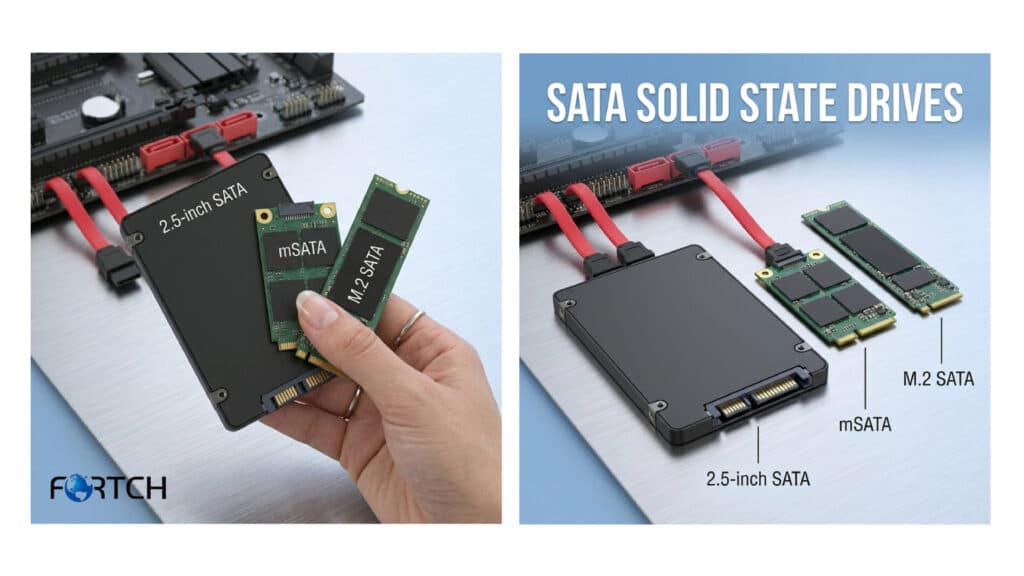
The physical form factor is equally important, with 2.5-inch drives and M.2 sticks being the dominant standards. The 2.5-inch sata solid state drive is easy to install in almost any desktop or laptop case, making it a versatile choice for bulk upgrades. M.2 drives, however, are soldered directly to the motherboard and require no cabling, which simplifies system assembly and improves airflow within the case. For custom PC builders, offering a mix of these form factors allows for greater flexibility in chassis design and thermal management. As we move into 2026, we anticipate a continued dominance of the M.2 form factor, pushing the 2.5-inch design primarily into external storage and specialized enterprise arrays.
2.1. Why SATA Solid State Drives Remain Relevant
Despite the rise of faster NVMe technology, the sata solid state drive continues to hold a significant share of the market, particularly in the B2B and wholesale sectors. Its relevance stems from its universality and the diminishing returns of speed for standard office tasks. For a typical employee using word processors, spreadsheets, and email clients, the difference between a SATA SSD and an NVMe drive is barely perceptible in daily operations. Therefore, the sata solid state drive represents the “sweet spot” of price-to-performance for large-scale enterprise rollouts where budget constraints are a primary consideration. It allows businesses to gain the reliability benefits of flash storage without paying a premium for top-tier speeds that their workflows may not utilize.
Cost efficiency is the driving force behind the sustained demand for SATA technology. The manufacturing maturity of the 2.5-inch form factor means that production costs are optimized, allowing for attractive wholesale pricing. For IT departments managing thousands of workstations, the savings achieved by choosing sata solid state drive options over NVMe can be redirected to other critical areas, such as increased memory or better displays. This economic advantage makes SATA a default choice for budget-conscious institutions like schools, government agencies, and back-office operations. Wholesalers can move large volumes of these drives by positioning them as the smart, economical choice for general-purpose computing.
Compatibility is another major factor ensuring the longevity of the SATA interface. Older corporate desktops and laptops often lack M.2 slots or the necessary BIOS support for modern NVMe boot drives. In these scenarios, a sata solid state drive is the only viable upgrade path that can breathe new life into aging hardware. Instead of scrapping functional machines, businesses can simply swap out the slow mechanical hard drive for a SATA SSD, instantly improving performance and extending the asset’s deployment cycle. This approach aligns with sustainable IT practices and offers significant cost savings compared to a full hardware refresh, a compelling argument for B2B clients focused on fiscal responsibility.
Furthermore, the 2025 market has seen the introduction of high-capacity sata solid state drive models reaching up to 8TB, catering to bulk storage needs that do not require extreme speeds. These high-capacity drives are ideal for network-attached storage (NAS) systems, backup servers, and surveillance recording, where reliability and capacity are prioritized over transfer rates. As we look toward 2026, industry experts predict that SATA will remain the interface of choice for secondary storage in high-performance workstations, acting as a capacious companion to a smaller, speed-focused NVMe boot drive. This dual-drive strategy is a powerful customization option for power users.
2.2. How to Choose Between M.2 and 2.5 Inch Drives
The choice between M.2 and 2.5-inch drives is a fundamental decision in the customization of any PC build, influencing both performance and internal aesthetics. The 2.5-inch sata solid state drive utilizes the standard SATA connection and is housed in a small metal enclosure, resembling a traditional laptop hard drive. This form factor is universally compatible with almost any desktop or laptop that has a standard drive bay. For wholesalers supplying generic upgrade kits, the 2.5-inch drive is the safest bet, ensuring that the end-user can install the storage regardless of their system’s specific motherboard layout. It is the workhorse of the storage industry, reliable and easy to handle during bulk assembly.
Conversely, the M.2 form factor is a compact, card-like drive that plugs directly into the motherboard, eliminating the need for cables and bulky drive bays. M.2 slots can support both SATA and NVMe protocols, but they are most famous for hosting the fastest NVMe drives on the market. For custom PC builders creating sleek, high-performance machines, the M.2 solid state drive for pc is the preferred choice as it allows for cleaner cable management and better airflow. The reduction in cable clutter not only improves the visual appeal of the build but also simplifies the assembly process for technicians, which is a valuable efficiency gain in a manufacturing or system integration setting.
When advising B2B clients, the decision often hinges on the specific use case and the existing infrastructure. If a client is upgrading a fleet of five-year-old office towers, the 2.5-inch sata solid state drive is likely the only practical option due to the lack of M.2 slots on older motherboards. However, for a new deployment of high-end engineering workstations, configuring these systems with Gen 4 or Gen 5 M.2 NVMe drives is essential to leverage the full capabilities of the hardware. Understanding the client’s hardware lifecycle is key to making the right recommendation, ensuring compatibility while maximizing the performance potential of the solid state drive for pc within their budget.
Market trends for 2026 indicate a shift toward even smaller form factors, such as the E1.s (EDSFF) for data center servers, while the consumer market remains split between 2.5-inch SATA and M.2. For B2B buyers, this means inventory planning must account for both the persistent legacy demand for 2.5-inch drives and the growing dominance of M.2. By offering both form factors, a wholesaler can cater to the entire spectrum of client needs, from simple retrofits to cutting-edge custom builds. This versatility ensures that no potential sale is lost due to a lack of compatible storage options.
2.3. Which Interface Standards Offer the Best Value
Determining the best value in storage interfaces requires a careful analysis of the price-to-performance ratio relative to the intended application. The SATA interface, with its limit of 600 MB/s, offers excellent value for general-purpose computing where extreme speed is not the primary bottleneck. A sata solid state drive provides a massive leap in performance over HDDs for a relatively low cost, making it the high-value choice for bulk administrative and educational deployments. For wholesalers, buying these drives in bulk allows for very competitive pricing, which can be passed on to price-sensitive B2B clients who need to upgrade hundreds or thousands of machines efficiently.
However, value is not solely defined by the lowest price; it is also defined by the performance gained per dollar spent. For creative professionals and financial analysts, the time saved by faster data transfers translates directly into money saved or earned. In these contexts, NVMe drives offer superior value despite their higher upfront cost. An NVMe solid state drive for pc can reduce file copy times by minutes and application loading times by seconds, which accumulates into hours of saved productivity over a year. For high-margin vertical markets, investing in NVMe technology is a rational economic decision that pays dividends in operational throughput.
The “best value” proposition also depends on the future-proofing of the technology. As software becomes more resource-intensive, the bandwidth requirements for storage will increase. Investing in a higher-spec solid state drive for pc today can extend the useful life of a computer by several years, delaying the need for replacement. This is a crucial selling point for B2B clients looking to maximize their capital expenditure (CAPEX). By amortizing the cost of a slightly more expensive drive over a longer lifespan, the total cost of ownership decreases, offering better long-term value. Wholesalers should emphasize this longevity when quoting NVMe solutions to forward-thinking businesses.
Looking ahead to 2026, the value equation will shift as PCIe Gen 5 drives become more mainstream and Gen 3 drives begin to phase out. We expect to see a “sweet spot” emerge with PCIe Gen 4 NVMe drives, offering near-top-tier speeds at mid-range prices. Savvy B2B buyers will focus on this tier to balance performance and budget. Similarly, the sata solid state drive will continue to be the value king for basic storage needs. By maintaining a diverse inventory that spans these performance tiers, wholesalers can ensure they always have the “best value” option available for every specific client requirement, regardless of their performance needs or budget constraints.
3. How to Source and Customize Drives for B2B Success
Sourcing storage components for B2B clients requires a strategic approach that goes beyond simply finding the lowest unit price. It involves establishing relationships with reliable manufacturers, verifying supply chain integrity, and understanding the specific technical requirements of diverse enterprise environments. For a wholesaler or system builder, the ability to source high-quality solid state drive for pc units consistently is the backbone of their business model. This process includes vetting suppliers for authentic NAND flash chips and robust controller technology, ensuring that the end product delivers the reliability and longevity that business clients demand. A failure in the supply chain can lead to stockouts and damage to reputation, making reliable sourcing paramount.
Customization is a key differentiator in the B2B storage market. Many enterprise clients have specific needs regarding branding, firmware configuration, or hardware encryption. Offering customized solid state drive for pc solutions—such as pre-configured with specific security protocols or labeled with the client’s corporate branding—adds significant value. This level of service transforms a generic component into a tailored IT solution. For instance, a government contractor might require drives with TCG Opal 2.0 self-encrypting standards as a mandatory specification. Being able to supply exactly these specialized drives builds trust and cements the supplier-client relationship, positioning the wholesaler as a strategic partner rather than a mere vendor.
Volume procurement agreements and tiered pricing structures are essential considerations when sourcing for B2B projects. Large-scale deployments, such as outfitting a new corporate headquarters or a university computer lab, involve hundreds or thousands of identical units. In these scenarios, negotiating directly with manufacturers or authorized distributors for sata solid state drive and NVMe batches can yield significant cost advantages. Wholesalers must leverage their buying power to secure the best possible terms, which can then be passed on to their clients. This economic agility allows B2B buyers to remain competitive in their bids and projects, securing large contracts through aggressive yet sustainable pricing.
Furthermore, the logistics of warehousing and just-in-time delivery play a critical role in B2B success. Storage components have high value density, meaning they are expensive relative to their size, but they also have a finite shelf life and can be subject to rapid price fluctuations due to silicon shortages or market demand spikes. An effective sourcing strategy includes buffer stock management of popular solid state drive for pc SKUs to insulate clients from market volatility. By ensuring product availability when clients need it most, wholesalers become indispensable allies in their clients’ supply chain, facilitating smooth project execution and deployment schedules.
3.1. Why Custom Firmware and Branding Build Loyalty
In the competitive landscape of B2B hardware sales, offering generic products is often insufficient to secure long-term contracts. Custom firmware and branding options provide a powerful way to differentiate a wholesale offering and build deep client loyalty. Many OEMs and system integrators require storage solutions that seamlessly integrate with their specific system images and management tools. By offering a solid state drive for pc with customized firmware that adjusts for power management or write-caching behaviors, a wholesaler can solve specific technical pain points for the client. This bespoke approach demonstrates a high level of technical competence and commitment to the client’s success, fostering a sense of partnership.
Branding is another critical aspect of customization. Large corporations and educational institutions often prefer to have their IT assets stamped with their own logo or asset tags for inventory management and security. A sata solid state drive or NVMe stick that arrives with the client’s branding already applied saves time during the deployment phase. It also enhances the professional image of the final product if the client is reselling the PCs under their own label. For wholesalers invested in white-label solutions, providing this service is a key value-add that justifies higher margins and protects against the commoditization of computer components. It turns a commodity into a proprietary asset.
Beyond visual branding, functional customization such as pre-partitioning or pre-loading specific software images can be a massive time-saver for IT departments. Imagine a scenario where a university orders 500 PCs; if the solid state drive for pc inside each unit comes pre-partitioned with the correct OS partitions and recovery tools, the IT team saves hundreds of hours of setup time. This “ready-to-deploy” capability is highly valued in B2B transactions. It reduces the total cost of ownership for the buyer and streamlines the rollout of new hardware, making the wholesaler’s offering significantly more attractive than that of competitors who supply bare, unconfigured drives.
Looking to 2026, we anticipate a rise in demand for “smart” custom firmware that interacts with cloud-based management platforms. As enterprises move toward edge computing and IoT, the ability to remotely monitor and update the solid state drive for pc firmware via a central dashboard will become a standard requirement. Wholesalers who can facilitate these advanced integration services will position themselves at the forefront of the industry. By investing in the capabilities to offer deep customization today, businesses build a moat of loyalty around their services, ensuring that clients have little incentive to switch to competitors who cannot match the tailored experience.
3.2. How to Leverage Bulk Pricing and Supply Chain Agility
Navigating the complexities of bulk pricing and supply chain management is a core competency for successful wholesalers in the storage sector. The price of NAND flash memory is subject to cyclical market trends, influenced by global supply, demand from smartphone manufacturers, and technological shifts. To offer the best rates on a solid state drive for pc, wholesalers must monitor these market trends closely and time their purchases strategically. Buying during market troughs and holding inventory allows a supplier to offer stable pricing to their B2B clients even when the spot market spikes. This price stability is highly valued by clients who need to budget for large projects months or quarters in advance.
Supply chain agility involves more than just buying low; it requires a robust logistics network capable of handling fluctuations in order volume. When a client wins a large tender for a new office building or a school district, they may need thousands of drives delivered within a short timeframe. A supplier with agile warehousing and strong distribution partnerships can fulfill these urgent demands for sata solid state drive units without delay. This reliability ensures that the client’s project timelines are not jeopardized by hardware shortages. In the B2B world, the ability to deliver on time is just as important as the price, and often serves as the deciding factor in vendor selection.
Diversifying the supplier base is another critical strategy for maintaining supply chain agility. Relying on a single manufacturer or distributor leaves a wholesaler vulnerable to production stoppages or shipping delays. By cultivating relationships with multiple vetted sources for solid state drive for pc components, a wholesaler can mitigate risk and ensure continuous availability. This approach also allows them to source the best specifications from different vendors, creating a curated catalog of high-performance drives. For the B2B buyer, this translates to a “one-stop-shop” experience where they can source all their storage needs from a single, reliable partner who has done the vetting and quality control for them.
As we approach 2026, geopolitical factors and trade policies will continue to impact the global semiconductor supply chain. Wholesalers who proactively manage these risks—perhaps by stocking buffer inventory in key geographic regions or by securing local assembly options—will provide their clients with a distinct advantage. Emphasizing this resilience in marketing materials can reassure B2B clients that their supply of critical solid state drive for pc components is secure against global disruptions. This peace of mind is a valuable commodity in itself, reinforcing the wholesaler’s role as a dependable pillar of the client’s business operations.
3.3. Which Quality Assurance Protocols Ensure Reliability
For B2B clients, the reliability of storage components is non-negotiable. A single batch of faulty drives can cripple an organization’s operations and lead to catastrophic data loss. Therefore, implementing rigorous Quality Assurance (QA) protocols is essential for any wholesaler or custom integrator. This process begins with the procurement of genuine, high-grade components. Counterfeit or low-grade NAND chips are a persistent issue in the global market. By ensuring that every solid state drive for pc is sourced from authorized channels and subjected to incoming inspection, wholesalers can guarantee the authenticity of the hardware. This foundational step prevents inferior products from ever entering the supply chain.
Beyond component verification, pre-shipment testing is a critical QA step. Drives intended for bulk deployment should undergo stress testing to verify that they meet the advertised read/write speeds and endurance ratings. For a sata solid state drive or NVMe unit, this might involve running burn-in tests that write and read data repeatedly to check for errors and thermal throttling. Providing clients with a certificate of conformity or a test report for each batch adds a layer of transparency and trust. It assures the B2B buyer that the drives they are installing have passed stringent performance benchmarks before leaving the warehouse, significantly reducing the likelihood of early-life failures in the field.
Long-term reliability is also ensured through warranty management and return processes. In the rare event that a solid state drive for pc does fail, a streamlined RMA (Return Merchandise Authorization) process is vital. B2B clients cannot afford to be bogged down in bureaucratic return procedures. Wholesalers who offer advance replacement warranties—where a new drive is shipped immediately upon reporting a fault—provide immense value. This minimizes downtime for the client and demonstrates the supplier’s confidence in the quality of their products. Such policies are often key differentiators when large enterprises are selecting vendors for multi-year contracts.
Looking forward to 2026, QA protocols will increasingly rely on automated diagnostics and AI-driven anomaly detection. Smart testing rigs will be able to predict the lifespan of a drive based on minute variances in electronic characteristics, flagging potential outliers before they are shipped. By adopting these advanced testing methodologies, wholesalers can further reduce the failure rates of the solid state drive for pc units they supply. For the end-user, this means virtually maintenance-free storage that performs reliably year after year. Investing in state-of-the-art QA is not just a cost of doing business; it is a marketing message that screams quality and reliability to every prospective B2B partner.
4. Which Future Trends Will Shape the SSD Market
The SSD market is dynamic, with new technologies constantly emerging that redefine performance standards and storage capacities. As we look toward the latter half of the 2020s, several key trends are poised to shape the industry. One of the most significant is the continued scaling of 3D NAND technology. Manufacturers are stacking memory cells higher—currently reaching upwards of 232 layers and aiming for 300+ by 2026. This vertical scaling allows for greater storage densities without increasing the physical footprint of the solid state drive for pc. For B2B buyers, this means that high-capacity drives will become more affordable, enabling cost-effective storage solutions for Big Data applications and extensive media libraries.
Another transformative trend is the widespread adoption of the PCIe Gen 5 interface, which offers double the bandwidth of Gen 4. While Gen 4 is currently the standard for high-performance drives, Gen 5 is rapidly entering the enterprise and enthusiast markets. Drives utilizing this interface can achieve sequential read speeds exceeding 14,000 MB/s, pushing the boundaries of data transfer rates. For wholesalers and system builders, staying abreast of this transition is crucial. Inventory planning must gradually shift toward these faster interfaces to meet the demands of cutting-edge software and gaming applications. The solid state drive for pc of the near future will be exponentially faster, necessitating updated motherboard platforms to fully utilize this speed.
The rise of Energy-Assisted Magnetic Recording (EAM) technologies, such as Microwave-Assisted Magnetic Recording (MAMR) and Heat-Assisted Magnetic Recording (HAMR), is also impacting the broader storage ecosystem. While primarily associated with HDDs, these technologies extend the life of mechanical storage, pushing SSDs to compete even more aggressively on price and performance. This competition benefits the consumer, driving down the cost of flash storage. Consequently, the sata solid state drive will remain a fiercely competitive value segment, forcing manufacturers to optimize their production processes continually. For B2B clients, this ongoing price war ensures that storage upgrades remain one of the most cost-effective ways to boost system performance.
Finally, the integration of Computational Storage is a trend to watch. This involves embedding processing power directly into the SSD to handle data processing at the source, rather than moving data back and forth to the CPU. This architecture reduces latency and frees up CPU resources for other tasks. While still an emerging technology, it holds immense promise for 2026 and beyond for data-intensive sectors like finance and AI research. Wholesalers who understand these technological shifts can better advise their clients on future-proof infrastructure investments. By anticipating these trends, businesses can ensure they are always equipped with the most advanced solid state drive for pc solutions available.
4.1. Why NVMe and PCIe Gen 5 Are the Future
The transition to PCIe Gen 5 represents a monumental leap in storage technology, one that is redefining the capabilities of modern PCs. NVMe (Non-Volatile Memory Express) over PCIe Gen 5 allows for unprecedented data throughput, which is essential for next-generation applications. These include real-time 8K video editing, complex 3D rendering, and advanced machine learning algorithms that require massive datasets to be loaded instantly. For a solid state drive for pc to be considered “future-ready” in 2025 and beyond, it must support these high-speed lanes. The bandwidth provided by Gen 5 ensures that the storage is no longer the bottleneck in the system, allowing CPUs and GPUs to process data as fast as they can compute it.
For B2B clients, particularly those in media and entertainment, the adoption of Gen 5 NVMe drives is a game-changer. Workflow efficiencies gained from faster file transfers can significantly shorten project timelines. Imagine a post-production house that can transfer terabytes of raw footage in minutes rather than hours; this speed translates directly into faster turnaround times for clients and the ability to take on more projects. While the sata solid state drive remains adequate for standard office tasks, the high-throughput requirements of creative industries mandate the use of these advanced NVMe solutions. Wholesalers catering to the creative sector must prioritize Gen 5 drives in their inventory to remain relevant to their clients’ evolving needs.
Thermal management is a critical consideration with the advent of Gen 5, as these high-performance drives generate significant heat under load. To address this, manufacturers are developing innovative cooling solutions, including integrated heatsinks and active cooling fans. For system integrators, this adds a new layer of complexity to PC builds. Customizing systems with adequate airflow for the solid state drive for pc is essential to prevent thermal throttling, which can degrade performance. Offering pre-configured chassis that are optimized for Gen 5 SSD cooling can be a valuable service for B2B buyers, ensuring that they can deploy these powerful drives without encountering overheating issues.
By 2026, we expect PCIe Gen 5 to become the mainstream standard for high-performance workstations and gaming PCs, much like Gen 4 is today. The price premium for Gen 5 will decrease as production yields improve, making it accessible to a broader market. Businesses planning their hardware refresh cycles for the next few years should consider the longevity offered by Gen 5 platforms. Investing in motherboards and solid state drive for pc units that support this standard ensures that their infrastructure remains capable of handling software advancements for the foreseeable future, protecting their investment against rapid obsolescence.
4.2. How Sustainability and E-Waste Are Influencing Design
Sustainability has moved from a corporate buzzword to a central pillar of product design and procurement strategies. In the context of storage, this means designing SSDs that are more energy-efficient and easier to recycle. The production of NAND flash memory involves complex chemical processes, but leading manufacturers are now focusing on reducing the carbon footprint of their fabrication plants. For a solid state drive for pc, this translates into lower power consumption, which not only reduces operational costs for businesses but also aligns with global initiatives to reduce greenhouse gas emissions. B2B clients, particularly large enterprises with public sustainability commitments, are increasingly prioritizing eco-friendly hardware options for their IT procurements.
E-waste is a growing concern, with millions of tons of electronic waste ending up in landfills annually. SSDs, being electronic devices, contribute to this stream if not properly managed at the end of their life. Forward-thinking manufacturers are designing drives with modularity and recyclability in mind, using materials that are easier to separate and recover. Furthermore, the longevity of an SSD contributes to sustainability; a reliable sata solid state drive that lasts for five years reduces the frequency of replacements compared to a cheaper, lower-quality drive that fails after two years. Wholesalers can promote high-quality, durable drives as a sustainable choice, helping clients reduce their environmental impact through extended product lifecycles.
The concept of the “Circular Economy” is also influencing the SSD market. This involves refurbishing and reusing components where possible. While SSDs are sensitive to data security, making resale difficult without thorough sanitization, the components within them can often be harvested. Some vendors are offering trade-in programs where old drives are returned for credit and properly recycled. For B2B buyers managing large fleets of PCs, establishing a partnership with a solid state drive for pc supplier who offers responsible recycling services can simplify asset disposal and ensure compliance with environmental regulations. This service component adds significant value to the supplier relationship.
Looking toward 2026, we anticipate stricter regulations regarding electronic waste and material sourcing. Regulations such as the Right to Repair may also impact how drives are designed, potentially favoring modular designs that can be easily upgraded or repaired. Wholesalers who stay ahead of these regulatory curves by stocking compliant, sustainable solid state drive for pc options will be well-positioned to serve government and institutional clients. By framing storage solutions not just as tech specs but as part of a broader sustainability strategy, suppliers can connect with the values and compliance needs of modern, responsible businesses.
4.3. Which Market Insights Predict 2026 Growth
Market insights and forecasts for 2026 paint a picture of robust growth for the SSD industry, driven by the insatiable demand for data storage and processing power. Analysts predict that the global SSD market size will expand at a compound annual growth rate (CAGR) of over 15% through 2026. This growth is fueled by the proliferation of cloud computing, the Internet of Things (IoT), and artificial intelligence (AI) applications, all of which generate massive amounts of data that require fast, reliable storage. For a wholesaler, this growth signal indicates a rising tide that lifts all boats, but success requires capturing the right segments, particularly the high-volume B2B procurement market.
A significant insight is the shifting balance between client and enterprise SSD shipments. While consumer PC sales fluctuate, enterprise storage demands remain steady and are growing due to the digitization of industries. Data centers are transitioning away from HDDs for all but the coldest storage, opting instead for high-capacity solid state drive for pc solutions to improve data accessibility and reduce latency. For B2B suppliers, this means that enterprise-grade SSDs—often with higher endurance and specific interface features like SAS or U.2—will represent a larger portion of the revenue mix. Tailoring sales strategies to address data center architects and IT infrastructure managers will be crucial for capturing this growth.
Another key insight is the regional variance in adoption rates. Emerging markets are experiencing a “leapfrog” effect, where businesses are skipping traditional infrastructure and moving straight to modern, flash-based storage solutions. This creates fresh opportunities for wholesalers to introduce complete PC solutions featuring sata solid state drive and NVMe technologies to markets that were previously dominated by older hardware. Understanding these regional dynamics allows suppliers to allocate their inventory and marketing resources effectively, targeting high-growth areas where the demand for modern computing is exploding. This global perspective is essential for scaling operations and maximizing market share in the coming years.
Finally, the continued integration of storage and memory, sometimes referred to as Storage Class Memory (SCM), will blur the lines between RAM and storage by 2026. While SCM technologies like Intel’s Optane have seen mixed fortunes, the concept persists in new forms. This evolution suggests that the role of the solid state drive for pc will expand, becoming more integral to system processing rather than just passive storage. Wholesalers and B2B buyers must stay informed about these architectural shifts, as they will influence the specifications of motherboards and the design of future computer systems. By anticipating these market insights, businesses can position themselves to thrive in the evolving tech landscape of 2026.
Conclusion
The evolution of the solid state drive for pc from a luxury upgrade to an essential component marks a pivotal shift in the computing industry. As we have explored, the benefits of upgrading to an SSD—ranging from dramatic speed increases and enhanced durability to energy efficiency and lower total cost of ownership—are undeniable. For businesses, the decision to adopt sata solid state drive or NVMe technology is not merely a technical choice but a strategic investment in productivity and future readiness. The statistics and trends pointing toward 2025 and 2026 reinforce that the future of storage is solid-state, fast, and increasingly intelligent.
For wholesalers, system integrators, and B2B procurement specialists, the opportunities in this sector are vast. By focusing on quality, customization, and a deep understanding of client needs, businesses can build strong partnerships that withstand the test of time. Whether it is providing cost-effective SATA upgrades for legacy fleets or cutting-edge Gen 5 NVMe solutions for high-performance workstations, the right storage strategy can differentiate a provider in a crowded market. The emphasis on wholesale and customization ensures that clients receive solutions tailored to their unique operational challenges, rather than one-size-fits-all products.
As the market continues to evolve with new technologies like AI-driven storage management and advanced form factors, staying informed and adaptable will be key to success. The insights provided here regarding performance, reliability, sourcing, and future trends serve as a roadmap for navigating this dynamic landscape. By prioritizing the solid state drive for pc in your inventory and solution offerings, you are aligning your business with the heartbeat of modern computing, ensuring relevance and profitability in the years to come.
Frequently Asked Questions
1. Why should I choose a solid state drive for PC over a traditional hard drive?
A solid state drive for pc offers significantly faster data access speeds compared to traditional Hard Disk Drives (HDDs) because it uses flash memory rather than spinning mechanical parts. This results in faster boot times, quicker application launches, and improved overall system responsiveness. For businesses, this translates to increased employee productivity and reduced downtime waiting for files to load. Additionally, because there are no moving parts, SSDs are more durable, quieter, and energy-efficient, making them a superior choice for both professional and personal computing environments in 2025.
2. What is the main difference between a SATA solid state drive and an NVMe drive?
The primary difference lies in the interface technology and speed. A sata solid state drive connects via the SATA interface, which is limited to a maximum theoretical speed of about 600 MB/s. In contrast, NVMe (Non-Volatile Memory Express) drives utilize the PCIe bus, allowing for much higher bandwidth, often exceeding 7,000 MB/s in Gen 4 models. While a sata solid state drive is excellent for general office use and upgrading older PCs, NVMe drives are the preferred choice for high-performance tasks like video editing, gaming, and heavy data analysis where speed is critical.
3. How does a solid state drive for PC improve the longevity of a computer?
By replacing a mechanical hard drive with a solid state drive for pc, you reduce the risk of mechanical failure, which is a common cause of data loss and system crashes in older computers. SSDs generate less heat and consume less power, which reduces thermal stress on the system’s internal components. For wholesale and B2B clients, this enhanced reliability means a lower total cost of ownership (TCO) as the hardware requires less maintenance and fewer replacements over its lifecycle, extending the usable life of the PC fleet.
4. Can a SATA solid state drive work in older computer models?
Yes, one of the major advantages of a sata solid state drive is its backward compatibility with older systems. Most desktops and laptops manufactured in the last decade feature standard SATA ports. This makes the SATA SSD an ideal solution for cost-effective upgrades in B2B environments where replacing the entire motherboard or system is not feasible. It allows businesses to breathe new life into legacy hardware, boosting performance significantly without the need for a complete system overhaul.
5. Why are solid state drives considered better for wholesale and B2B customization?
Solid state drive for pc units are highly customizable, offering various form factors (2.5-inch, M.2), capacities, and performance tiers to meet specific client needs. For wholesalers, this means they can offer tailored solutions—such as high-capacity drives for data archiving or high-speed NVMe drives for creative workstations. Additionally, the absence of moving parts makes SSDs easier to ship and handle in bulk logistics without the risk of damage during transit, ensuring that B2B clients receive reliable, ready-to-deploy hardware.
6. What are the future trends for solid state drives in 2026?
Looking toward 2026, the industry is moving toward PCIe Gen 5 interfaces, which will double the data transfer speeds of current Gen 4 drives. We also expect to see wider adoption of 3D NAND technology with higher layer counts, increasing storage capacities without increasing the physical size of the solid state drive for pc. Furthermore, trends in sustainability will drive the development of more energy-efficient drives and responsible e-waste recycling programs, aligning with the corporate social responsibility goals of many B2B buyers.
7. How do I choose between a 2.5-inch and an M.2 solid state drive for PC?
The choice depends on the physical constraints of the computer and the performance requirements. A 2.5-inch solid state drive for pc is versatile and fits into almost any laptop or desktop with a standard drive bay, making it great for retrofits. M.2 drives are smaller and plug directly into the motherboard, which is ideal for compact, custom-built PCs and sleek laptops. For high-performance customization, M.2 NVMe drives are generally preferred, while 2.5-inch sata solid state drive options remain the standard for easy, universal upgrades.
8. Do solid state drives require any special maintenance or software?
Unlike traditional HDDs, a solid state drive for pc does not require defragmentation; in fact, defragmenting an SSD can shorten its lifespan. Modern operating systems like Windows 10 and 11 are optimized to handle SSDs automatically, performing necessary maintenance like TRIM commands in the background. For B2B clients, using manufacturer-provided firmware tools can help monitor drive health and update the drive for optimal performance and security, ensuring the storage solution remains robust over time.
9. Are SATA solid state drives still relevant in 2025?
Absolutely. While NVMe drives offer faster speeds, the sata solid state drive remains highly relevant in 2025 due to its excellent price-to-performance ratio for everyday tasks. For bulk upgrades in sectors like education, government, and general office administration, the performance jump from an HDD to a SATA SSD is substantial and immediately noticeable. It provides the most cost-effective way to eliminate storage bottlenecks in large fleets where extreme speeds are not the primary requirement.
10. How does buying SSDs in bulk benefit a business?
Purchasing a solid state drive for pc in bulk allows wholesalers and large enterprises to benefit from significant volume discounts, reducing the per-unit cost of upgrades or new builds. Bulk purchasing also ensures supply chain consistency, guaranteeing that all systems within a fleet have identical hardware specifications for easier IT management and imaging. Furthermore, bulk orders often open up opportunities for customization, such as branding or specific firmware configurations, which adds value and strengthens the partnership between the supplier and the B2B buyer.