
The Hidden Costs of Cheap Flash Drives

Introduction
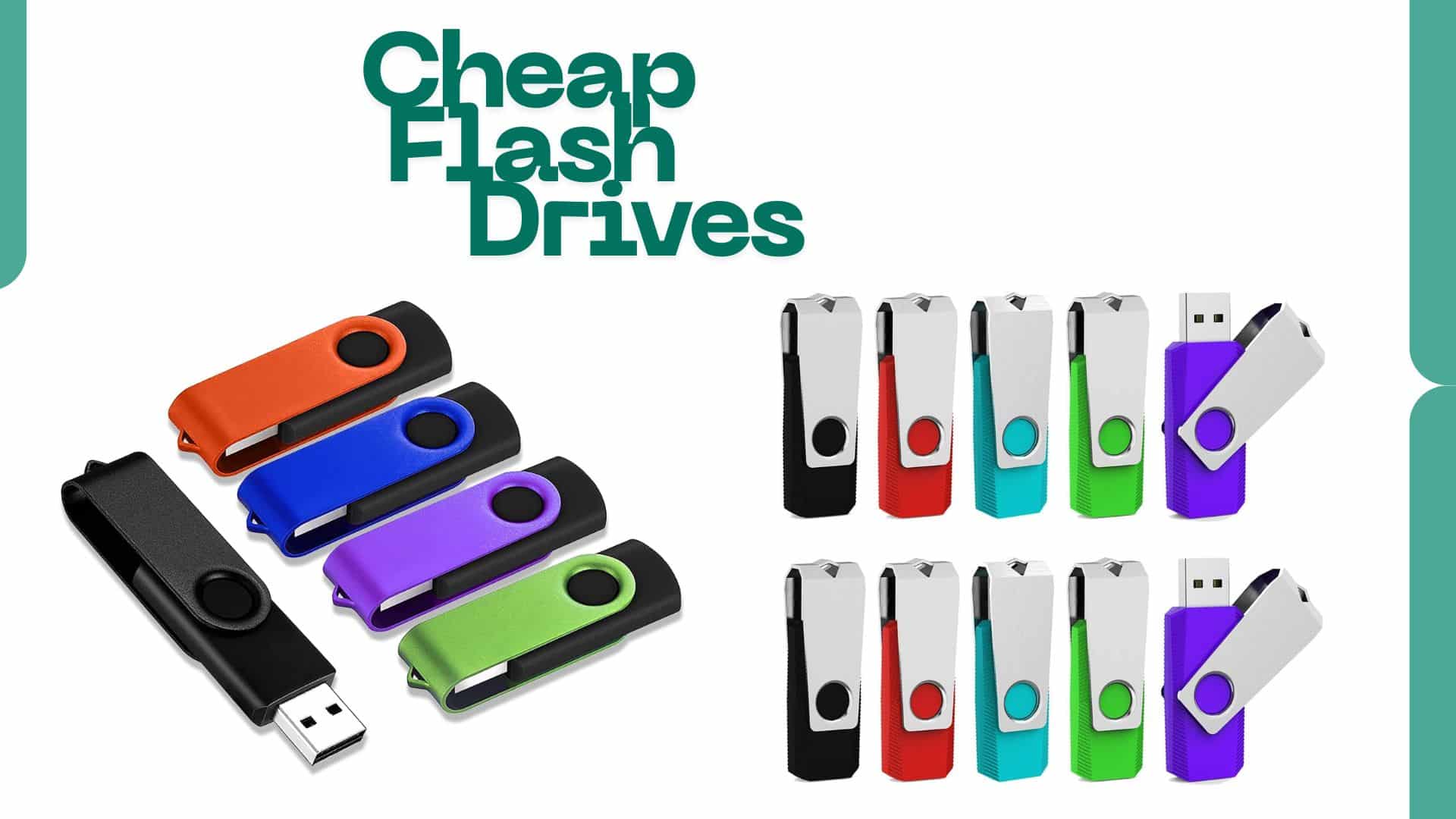
In today’s rapidly evolving digital landscape, storage devices remain a cornerstone for data management across personal and professional sectors. Whether for transferring large media files or securing sensitive business records, the reliance on portable storage is undeniable. While budget constraints often drive procurement officers and individuals toward the lowest thumb drive cost, the decision to prioritize initial savings over long-term value can be detrimental.
Purchasing a cheap flash drive might satisfy immediate budgetary requirements, yet it frequently introduces unforeseen operational risks. As we look toward market dynamics in 2025 and beyond, understanding the disparity between price and performance becomes essential. This analysis explores why a seemingly affordable USB thumb drive can result in significant hidden costs, security vulnerabilities, and brand damage, particularly within wholesale and custom procurement channels.
1. Why the True Price Behind Low Thumb Drive Cost Is Misleading
The allure of a low thumb drive cost is undeniable for businesses managing large-scale technology deployments or marketing campaigns. However, the sticker price rarely reflects the total cost of ownership. The market for flash storage is projected to see increased volatility in 2025, with the cost of high-grade NAND memory fluctuating due to supply chain constraints. To maintain a low price point, manufacturers of a cheap flash drive often resort to using substandard components that fail to meet industry specifications.
1.1 How Substandard Components Affect a Cheap Flash Drive
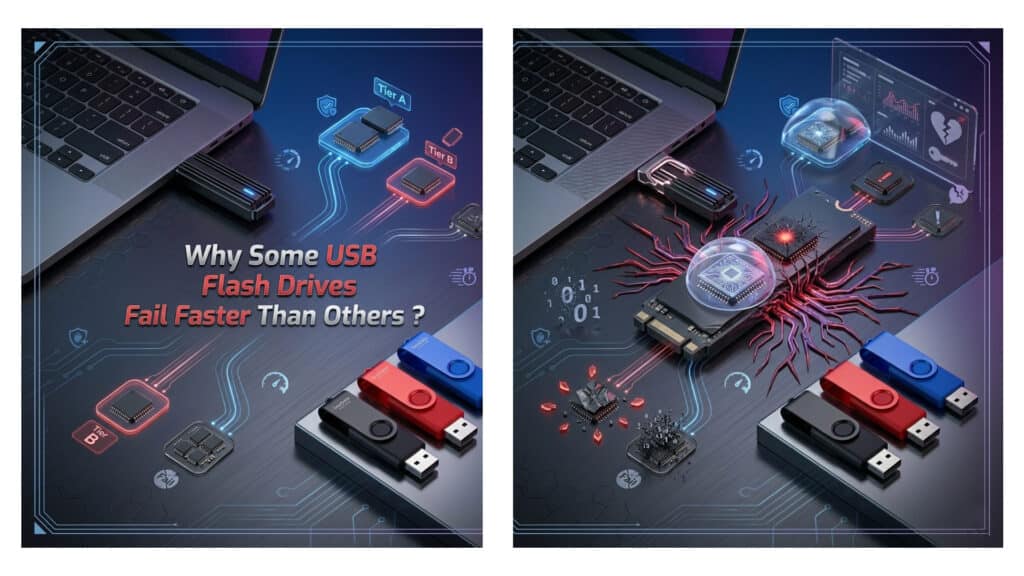
A primary driver of low thumb drive cost is the utilization of Tier-C or recycled NAND flash memory chips. Unlike Tier-A chips used in premium devices, these lower-grade components often suffer from slower data transfer speeds and higher error rates. In a professional setting, where time is a valuable resource, the lag experienced with a cheap flash drive translates directly to lost productivity. Furthermore, these inferior memory cells have a limited tolerance for write and erase cycles. A USB thumb drive built with cheap chips may fail after only a few dozen uses, whereas a high-quality unit can withstand tens of thousands of cycles.
1.2 Why Lifespan Issues Plague a Low-Cost USB Thumb Drive
The operational lifespan of a storage device is critical for data retention. A cheap flash drive typically lacks advanced wear-leveling algorithms, which distribute data evenly across memory cells to prevent premature wear. Without this technology, specific memory cells degrade quickly, leading to corruption or sudden failure. For businesses utilizing an Android USB thumb drive for regular backups, this unreliability poses a severe threat to data integrity. The 2026 market insights suggest that as data volumes grow, the cost of data recovery will skyrocket, making the risk of drive failure an expensive liability.
1.3 Why Compatibility Issues Arise with Budget USB Thumb Drive Models
Modern users require seamless connectivity across a multitude of devices, from laptops to smartphones. However, a budget thumb drive often fails to maintain consistent communication protocols. Issues frequently arise when using an Android USB thumb drive with OTG (On-The-Go) functionality, where low-quality controllers cause the device to disconnect during file transfers. This inconsistency frustrates users and erodes trust in the hardware, rendering the cheap flash drive useless for critical tasks.
2. Why Security Risks in Cheap Flash Drives Are Escalating
As cyber threats become more sophisticated, the role of hardware in cybersecurity is paramount. A cheap flash drive often represents a significant weak point in an organization’s data security strategy. Wholesale buyers purchasing custom drives for employee use must recognize that not all storage devices are created equal regarding security architecture.

2.1 How Encryption Lacking in a Cheap Flash Drive Breaches Data
Premium storage devices often feature hardware-level encryption, which ensures that data remains unreadable without the correct authentication. In contrast, a cheap flash drive rarely includes such robust security features. Relying solely on software encryption is often insufficient for enterprise needs. If a USB thumb drive is lost or stolen without hardware encryption, sensitive data can be easily accessed by unauthorized parties. For B2B clients handling confidential client information or intellectual property, this risk is unacceptable.
2.2 Why Malware and Firmware Threats Target Cheap Thumb Drive Products
A disturbing trend identified in 2025 cybersecurity reports involves the prevalence of firmware-level malware in unbranded storage devices. A cheap flash drive manufactured without strict quality controls may come pre-infected with malware or may be easily modified by malicious actors. These attacks, known as “BadUSB,” can compromise a computer the moment the thumb drive is plugged in. High-quality wholesale manufacturers implement immutable firmware to prevent such tampering, a feature conspicuously absent in low-cost alternatives.
3. Which Custom Design Flash Drives Fail to Meet Brand Standards
For many companies, custom design flash drives serve as powerful marketing tools and corporate gifts. They act as physical ambassadors of the brand. Consequently, the quality of the USB thumb drive reflects directly on the perceived quality of the company itself. Selecting a supplier based solely on the lowest thumb drive cost can backfire spectacularly.
3.1 How Poor Build Quality Damages Brand Reputation
When a company distributes custom design flash drives, the recipient forms an immediate tactile opinion of the brand. If the casing cracks, the connector bends, or the device simply fails to work, that negative experience transfers to the brand. A cheap flash drive made from brittle plastics or weak metals conveys a message of cutting corners. In contrast, a premium USB thumb drive with a solid, ergonomic build reinforces a brand image of reliability and excellence.
3.2 Why Deceptive Capacity Practices Hurt User Trust
A common issue with low-cost wholesale orders is the misrepresentation of storage capacity. Unscrupulous suppliers may hack the controller of a cheap flash drive to display a 64GB capacity when the actual chip is only 16GB or 32GB. This leads to data corruption once the true limit is exceeded. For a business, this means distributing a promotional product that ultimately destroys user data. Ensuring the integrity of the thumb drive is essential for maintaining client trust and avoiding potential legal liabilities.
4. How Hidden Financial Costs Outweigh Thumb Drive Savings
Financial prudence requires looking beyond the invoice price. When calculating the total impact of procurement, the hidden costs associated with a cheap flash drive often eclipse the initial savings. The 2025 financial analysis of IT procurement indicates that “cheap” solutions frequently result in a 300% increase in long-term expenses due to failure and support costs.
4.1 Why Frequent Replacements Increase Total Cost
The shorter lifespan of a cheap flash drive necessitates frequent replacements. While a high-quality USB thumb drive might last five years, a low-quality counterpart may fail within months. For organizations buying in bulk, this creates a cycle of perpetual purchasing. The aggregate cost of buying five cheap drives over five years is significantly higher than purchasing one reliable drive at the outset.
4.2 How Data Recovery and Productivity Losses Add Up
The failure of a thumb drive often results in the loss of critical project files or historical data. Professional data recovery services can cost thousands of dollars, a stark contrast to the marginal savings on the hardware purchase. Additionally, the downtime spent troubleshooting a faulty USB thumb drive or attempting to recreate lost work represents a direct loss in revenue. In a B2B environment, reliability is not a luxury; it is a financial necessity.
5. Why Environmental Costs Define the 2026 Market for a USB Thumb Drive
Sustainability is no longer a niche concern but a central business imperative. The environmental impact of electronic waste is a growing concern for corporations and consumers alike. A cheap flash drive contributes disproportionately to this global issue.
5.1 How E-Waste is Generated by Cheap Thumb Drive Disposal
Because low-quality drives fail more frequently, they end up in landfills much faster than their durable counterparts. These devices often contain hazardous materials such as lead, mercury, and cadmium. By 2026, regulatory bodies are expected to enforce stricter e-waste disposal laws, potentially penalizing companies that utilize non-sustainable tech products. Opting for a high-quality, RoHS-compliant USB thumb drive is a responsible choice that aligns with corporate social responsibility goals.
5.2 Why Energy Efficiency Is Better in Premium Drives
Modern high-end flash drives are designed with energy efficiency in mind, consuming less power during read and write operations. A cheap flash drive often utilizes older, less efficient controller technology that generates more heat and draws more power. For large-scale data centers or organizations with thousands of employees, the cumulative energy savings from using efficient storage devices are significant.
6. How to Select Quality Over a Cheap Flash Drive
Making an informed purchasing decision requires a shift in perspective from price-centric to value-centric. For wholesale and custom buyers, this involves vetting suppliers and understanding technical specifications. The goal is to procure a USB thumb drive that offers reliability, security, and performance.
6.1 Why Vetting Manufacturers for Thumb Drive Quality Is Essential
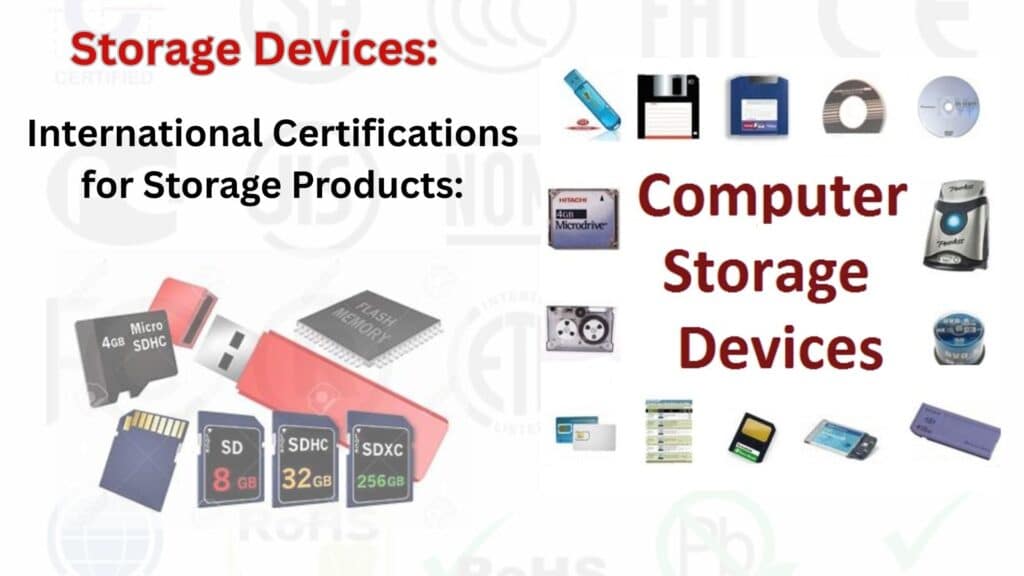
Not all manufacturers adhere to the same quality standards. Reputable suppliers provide certifications, use Tier-A NAND flash, and offer warranties. Buyers should request samples to test the actual performance and build quality of the thumb drive before placing a bulk order. This due diligence ensures that the final product meets the organization’s standards for a professional USB thumb drive.
6.2 Which Features Indicate a Superior USB Thumb Drive
When selecting a drive, look for specific features that signal quality. USB 3.0 or higher interfaces ensure fast data transfer speeds. Metal casings offer better durability and heat dissipation than plastic. Additionally, features such as dual connectors (Type-A and Type-C) enhance versatility, making the thumb drive compatible with a wider range of modern devices, including Android smartphones and laptops. Avoiding a cheap flash drive in favor of one with these specifications ensures a better user experience and longer product life.
Conclusion
The decision to purchase a cheap flash drive is fraught with risks that extend far beyond the initial price tag. From the immediate frustration of slow transfer speeds and connectivity issues to the severe consequences of data breaches and environmental harm, the true cost of low-quality storage is substantial. For businesses, the stakes are even higher. A promotional USB thumb drive that fails damages brand reputation, while unreliable storage in daily operations hampers productivity and endangers data security.
As we move into 2026, the market will continue to demand higher performance, better security, and greater sustainability. A high-quality thumb drive represents an investment in efficiency, security, and brand integrity. By prioritizing quality over a low thumb drive cost, consumers and businesses can ensure they are utilizing tools that enhance their operations rather than hindering them. Whether for personal use, corporate data management, or custom branding, choosing a reliable USB thumb drive is the smartest, most cost-effective strategy in the long run. To explore durable, high-performance custom storage solutions that reflect your brand’s commitment to quality, contact our expert team today for a comprehensive consultation and quote.
Frequrntly Asked Questions
1. Why is opting for a low thumb drive cost risky for business data?
Opting for a low thumb drive cost often necessitates the use of substandard Tier-C or recycled NAND memory chips. These inferior components lack the durability and error correction capabilities of premium chips, leading to frequent data corruption and sudden drive failure. In a business environment, this translates to lost productivity, potential data loss, and the high expense of professional data recovery services, ultimately costing far more than the initial savings.
2. How does a cheap flash drive compromise cybersecurity?
A cheap flash drive typically lacks hardware-level encryption and robust firmware protection, making it highly susceptible to cyberattacks. Many low-cost devices are vulnerable to malware insertion or “BadUSB” firmware attacks, which can automatically infect networks once connected. Without advanced security features, these drives serve as easy entry points for cybercriminals to breach sensitive corporate data.
3. What are the hidden financial costs associated with a budget thumb drive?
Beyond the purchase price, a budget thumb drive incurs hidden costs such as frequent replacements due to short lifespans, expenses related to data recovery, and lost productivity from slow transfer speeds and connectivity issues. Furthermore, security breaches resulting from unsecured drives can lead to regulatory fines and legal fees, significantly impacting the bottom line.
4. Why should businesses avoid cheap custom design flash drives for branding?
Custom design flash drives act as physical representations of a company’s brand. Distributing a cheap flash drive with poor build quality, such as brittle casing or faulty connectors, creates a negative user experience. Clients and associates often associate the quality of the promotional item with the quality of the company, potentially damaging reputation and eroding trust.
5. How do cheap flash drives contribute to environmental problems?
Cheap flash drives contribute significantly to electronic waste (e-waste) because they are manufactured with low-grade materials and fail prematurely. Their short lifespan means they are discarded more frequently, ending up in landfills where hazardous materials like lead and cadmium can leach into the environment. High-quality drives offer better energy efficiency and longevity, aligning with sustainable business practices.
6. Why do budget Android USB thumb drive models often fail connectivity tests?
Budget Android USB thumb drive models often utilize low-quality controllers that cannot maintain stable communication protocols with various operating systems. This results in frequent disconnections during file transfers and compatibility issues with OTG (On-The-Go) functionality. A premium USB thumb drive ensures stable connectivity across smartphones, tablets, and computers.
7. What should wholesale buyers look for to avoid a cheap flash drive?
Wholesale buyers should prioritize suppliers that use Tier-A NAND memory and offer warranties, as these are indicators of confidence in product longevity. It is crucial to vet manufacturers for quality control certifications, request samples to test actual performance versus advertised specs, and ensure the USB thumb drive features immutable firmware to prevent hacking.
8. How does the performance of a cheap flash drive compare to premium options?
A cheap flash drive generally suffers from significantly slower read and write speeds due to outdated controller technology and low-grade memory. In contrast, premium USB thumb drive models, often featuring USB 3.0 or higher interfaces, facilitate rapid data transfer. For professionals handling large files like videos or databases, this speed difference is critical for maintaining workflow efficiency.
9. Can a cheap flash drive have fake storage capacity?
Yes, deceptive capacity practices are common with unscrupulous manufacturers of a cheap flash drive. They may manipulate the drive’s controller to display a capacity of 64GB or 128GB when the actual physical memory is much lower. This leads to data overwriting and corruption once the real limit is reached, causing significant frustration and data loss for the user.
10. Why is investing in a quality USB thumb drive more cost-effective by 2026?
As data security regulations tighten and the volume of digital data grows, the cost of failure increases. Investing in a high-quality USB thumb drive ensures compliance with security standards, reduces the frequency of replacement, and minimizes the risk of data breaches. By 2026, the total cost of ownership for a reliable drive will be significantly lower than the cumulative costs of managing multiple cheap, unreliable alternatives.