
How to Choose the Right USB Storage Device for Business and Personal Use

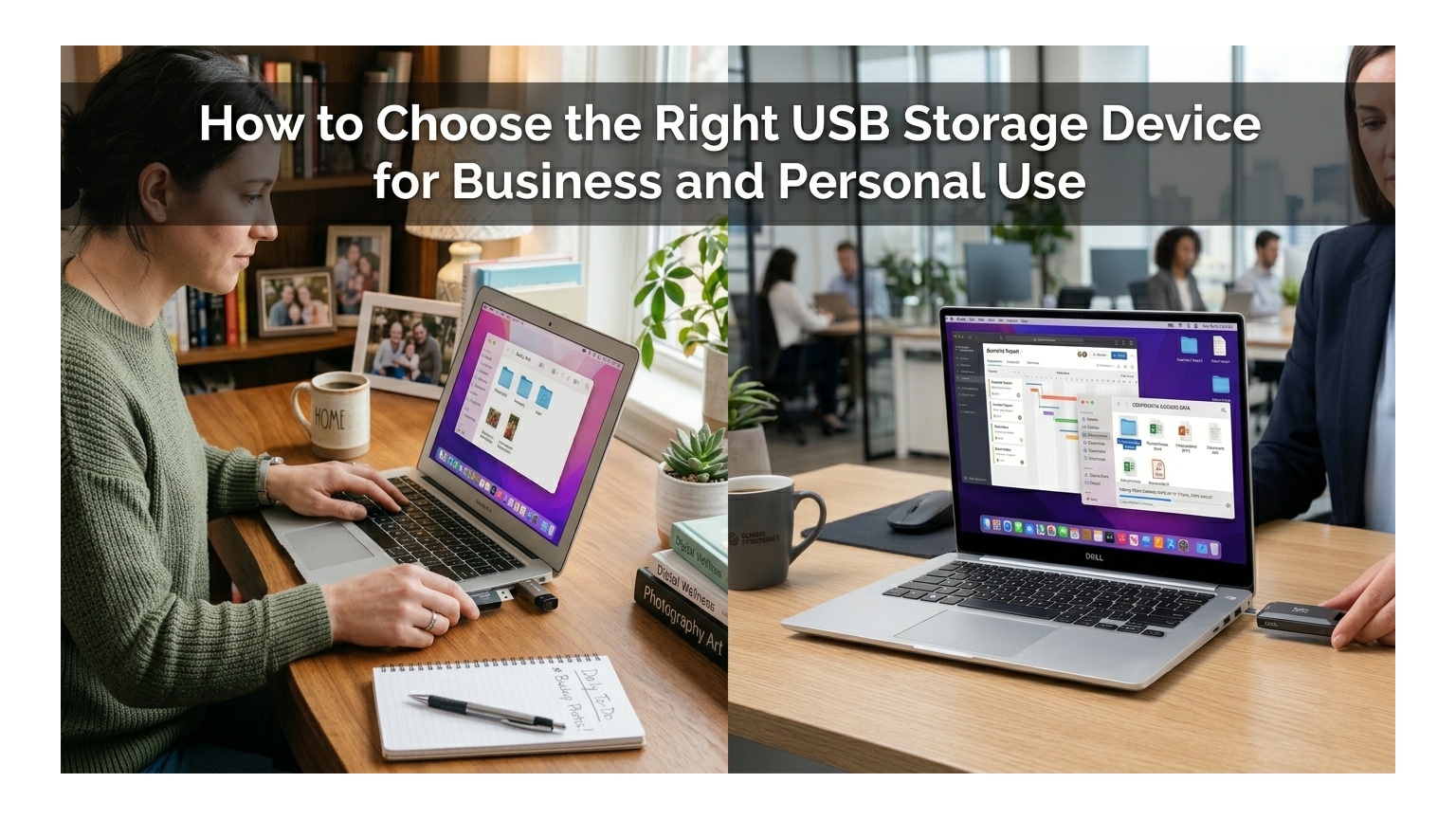
In an era where digital data generation is growing exponentially, the need for reliable physical storage solutions remains surprisingly resilient. While cloud storage offers convenience, the tangible security and speed of a USB storage device make it an indispensable tool for businesses and individuals alike. Whether for massive data transfers, secure archiving, or marketing giveaways, selecting the right drive requires a strategic approach. As we move through 2025 and look toward 2026, the market for data storage is evolving, with a marked shift toward high-capacity, high-speed solutions and branding opportunities.
Industry data indicates that the global USB flash drive market is projected to maintain steady growth, driven by the increasing demand for portable data in sectors like education, media, and corporate IT. For B2B buyers, the criteria have shifted beyond simple storage capacity; factors like data encryption, transfer speeds, and brand visibility now take center stage. Understanding these nuances is critical for making an informed purchase that balances performance with cost-effectiveness.
The decision-making process becomes even more complex when considering the wholesale and customization landscape. Businesses are no longer just buying storage; they are investing in branded USB sticks that serve as powerful marketing assets. This guide explores the essential considerations for selecting the perfect storage solution, ensuring that whether for internal use or client distribution, the investment yields maximum returns in utility and brand exposure.
Ultimately, the right USB storage device acts as a bridge between data accessibility and security. By examining the “why,” “how,” and “which” aspects of selection, buyers can navigate the technical specifications and customization options available in the market. This comprehensive analysis ensures that every purchase decision is backed by practical insights and forward-looking industry trends.
1. Why Choosing the Right USB Storage Device Matters for Modern Business Operations
The strategic importance of selecting a high-quality USB storage device cannot be overstated in today’s fast-paced business environment. Data is the lifeblood of modern enterprises, and the medium used to transport and store that data directly impacts operational efficiency. A substandard drive can lead to data corruption, slow transfer speeds, and security vulnerabilities, all of which can incur significant costs in terms of time and reputation. For businesses handling sensitive client information or large media files, reliability is not merely a preference but a necessity.
Furthermore, the physical durability of these devices plays a crucial role in their longevity and reliability. Industrial-grade branded USB sticks are designed to withstand harsh conditions, including shocks, water exposure, and extreme temperatures, which consumer-grade drives often cannot endure. When procuring these devices on a wholesale level, businesses must prioritize build quality to reduce the frequency of replacement and ensure that data remains safe during transit. This focus on durability safeguards intellectual property and maintains business continuity under various operational challenges.
From a branding perspective, the quality of the storage device reflects the quality of the company distributing it. When a business hands out a USB flash drive to a client or partner, it serves as a tangible representation of their brand image. A sleek, well-functioning device suggests professionalism and attention to detail, whereas a cheap, malfunctioning drive can have a detrimental effect on business relationships. Therefore, the selection process is inextricably linked to brand identity and the desire to project a premium, reliable image in the marketplace.
Additionally, the integration of advanced security features in modern storage devices addresses the growing threat of data theft and cyber-attacks. With 2025 seeing a rise in remote work, the risk of data loss through portable media has prompted manufacturers to include hardware encryption and biometric locks in premium models. Businesses must assess their risk profiles and choose devices that offer compliant security features to protect sensitive corporate data. This proactive approach to data security is essential for maintaining trust and adhering to increasingly stringent global data protection regulations.
1.1. Why Data Transfer Speeds Define Professional Efficiency
In the professional realm, time is a currency, and data transfer speeds dictate how efficiently that currency is spent. Traditional USB 2.0 drives are rapidly becoming obsolete, with USB 3.0, 3.1, and 3.2 becoming the standard for business operations. High-speed interfaces significantly reduce the time required to back up large databases or transfer 4K video files, enabling teams to maintain productivity without being tethered to lengthy data transfer processes. For media companies and design firms, these speeds are not just conveniences but critical requirements that define workflow capabilities.
The distinction between read and write speeds is also a vital factor in the selection equation. While many drives advertise high read speeds, the write speeds are often slower, which can bottleneck operations when saving large files. When ordering branded USB sticks for wholesale distribution, savvy buyers verify that the drives offer balanced read/write performance to ensure a seamless user experience. This technical diligence prevents frustration among end-users and ensures that the promotional product is genuinely useful rather than being discarded due to poor performance.
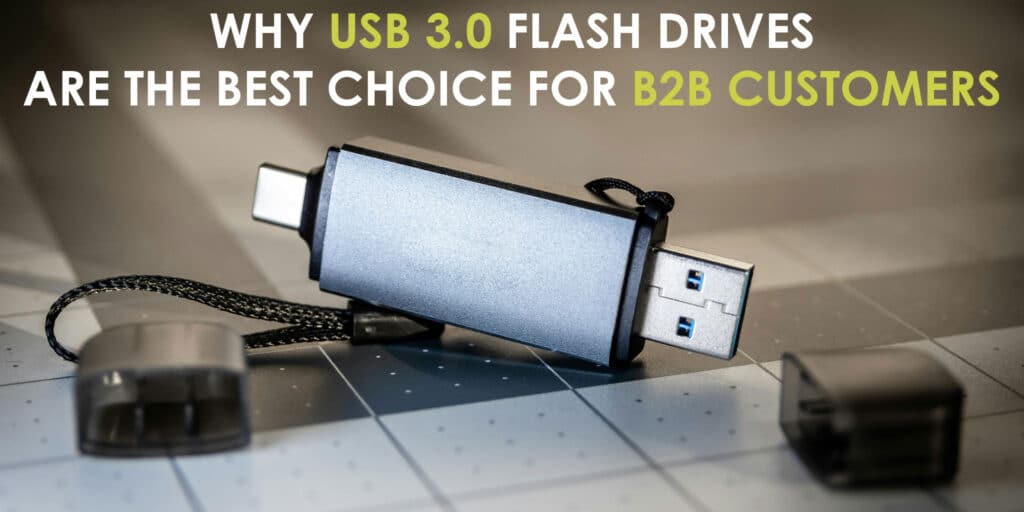
Moreover, the emergence of USB Type-C connectors marks a significant shift in the industry, offering faster data rates and a reversible design that aligns with modern hardware. As more laptops and mobile devices adopt the USB-C standard, businesses must future-proof their USB storage device inventory by including dual-interface drives (USB-A and USB-C). This adaptability ensures that the storage devices remain compatible with the latest technology trends, extending their useful life and enhancing their value as promotional items or employee tools.
Market projections for 2026 suggest that data transfer demands will double as file sizes continue to grow with the proliferation of high-definition content. Consequently, investing in high-speed flash memory now is a forward-thinking strategy that delays obsolescence. Businesses that equip their workforce with high-speed drives facilitate a smoother workflow, allowing for rapid data access and sharing which are critical components of agile business practices in a competitive landscape.
1.2. Why Durability and Reliability Are Non-Negotiable for Wholesale Buyers
Durability is a primary concern for wholesale buyers who distribute thousands of units annually, as product failure can lead to significant financial loss and reputational damage. A robust USB storage device must be constructed using high-quality components, such as OEM-grade NAND flash memory, rather than cheaper, recycled chips that often fail under stress. For businesses, the cost per unit is important, but the total cost of ownership, which includes replacement and support, must be the guiding metric when selecting products for bulk purchase.
The physical housing of the branded USB sticks also contributes significantly to their lifespan. Premium options often feature metal casings or reinforced plastics that resist impact and wear, whereas budget models may crack or break easily. In a corporate environment where drives are frequently carried in pockets, bags, or attached to keychains, the physical integrity of the device is tested daily. Selecting ruggedized models ensures that the data remains protected regardless of the physical mishaps that inevitably occur during daily use.
Water and dust resistance ratings, such as IP67 or IP68, are becoming increasingly important for businesses operating in industries like construction, field services, or logistics. These ruggedized USB flash drive units ensure that critical data is not lost even in adverse environmental conditions. For wholesale buyers focusing on customization, offering ruggedized variants can be a strong selling point, distinguishing their brand from competitors who only supply standard, fragile plastic drives. This focus on resilience demonstrates an understanding of the harsh realities of practical usage.
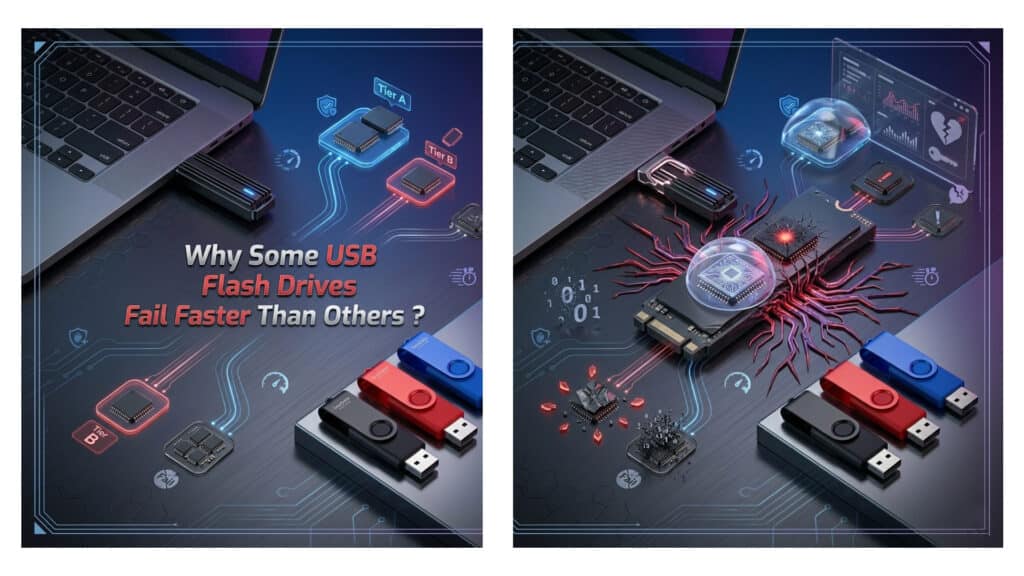
Furthermore, the internal controller technology within the drive dictates its reliability over time. High-quality controllers manage data more efficiently, reducing the likelihood of corruption and extending the lifespan of the memory cells. When procuring devices for 2025 and beyond, buyers should look for suppliers that guarantee the use of Tier 1 flash memory and reliable controllers. This commitment to quality ensures that the storage devices function reliably over thousands of read/write cycles, providing long-term value to the end-user.
1.3. Why Branding Potential Drives the Value of Custom USB Drives
The power of branding transforms a simple utility item into a potent marketing tool. Branded USB sticks serve as a persistent physical reminder of a company’s brand identity, residing on a client’s desk or in their pocket long after a digital ad has disappeared. The physical surface area of a drive offers a unique canvas for logos, slogans, and contact information, enabling repeated brand exposure with every use. For B2B marketers, this creates a tangible touchpoint that reinforces brand recall and loyalty in a way that digital marketing often struggles to achieve.
Customization options have evolved significantly, moving beyond simple pad printing to include laser engraving, doming, and full-color photo printing. Laser engraving, in particular, offers a premium, permanent finish that won’t rub off over time, ensuring the brand remains visible for the life of the USB storage device. These advanced customization techniques allow businesses to align the look and feel of the drive with their corporate guidelines, creating a cohesive brand experience that resonates with clients and partners during trade shows, conferences, and corporate events.
The shape and form factor of the drive also play a role in branding effectiveness. Unique shapes, such as credit card USBs, wooden USBs, or custom-molded designs that mimic a company’s product, can create a memorable unboxing experience. When selecting branded USB sticks for wholesale, businesses have the opportunity to choose designs that spark conversation and stand out from the generic competition. This creative differentiation is crucial for cutting through the noise at marketing events, ensuring the brand leaves a lasting impression.
Market analysis for 2025 indicates a growing trend toward sustainable and eco-friendly promotional products, which significantly impacts branding strategies. USB flash drive models made from bamboo, recycled plastics, or cork allow companies to project an environmentally conscious image. By aligning the physical giveaway with corporate social responsibility (CSR) goals, businesses can strengthen their brand equity and appeal to a demographic that values sustainability. This strategic alignment between product material and brand message is a key driver of marketing success in the current economic climate.
2. How to Evaluate Technical Specifications for Business Needs
Evaluating the technical specifications of a USB storage device requires a clear understanding of the intended use case. For general document storage, lower-capacity drives may suffice, but for modern applications involving high-definition media and software distribution, larger capacities are essential. Businesses must perform a thorough audit of their typical file sizes and usage patterns to determine the optimal storage capacity that prevents future bottlenecks without paying for unnecessary space. This strategic planning ensures that the selected drives meet both current and projected data needs.
The interface standard—USB 2.0, 3.0, 3.1, 3.2, or the latest USB4—is another critical technical determinant. While legacy USB 2.0 offers compatibility, its transfer speeds of roughly 480 Mbps are painfully slow for large files. In contrast, USB 3.2 Gen 2 can reach speeds up to 10 Gbps, drastically reducing wait times. When purchasing branded USB sticks for business use, prioritizing USB 3.0 or higher is a strategic move that ensures the devices remain compatible with modern fast-paced workflows and do not become obsolete within a short period.
Memory type, specifically the difference between Single-Level Cell (SLC), Multi-Level Cell (MLC), Triple-Level Cell (TLC), and Quad-Level Cell (QLC) NAND flash, influences performance and longevity. While SLC and MLC offer superior durability and speed, they are more expensive. TLC and QLC are common in consumer-grade USB flash drive products and offer higher capacities at lower costs but with reduced endurance. For businesses using drives for daily write-intensive operations, investing in MLC-based drives can prevent premature failure, whereas for promotional giveaways, high-quality TLC is often the most cost-effective balance.
Furthermore, the integration of additional features such as OTG (On-The-Go) functionality allows USB drives to connect directly to smartphones and tablets, expanding their utility in a mobile-first world. This feature is particularly valuable for sales teams and professionals who need to transfer data quickly without a laptop. As hardware ecosystems become more interconnected, the versatility of the USB storage device becomes a key value proposition, enhancing the productivity of mobile workforces and providing greater flexibility in how data is accessed and shared in the field.
2.1. How Storage Capacity Impacts Long-Term Usability and Costs
Storage capacity is often the most scrutinized specification, yet it is frequently misunderstood in the context of long-term usability. A common pitfall is underestimating future data growth, leading to the procurement of drives that fill up rapidly and require replacement. For businesses archiving projects or distributing software kits, a USB storage device with substantial capacity ensures that the media remains relevant and usable for years. Selecting a higher capacity today acts as a hedge against the exponential growth of file sizes, which is a documented trend in digital content creation.
The cost-per-gigabyte metric has improved significantly over the years, making larger capacities more accessible for wholesale buyers. However, balancing the budget with utility is key; buying excessively large drives for simple text file storage is an inefficient allocation of resources. Conversely, skimping on capacity for multimedia-heavy operations results in operational friction. When ordering branded USB sticks in bulk, companies should offer a tiered range of capacities—such as 16GB, 32GB, 64GB, and 128GB—to cater to different departments or client tiers, optimizing the spend while ensuring everyone has the space they need.
File system formats also influence how capacity is perceived and utilized. Formats like FAT32 have file size limitations (4GB), which can be restrictive for modern video files. NTFS or exFAT formats are preferred for larger files but may have compatibility issues with older operating systems. A professional USB flash drive solution often involves pre-formatting the drives to the most versatile file system for the target audience, ensuring that the advertised capacity is fully usable without technical barriers for the end-user. This attention to detail enhances the user experience and reduces support requests.
Looking ahead to 2026, the standard entry-level capacity for business drives is expected to shift upwards from 16GB to 32GB or 64GB as software and media files become more bloated. Businesses planning long-term inventory or branding campaigns should factor in this progression. By selecting capacities that will be considered standard in the near future, companies ensure their branded USB sticks remain useful tools rather than becoming obsolete trinkets that users discard due to insufficient space, thereby maximizing the return on investment for the marketing spend.
2.2. How Security Features Protect Sensitive Corporate Data
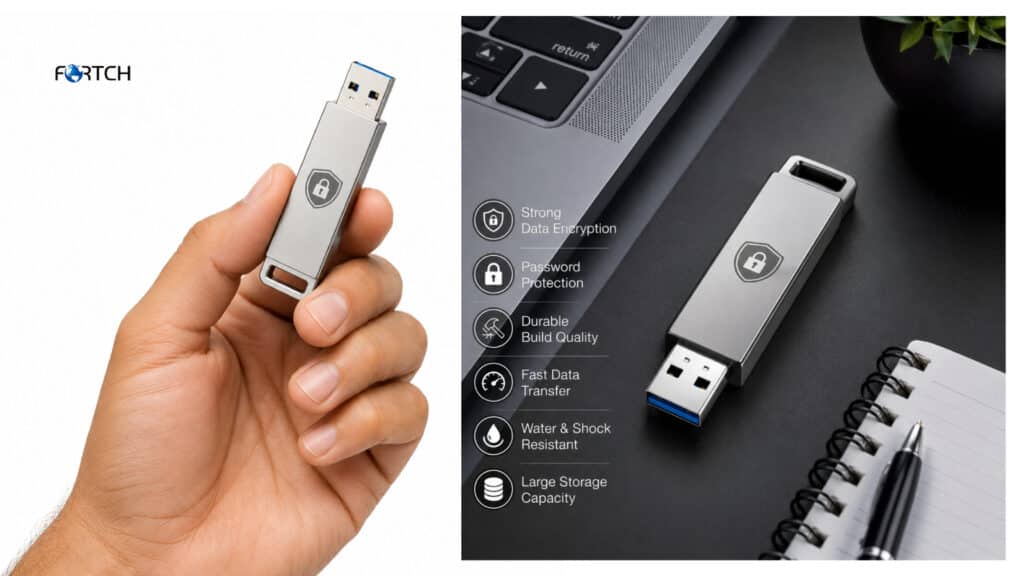
Data security is a paramount concern for any enterprise, and portable storage devices are frequent targets for data breaches. Utilizing a USB storage device without robust security features is a significant liability, potentially leading to the loss of trade secrets or client data. Modern business-grade drives often come equipped with hardware encryption, which secures data independent of the host computer. This layer of security ensures that even if the drive is lost or stolen, the information remains inaccessible to unauthorized parties, preserving corporate integrity.
Password protection is the most basic form of security, but high-end branded USB sticks for corporate use often feature biometric authentication, such as fingerprint scanners. This biometric integration provides a convenient yet highly secure method of access control, eliminating the need for employees to remember complex passwords. As remote work becomes more entrenched in 2025, the ability to secure physical data assets with biometric technology offers peace of mind to IT managers and compliance officers, ensuring that data policies are enforced even outside the corporate firewall.
Another critical security feature is the “read-only” or “lock” function, which prevents data from being modified or deleted. This is particularly useful for companies distributing catalogues, software, or price lists via USB flash drive, as it prevents the inadvertent introduction of malware or the corruption of original files. In wholesale scenarios, businesses can request this feature to be pre-enabled, ensuring that the distributed data remains pristine and tamper-proof throughout its lifecycle, maintaining the integrity of the distributed content.
Furthermore, advanced drives offer remote management capabilities, allowing IT departments to centrally manage and terminate USB drives that have been lost. This “kill switch” functionality is becoming a standard requirement for large enterprises with strict data governance policies. When procuring USB storage device solutions for a large organization, verifying these enterprise management features is crucial. It transforms the passive storage device into an active component of the company’s cybersecurity architecture, mitigating risks associated with human error and device misplacement.
2.3. How Interface Compatibility Ensures Universal Access
Interface compatibility is a critical logistical factor that determines the usability of a USB storage device across different hardware environments. While USB-A has been the standard for decades, the transition to USB-C is now undeniable. Many modern laptops, particularly MacBooks and ultrabooks, have exclusively USB-C ports. For businesses, supplying drives that are incompatible with clients’ or employees’ hardware renders the investment useless. Therefore, selecting the correct interface—or a combination of interfaces—is essential for seamless connectivity.
Dual-drive solutions, featuring both USB-A and USB-C connectors on a single unit, offer the most versatile solution for the transitional period we are currently in. These branded USB sticks ensure that whether a user is on a legacy desktop or a brand-new tablet, the drive functions flawlessly without the need for cumbersome dongles. For wholesale buyers targeting a broad audience, such as at trade shows, dual-interface drives are the strategic choice to maximize accessibility and user satisfaction, ensuring the promotional item is immediately useful to every recipient.
Speed compatibility is another aspect governed by the interface. Plugging a high-speed USB 3.2 drive into a USB 2.0 port will bottleneck the performance to the older standard. Conversely, utilizing a modern interface allows the USB flash drive to reach its full potential. As businesses upgrade their hardware infrastructure in 2025 and 2026, ensuring that the storage peripherals match the internal capabilities of the new computers is vital for realizing productivity gains. Investing in backward-compatible, high-speed interfaces ensures that the drives perform optimally across generations of technology.
The emergence of USB4 and Thunderbolt compatibility in the consumer market signals a future where peripheral speeds will match internal data bus speeds. While currently overkill for standard file transfers, forward-thinking businesses might consider future-proofing their tech inventory. By selecting a USB storage device that adheres to the latest standards, companies ensure that their storage infrastructure remains robust and capable of handling next-generation data demands, such as 8K video editing or large-scale virtual reality datasets, without requiring immediate replacement.
3. Which Customization Options Maximize Brand Visibility and Impact
Selecting the right customization options is the decisive factor in transforming a generic USB storage device into a powerful marketing vehicle. The visual appeal of the drive is the first thing a recipient notices, and it sets the tone for their interaction with the brand. High-quality customization not only displays the logo but also communicates the company’s values, whether that be sleek modernity, rugged durability, or eco-consciousness. For B2B clients, the visual fidelity of the branding on the drive is directly correlated with the perceived value of the gift or the product.
The choice of material for branded USB sticks significantly influences the customization possibilities and the final aesthetic. Metal drives offer a premium feel and allow for durable laser engraving, which creates a sophisticated, permanent mark. Plastic drives offer a wider color palette and are suitable for full-color offset printing, allowing for complex, vibrant designs. Wood and bamboo options provide a distinct organic texture that stands out and can be laser engraved for a natural, eco-friendly look. Each material choice speaks to a different segment of the market and should align with the brand’s identity.
Printing technology is another critical consideration. Pad printing is cost-effective for simple one or two-color logos, while screen printing offers better durability. For complex, photo-quality images, full-color UV printing or doming stickers are the superior choices. When purchasing a USB flash drive for wholesale, it is essential to request proofs of the artwork to ensure that the colors match the brand guidelines accurately. High-resolution printing ensures that the logo remains crisp and professional, avoiding a blurry or cheap appearance that could detract from the brand image.
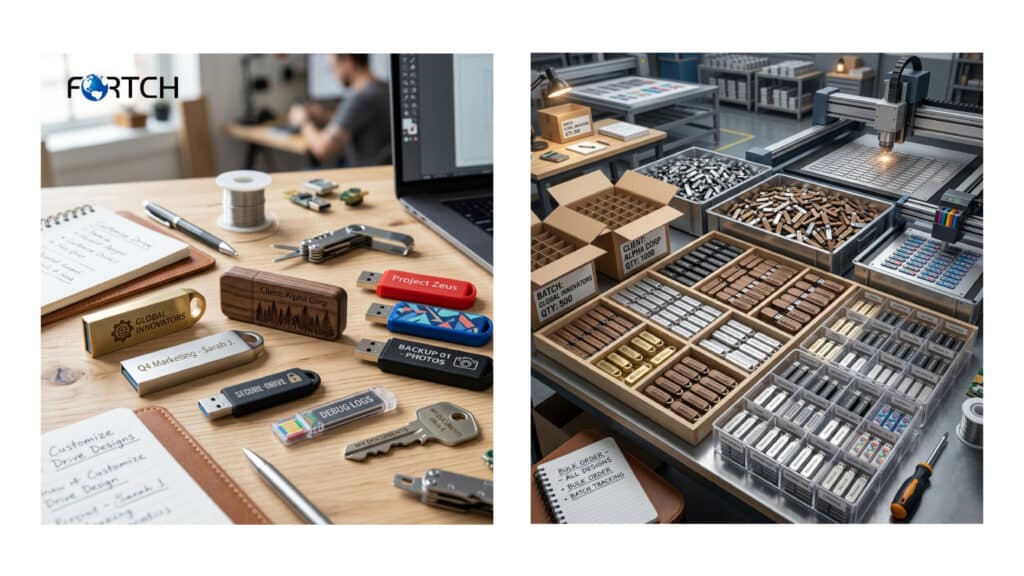
Beyond the drive itself, packaging customization offers an additional canvas for brand messaging. Custom boxes, tin cases, or magnetic closing gift boxes can be printed with marketing messages, contact details, and usage instructions. Premium packaging elevates the unboxing experience, making the receipt of the USB storage device feel like a special event rather than a mundane transaction. For corporate gifts or high-value client retention kits, investing in customized packaging amplifies the perceived value of the drive inside, reinforcing the brand’s commitment to quality and excellence.
3.1. Which Materials and Finishes Best Represent Your Brand Identity
The material of the USB storage device is the foundation of its physical identity and dictates the branding techniques available. Aluminum and metal alloys are popular for corporate sectors because they exude a sense of permanence and high-tech sophistication. These materials are best suited for laser engraving, which etches the logo into the metal, creating a contrast that is both tactile and visual. This finish is resistant to fading and scratching, ensuring that the brand remains visible for the life of the product, making it an ideal choice for long-term employee awards.
For brands with vibrant color palettes or playful identities, high-grade plastics or silicone rubber offer the flexibility needed. These materials can be mold-injected in specific Pantone colors to match the brand exactly, creating a seamless look where the entire drive is the brand color. Branded USB sticks made from these materials can also feature soft-touch finishes or rubberized textures, which improve grip and add a tactile dimension to the user experience. This sensory engagement can create a stronger subconscious connection between the user and the brand.
Eco-friendly materials are gaining immense traction as sustainability becomes a core business value. Drives crafted from recycled plastics, bamboo, or even cork appeal to environmentally conscious demographics. Using these materials for a USB flash drive sends a clear message that the company is committed to reducing its environmental footprint. The natural grain of bamboo or the texture of recycled cardboard provides a unique backdrop for logos, often enhanced by laser engraving to maintain the eco-friendly theme by avoiding chemical inks and dyes.
Special finishes such as glossy, matte, or pearlescent coatings can further refine the product’s appearance. A glossy finish catches the eye and makes colors pop, while a matte finish offers a subdued, professional elegance that resists fingerprints. Some premium drives even feature Swarovski crystals or leather accents for luxury branding campaigns. When selecting materials and finishes for a wholesale order, businesses must consider the tactile experience of the end-user, as the physical sensation of handling a well-crafted USB storage device reinforces the quality of the brand it represents.
3.2. Which Data Services Add Value to Your Custom Drives
Pre-loading data onto branded USB sticks transforms them from simple storage devices into comprehensive information delivery systems. This service, often referred to as data preloading or duplication, allows businesses to include product catalogs, presentations, software installers, or media kits directly on the drive. For conferences and trade shows, this is invaluable as it ensures that every attendee leaves with the exact marketing materials the company intends to distribute, eliminating the need for printed brochures that are often discarded. This digital approach not only saves printing costs but also projects a modern, tech-savvy image.
The level of sophistication in data services can vary from simple file copying to complex autorun menus. An autorun feature, when the drive is inserted into a PC, can launch a professional interface that guides the user through the company’s content. This creates a controlled, interactive experience for the user of the USB flash drive, increasing the likelihood that they will engage with the marketing material. However, with security restrictions in modern operating systems, it is often better to include a prominent “Start Here” HTML file that opens the content in a browser, ensuring compatibility while maintaining a polished presentation.
Data protection and partitioning are also available options for businesses distributing sensitive or proprietary information. A non-erasable partition can be created on the USB storage device that contains the permanent branding or marketing content, while the remaining space is left free for the user’s personal data. This “dual-zone” approach ensures that the marketing message stays with the drive forever, acting as a persistent advertisement, while still providing utility to the user. This balance is key to ensuring the drive is kept and used regularly rather than being wiped and reformatted immediately.
For large-scale distribution, ensuring data integrity is critical. Professional duplication services verify that every single branded USB stick has the exact data copied without corruption. Additionally, services like USB serialization, where each drive is printed with a unique serial number, allow businesses to track inventory and usage. In 2025, integrating QR codes on the drive that link to dynamic cloud content is also a trend, offering the best of both physical storage and up-to-date online information, creating a hybrid marketing tool that bridges the physical and digital worlds.
3.3. Which Packaging Solutions Elevate the Perceived Value of Your Gift
Packaging is often the differentiator that converts a useful utility item into a memorable corporate gift. The adage “first impressions count” holds true for branded USB sticks; the box sets the expectation before the drive is even seen. Simple poly bags might suffice for bulk internal distribution, but for client-facing gifts, custom packaging is essential. A well-designed package protects the drive during shipping and provides a premium unboxing experience that enhances the recipient’s perception of the brand’s value and attention to detail.
Custom magnet closing boxes, for instance, offer a sleek, high-end feel that is perfect for executive gifting. These boxes can be wrapped in textured paper, foil stamped, or embossed with the company logo, creating a multi-sensory experience. When the recipient receives a USB storage device in such packaging, it signals that the item inside is of high worth. This psychological impact is crucial for B2B relationships, where the quality of corporate gifts often reflects the quality of service the client expects to receive. Premium packaging turns a commodity into a cherished item.
For environmentally conscious brands, packaging solutions made from recycled kraft paper or bamboo align with the sustainable nature of the drive inside. These eco-friendly packaging options can be customized with soy-based inks, maintaining a consistent green message throughout the product lifecycle. As sustainability becomes a key decision-making factor in 2026, offering branded USB sticks in fully biodegradable or recyclable packaging can significantly boost a brand’s reputation among environmentally aware clients, demonstrating a commitment to corporate social responsibility that goes beyond the product itself.
Furthermore, packaging can serve a functional purpose by including user manuals, warranty cards, or lanyards. Window boxes allow the drive to be partially visible, combining the appeal of the product with the branding of the box. For wholesale orders, discussing custom packaging options with the supplier is vital. The right packaging solution not only protects the USB flash drive but also amplifies the marketing message, ensuring that the brand makes a lasting impact from the moment the gift is received. It completes the narrative of the product, reinforcing brand identity and professional excellence.
4. How to Source Wholesale USB Devices for Maximum Cost Efficiency
Sourcing USB storage device units on a wholesale basis requires a strategic approach to balance cost, quality, and delivery times. The primary goal is to achieve economies of scale without compromising on the performance or reliability of the drives. By establishing a direct relationship with manufacturers or specialized wholesalers, businesses can bypass middlemen and reduce the unit cost significantly. This direct procurement model allows for better control over the supply chain and ensures that the specific requirements for customization and technical specifications are met with precision.
Understanding the pricing structure is crucial for maximizing cost efficiency. The price of a USB flash drive is heavily influenced by the NAND flash market, which is subject to global supply and demand fluctuations. Locking in prices when the market is low or establishing long-term contracts with suppliers can protect businesses from sudden price hikes. Additionally, optimizing the order by standardizing on a few select models rather than fragmenting orders across too many different types can result in better volume discounts and lower overall administrative costs.
Minimum Order Quantities (MOQs) are a standard feature of wholesale sourcing that buyers must navigate. While higher MOQs generally yield lower per-unit costs, they also require higher upfront capital expenditure and storage space. Businesses must calculate the break-even point where the savings from bulk purchasing outweigh the costs of holding inventory. For promotional campaigns, ordering a slightly higher quantity of a timeless design for branded USB sticks can be more economical than frequent smaller orders, especially if the design is generic enough to be used across multiple events or years without appearing dated.
Quality control (QC) is another pillar of cost efficiency. Cutting corners on quality to save a few cents per unit often leads to higher returns, damaged reputation, and logistical headaches. Establishing strict QC protocols with the supplier, such as random sampling of orders to check for print quality and drive functionality, ensures that the bulk of the shipment meets the required standards. A reliable USB storage device supplier will offer warranties and be willing to replace defective units, thereby mitigating the financial risk of a faulty batch and protecting the business’s bottom line.
4.1. How to Verify Supplier Authenticity and Product Quality
Verifying the authenticity of a supplier is the first and most critical step in the wholesale procurement process. The market for USB storage device units is crowded with vendors ranging from reputable manufacturers to suppliers selling counterfeit or low-quality drives. Businesses should request certifications such as ISO 9001 for quality management or CE/FCC compliance for electronic safety. These certifications indicate that the supplier adheres to international standards, reducing the risk of receiving substandard products that could damage the company’s reputation.
Product quality verification goes beyond checking certifications; it involves rigorous testing of the actual flash memory. Unscrupulous suppliers sometimes advertise drives with higher capacities than they actually possess, a practice known as “capacity hacking.” To avoid this, businesses should insist on using H2testw or similar software verification tools on sample units before placing a bulk order for branded USB sticks. This software writes data to the drive and reads it back to verify the actual capacity and check for bad sectors, ensuring that the product delivered matches the specifications promised.
Visiting the factory or requesting a live video tour of the production facility can provide valuable insights into the supplier’s capabilities and working conditions. Seeing the assembly lines, printing setups, and QC stations in person builds trust and allows the buyer to assess the supplier’s scalability. For high-stakes orders of USB flash drive products, this due diligence is invaluable. It confirms that the supplier has the infrastructure to fulfill the order on time and to the required quality standards, providing peace of mind that the investment is secure.
Client references and case studies are also powerful tools for verification. Speaking with other businesses that have sourced USB storage device units from the supplier can reveal information about their reliability, communication style, and how they handle issues like returns or delays. A supplier with a track record of successful partnerships with recognizable brands is likely to be a safer bet. This background research acts as a filter, helping businesses avoid suppliers with a history of poor performance and ensuring a smooth procurement process.
4.2. How to Navigate Minimum Order Quantities and Bulk Discounts
Navigating Minimum Order Quantities (MOQs) is a strategic exercise in inventory management. For startups or small businesses planning to order branded USB sticks, high MOQs can be a barrier to entry. However, many suppliers are willing to negotiate lower MOQs for the first order, with the understanding that future orders will be larger. Alternatively, businesses can collaborate with partners or other departments to pool their requirements and meet the MOQ, thereby accessing wholesale pricing without overstocking a single department.
Bulk discounts are structured in tiers, and understanding these tiers allows businesses to optimize their spending. For example, the price difference between ordering 500 and 1,000 units of a USB storage device might be marginal, but the per-unit saving could be significant enough to justify the extra investment. Companies should analyze their historical usage and future event calendars to forecast their needs accurately. If the forecast shows that the extra units will be used within a reasonable timeframe, jumping to the next pricing tier is a financially sound decision that lowers the cost per unit.
Another strategy is to limit customization complexity to maintain lower MOQs. Highly complex custom moldings or intricate multi-color print jobs often carry higher MOQs due to the setup costs involved. By opting for standard shapes with high-quality laser engraving or simple print designs, businesses can often negotiate lower MOQs. This approach allows companies to benefit from the premium feel of branded USB sticks without the need to commit to massive quantities, making it ideal for niche marketing campaigns or limited edition product launches.
Timing the order to coincide with the supplier’s production schedule can also yield financial benefits. Ordering during off-peak periods or aligning with the supplier’s material procurement cycles can sometimes unlock additional discounts. Furthermore, consolidating orders for multiple items—such as ordering power banks or cables alongside the USB flash drive—can increase the total order value and provide leverage for negotiating better overall pricing or free shipping, further enhancing the cost efficiency of the procurement process.
4.3. How to Plan for Supply Chain Stability in 2025 and 2026
Supply chain stability has become a top priority for businesses worldwide, and the electronics sector is particularly sensitive to disruptions. As we look toward 2025 and 2026, geopolitical tensions and raw material shortages continue to pose risks. To mitigate these risks, businesses sourcing USB storage device units should diversify their supplier base. Relying on a single source creates a single point of failure; having a backup supplier in a different geographic region can provide a safety net in case of shipping delays or export restrictions.
Forecasting demand accurately is essential for maintaining a steady supply without overstocking. The market for NAND flash memory is cyclical, with prices fluctuating based on global supply. By monitoring these market trends, businesses can time their purchases of branded USB sticks to buy when prices are low, effectively building a buffer stock. This “buy low, store high” strategy requires warehousing capacity but can result in substantial savings compared to buying at spot prices during a shortage. Strategic stockpiling ensures that marketing campaigns are never derailed by lack of inventory.
Investing in supply chain visibility tools can also enhance stability. Working with suppliers who provide real-time tracking of production and shipment status allows businesses to anticipate delays and adjust their plans accordingly. For time-sensitive promotions involving a USB flash drive, knowing the exact status of the order is critical for coordinating launches and events. Clear communication channels with the supplier, supported by regular updates, ensure that any potential bottlenecks are identified and resolved before they impact the final delivery date.
Finally, considering near-shoring or on-shoring options can reduce the reliance on long-distance shipping routes, which are prone to delays. While manufacturing in regions with lower labor costs has been the norm, the total cost of ownership, including shipping delays and tariff risks, is prompting a re-evaluation. Sourcing USB storage device units from suppliers closer to the home market might incur a higher unit cost but offers greater reliability and faster turnaround times. In a fast-paced business environment, the reliability of supply often outweighs the marginal increase in unit cost, ensuring business continuity and customer satisfaction.
Conclusion
Selecting the ideal USB storage device for business and personal use is a multifaceted decision that extends far beyond simple data storage. It involves a careful analysis of technical specifications, security requirements, and branding potential. As demonstrated, the market for these devices is evolving rapidly, with 2025 and 2026 poised to bring advancements in speed, capacity, and sustainability. For businesses, the right branded USB sticks serve a dual purpose: they are efficient tools for data management and powerful vehicles for brand marketing.
By focusing on durability, transfer speeds, and interface compatibility, users can ensure that their chosen devices remain reliable assets in a data-driven world. Simultaneously, leveraging customization options such as laser engraving, data preloading, and premium packaging transforms these drives into memorable marketing assets. The emphasis on wholesale and customization strategies highlights the importance of viewing these purchases as long-term investments rather than mere expenses.
Ultimately, the success of integrating USB drives into a business strategy lies in sourcing high-quality products from reputable suppliers. Navigating MOQs, understanding market trends, and ensuring supply chain stability are all critical components of a smart procurement strategy. By adhering to the insights and guidelines outlined in this guide, businesses and individuals can make informed decisions that maximize value, enhance brand visibility, and ensure data security in an increasingly complex digital landscape.
Frequently Asked Questions
1. Why should I choose a USB 3.0 or higher storage device over USB 2.0 for business use?
USB 3.0 and higher interfaces offer significantly faster data transfer speeds compared to USB 2.0. For businesses handling large files such as high-definition videos, databases, or complex graphic designs, the speed of a USB storage device directly impacts workflow efficiency. While USB 2.0 has a transfer rate of about 480 Mbps, USB 3.0 starts at 5 Gbps, reducing wait times and boosting productivity. As hardware standards evolve, choosing higher speeds ensures your devices remain compatible with modern technology.
2. What are the benefits of ordering branded USB sticks for corporate marketing?
Branded USB sticks serve as powerful, long-lasting marketing tools that keep your company logo and message in the hands of clients and prospects. Unlike digital ads that can be ignored or forgotten, a physical drive is a functional item used repeatedly, providing repeated brand exposure. By customizing the drive with your logo and pre-loading it with digital brochures or presentations, you create a multi-purpose promotional gift that enhances brand recall and projects a professional image.
3. How does storage capacity affect the usability of a USB flash drive?
The capacity of a USB flash drive dictates how much data it can hold, which directly influences its lifespan and utility. As file sizes for software and media continue to grow, choosing a drive with too little storage can render it obsolete quickly. For business use, it is recommended to choose capacities ranging from 32GB to 128GB to ensure the drive remains useful for archiving projects or distributing large media kits, preventing the need for frequent replacements.
4. Which security features should I look for in a business USB storage device?
For businesses handling sensitive information, security is paramount. Look for a USB storage device that offers hardware encryption, which secures data more effectively than software encryption. Advanced features like biometric fingerprint authentication or password protection add essential layers of security. Additionally, some enterprise drives offer “read-only” partitions to prevent data modification and remote management capabilities to wipe data from lost drives, ensuring compliance with data protection regulations.
5. Why are dual-interface (USB-A and USB-C) drives important for 2025 and beyond?
With the tech industry rapidly transitioning to USB-C, many modern laptops and mobile devices no longer feature traditional USB-A ports. A dual-interface USB storage device ensures universal compatibility, allowing users to connect the drive to both legacy desktops and the latest ultrabooks or smartphones without needing adapters. For businesses distributing drives at events, providing dual-interface options guarantees that every recipient can use the drive immediately, regardless of their device.
6. What customization options are available for wholesale USB flash drives?
Wholesale buyers have a wide array of customization options to align the drives with their brand identity. These include laser engraving for a permanent, premium finish on metal drives, and full-color UV printing for vibrant, complex logos on plastic or wooden models. You can also choose custom shapes, such as credit card styles or models made from eco-friendly materials like bamboo. Custom packaging adds another layer of branding, turning the branded USB sticks into a complete gifting experience.
7. How can I ensure I am buying high-quality USB storage devices in bulk?
To ensure quality when buying wholesale, verify that the supplier uses Tier 1 (Grade A) NAND flash memory rather than recycled or downgraded chips. Request samples to test the actual read/write speeds and use software tools like H2testw to verify the true storage capacity. Reputable suppliers should also provide certifications such as CE, FCC, or RoHS. Establishing strict quality control protocols with your supplier helps prevent the pitfalls of “fake” capacity drives that often plague the lower end of the market.
8. What is the advantage of pre-loading data onto branded USB sticks?
Pre-loading data transforms branded USB sticks into comprehensive information delivery systems. This service allows you to include product catalogs, sales presentations, or software installers directly on the drive, ensuring your clients receive the exact materials you intend. It eliminates the cost and waste of printed brochures. For added value, you can create a “non-erasable” partition for your marketing content, ensuring your brand message stays with the user permanently while leaving the rest of the drive free for their use.
9. How do I navigate Minimum Order Quantities (MOQs) when purchasing wholesale?
MOQs are set by suppliers to cover the costs of setting up production lines and printing plates. To navigate this, businesses can often negotiate lower MOQs for the first order or consolidate orders across different departments to meet the quantity threshold. If the MOQ for branded USB sticks is higher than your immediate need, consider ordering a generic, timeless design that can be used for multiple events or stored for future use, allowing you to access volume pricing without over-committing to a specific campaign design.
10. How are sustainability trends influencing USB flash drive manufacturing in 2026?
Sustainability is becoming a key focus, with a growing demand for eco-friendly promotional products. In 2026, the market is seeing a significant rise in USB flash drive models made from recycled plastics, bamboo, and cork. These materials allow businesses to align their corporate gifts with their environmental values (CSR). Offering sustainable drives not only appeals to eco-conscious clients but also enhances brand reputation, making it a strategic choice for companies looking to demonstrate their commitment to reducing their environmental footprint.